
Gorongosa National Park: the Conservation Story

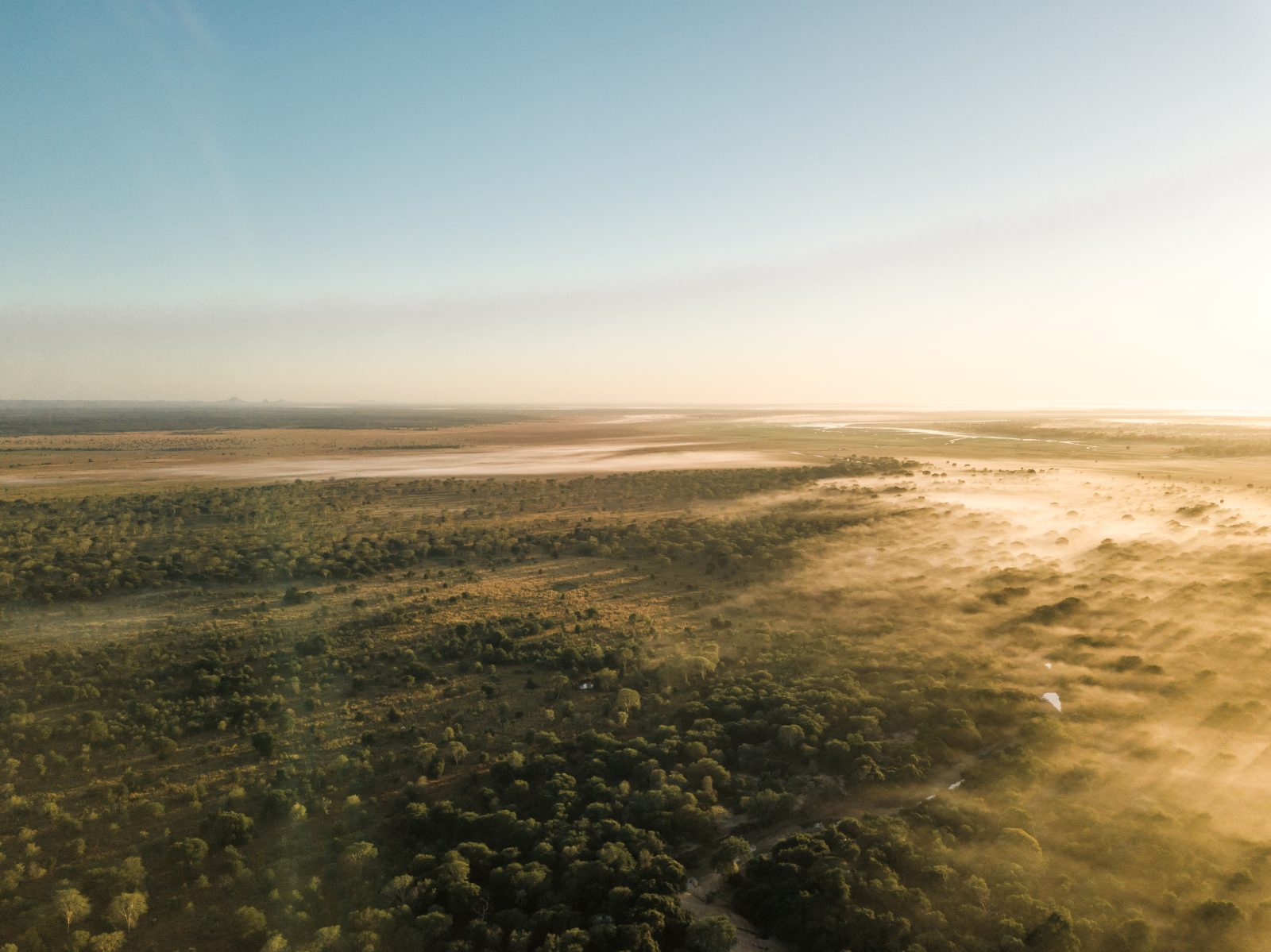
I’ve been daydreaming about Gorongosa National Park for the best part of fifteen years. It started with a news clip — footage of the restoration project in its early stages, the park emerging slowly from decades of civil war and near-total wildlife loss. Something in it stopped me. Not the tragedy of what had happened, though that was stark enough. It was the logic of what came next.
To restore a broken ecosystem, you can’t simply leave it and hope. You have to reintroduce the correct building blocks. In Gorongosa’s case, that meant mega-herbivores first — elephants, grazers, browsers. Watching archive footage of elephants moving back into overgrown bush, pulling it back, opening it up, engineering the landscape just by being present — that was the moment I understood what people mean when they talk about a keystone species. These animals aren’t just inhabitants of an ecosystem. They are the ecosystem. Remove them and everything collapses. Return them and everything, given time, follows.
Gorongosa is still on my list. But I’ve been following its story long enough to know why it belongs at the centre of what Wild Paths does.
What was lost
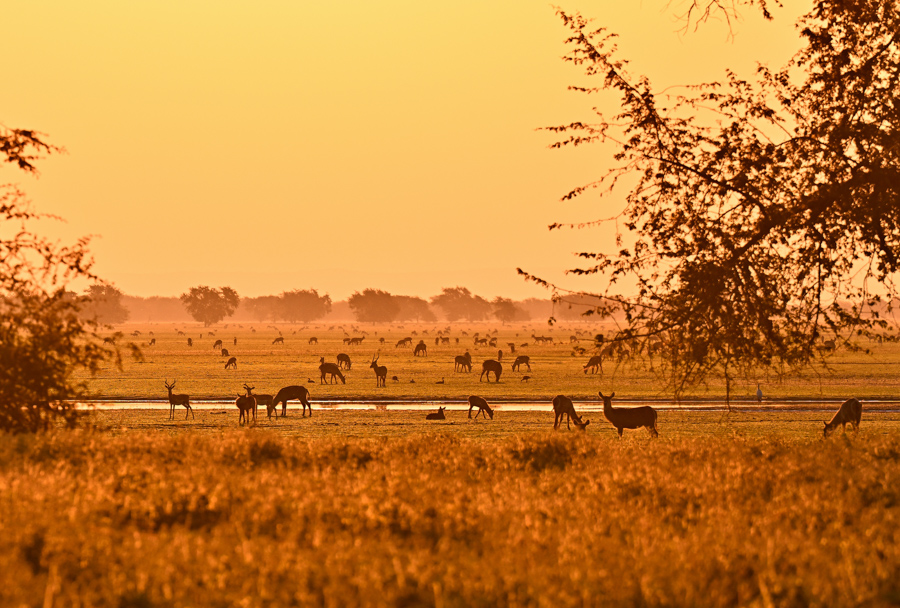
At its peak in the 1970s, Gorongosa drew 20,000 visitors a year. It held 14,000 buffalo, over 3,000 hippo, 200 lion. Then Mozambique’s civil war consumed it. The park became a battleground, its wildlife a food source for armed forces on both sides. By 1992, an estimated 90 per cent of animals were gone. A place that could have been the Serengeti of the south — effectively erased.
The parties signed the peace accord that ended the war at Gorongosa. There’s something significant in that — the park as both wound and beginning.
What came back
When American philanthropist Greg Carr visited in 2004, burned-out vehicles lay in grass higher than his head. He recognised something most people wouldn’t have — that the ecosystem itself was intact. Rivers still flowed. The floodplains, the forests, the mountain were all there. The park was simply missing its wildlife.
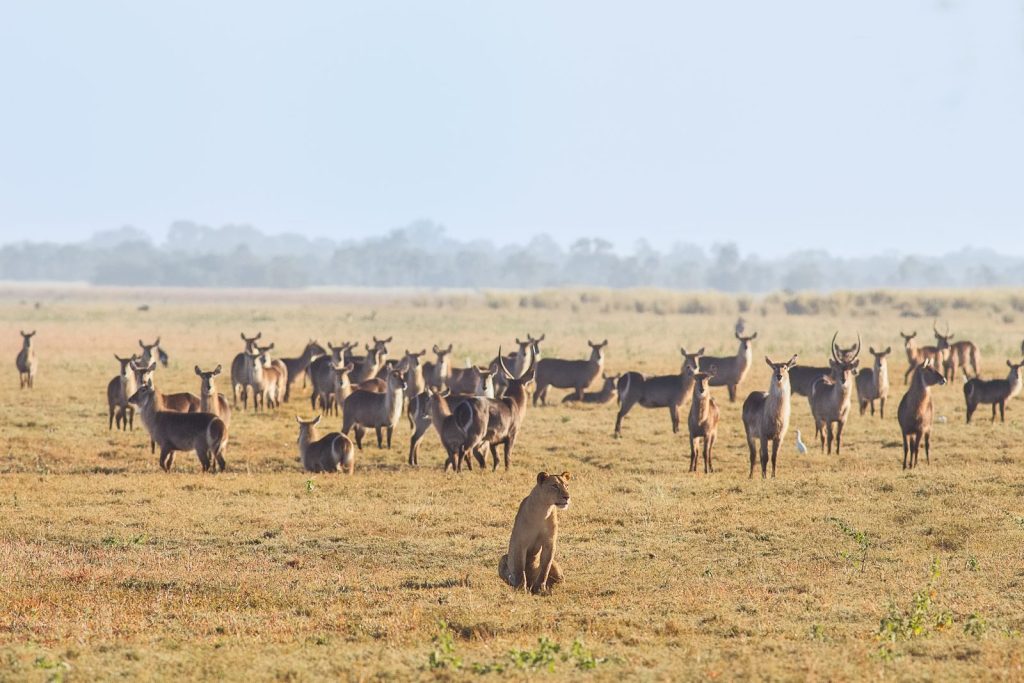
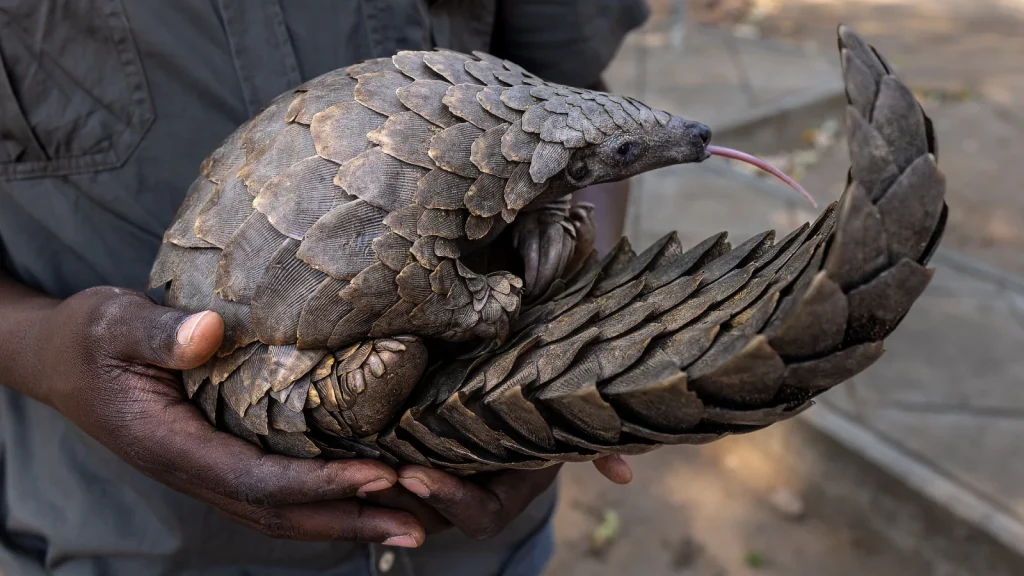
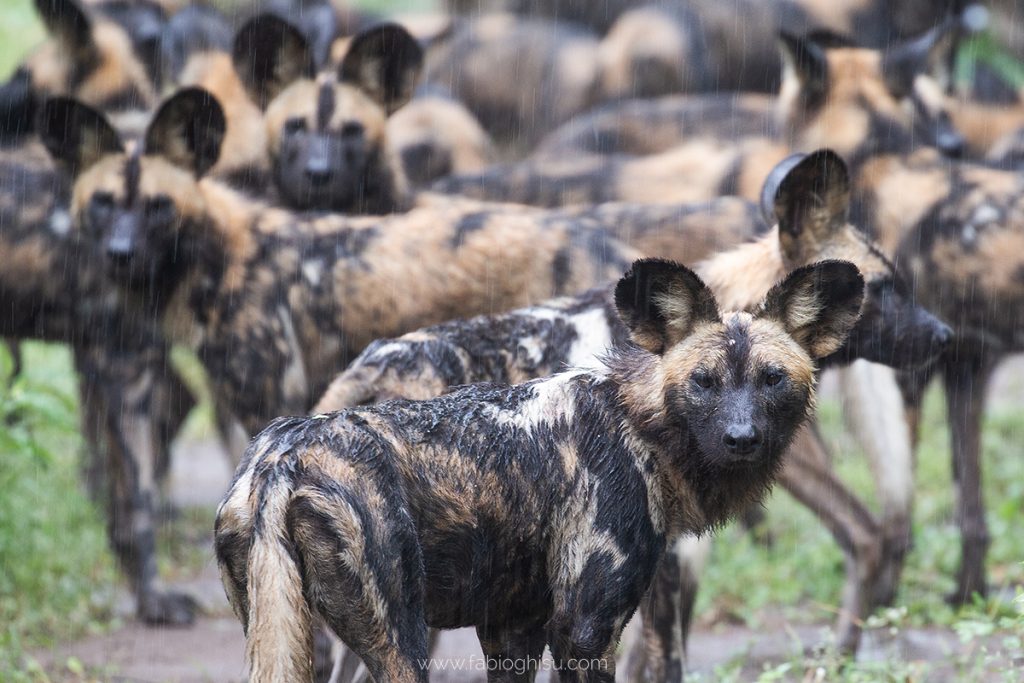
The partnership his foundation signed with the Mozambican government runs until 2043. In that time, wildlife numbers have rebuilt at a pace that continues to surprise even the scientists studying it. The 2024 game count recorded 873 elephants and more than 65,000 waterbuck — one of the largest concentrations of that species anywhere on the continent. The park has successfully reintroduced ten keystone species, including wild dog. A Pangolin Project launched in 2019 has rehabilitated and released over 100 animals that rangers intercepted from poachers. The park now employs 1,600 people, 98 per cent of them Mozambican.
A friend of mine visited recently and came back talking about Zambezi softshell turtles — a species I’d barely heard of, and I’ve been following African wildlife for thirty years. That detail tells you something about what Gorongosa is. It isn’t just recovering. It’s revealing things that scientists never properly documented in the first place.
Where to see pangolin in Mozambique
Gorongosa is one of the best places in Africa to see pangolin. That’s not a marketing claim — it’s the result of a serious, sustained conservation programme. The Pangolin Guardians project, launched in 2019, works with animals that rangers intercept from poachers, rehabilitating them through guided daily foraging walks before release back into the wild. Veterinarian Mércia Angela leads the programme; guests staying five nights or more can join her in the field. There is nowhere else on the continent where you can spend time with pangolins in this way — not in a sanctuary, not behind glass, but moving through their habitat as they forage. For anyone whose list includes seeing pangolin in the wild, this is the experience to build a trip around.
Why tourism is the point
This is the part that matters most to me, and the reason Gorongosa sits at the heart of what Wild Paths is for.
Wild places, to survive in the modern world, have to show economic value. That sounds uncomfortable but it’s true. Without it, land goes to mining, farming, cattle. The animals that depend on it disappear. The communities that could benefit from it get nothing.
Tourism changes that equation. When a park like Gorongosa can demonstrate that its wildlife and its wild land generate income, create employment, and fund schools and community projects, it becomes worth protecting. Not as an abstract ideal, but as a practical, functioning reality. Gorongosa is the conservation safari done right — proof that tourism and protection can reinforce each other rather than pull in opposite directions. Greg Carr has said he believes tourism will make the park self-sustaining within fifteen years. That isn’t wishful thinking. It’s what the numbers are starting to show.
Mozambique matters particularly in this conversation because the big operators haven’t moved in yet. The Serengeti and the Masai Mara carry extraordinary wildlife but they also carry the infrastructure, the volume and the noise that comes with decades of mainstream safari tourism. Mozambique is still early. The industry taking shape here has a chance to do this right — staying true to its conservation purpose, proportionate in scale, genuinely beneficial to the people and places it depends on. That window won’t stay open indefinitely.
What the experience actually looks like
Gorongosa doesn’t permit self-drive. All guests travel in park vehicles with park guides. There are no convoys at sightings, no radio chatter coordinating the next vehicle into position. When you find something, you find it properly.
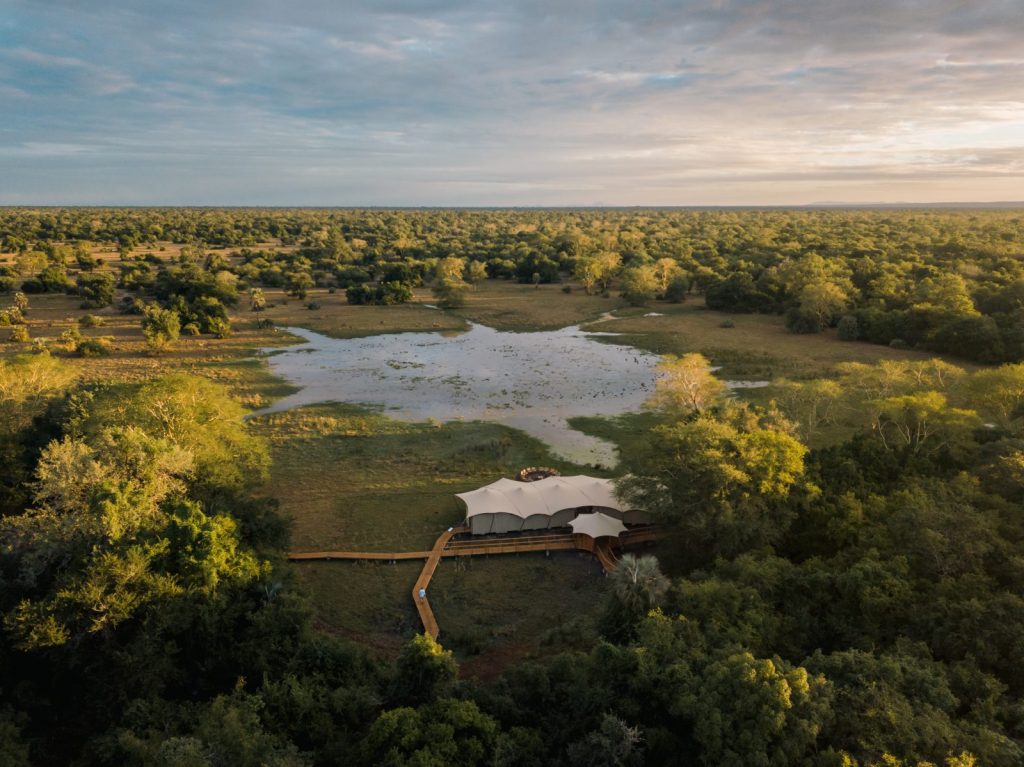
Muzimu Lodge sits on the Mussicadzi River. Chicari Camp overlooks a wildlife-rich pan deeper in the park. Moving between them is part of the experience — each shows you a different side of Gorongosa. Beyond game drives, the park offers walking safaris, seasonal boating on the floodplains, and community visits in the buffer zone. Stay five nights or more and you join the Pangolin Guardians — out each day with the veterinarians, shadowing pangolins on foraging walks as they prepare for release. Nothing else in Africa quite matches it.
Gorongosa Safaris recently launched Expedition Camp — an exclusive-use mobile fly camp that takes small groups into areas of the park that standard game drives can’t reach. It’s limited to a handful of expeditions per season, accommodating a maximum of six guests. The focus is walking: expert guides lead days across the Bunga Plains, into cave systems, and through wilderness that sees almost no other visitors. This isn’t a traditional tented camp with fixed infrastructure. It’s a different kind of safari entirely — raw, exploratory, and deliberately stripped back.
We work with similarly minded conservation properties elsewhere. If you want to understand the pangolin story further, our piece on Lapalala’s pangolarium in South Africa gives more context on why this work matters.
Why I chose this place
Wild Paths exists to support wild places. Not to market them, not simply to sell access to them, but to direct people and their travel spend towards the areas where that spend makes a genuine difference. Gorongosa is exactly that kind of place. It isn’t receiving thousands of visitors a month. Every guest who goes matters. Every dollar spent there is felt.
When a client travels to Gorongosa, they aren’t just having a safari. They’re contributing to something that is still being built — a park, a community, an argument about what conservation in Africa can look like when it’s done with the right values and enough patience.
That, more than anything, is why it’s on the Wild Paths list.
Jonny May
Founder
Wild Paths
About the Author:
Wild Paths was founded by me, Jonny May, a passionate Africa specialist with a deep-rooted desire to transform the travel industry. For the past 15 years, I’ve been fortunate enough to travel extensively across Africa. I’ve driven from Cape Town to Cairo, traversed the Sahara while leading camping safaris, and stayed in everything from community huts to the most exclusive private houses on the continent.
