
Namibia Safari Holidays
Planning a safari in Namibia opens up one of Africa’s most extraordinary landscapes. A Namibia safari holiday is unlike anywhere else on the continent — vast, raw, and deeply personal. Namibia’s landscapes are truly dramatic, where vast deserts meet the ocean. Beyond its well-known attractions, Namibia invites you to delve into its secluded wonders. Join us to venture into the country’s remote corners.

Luxury Namibia Safari Packages & Tailor-Made Itineraries
Namibia’s landscapes are truly dramatic, where vast deserts meet the ocean. You can climb the world’s highest sand dunes at Sossusvlei, and discover the haunting beauty of the Skeleton Coast. Beyond its well-known attractions, Namibia invites you to delve into its secluded wonders. Join us to venture into the country’s remote corners. Namibia has a few classic itineraries which attract the majority of visitors. We take you beyond the usual, still hitting the highlights but staying in purposeful lodges and working with communities and partners on the ground going above and beyond.
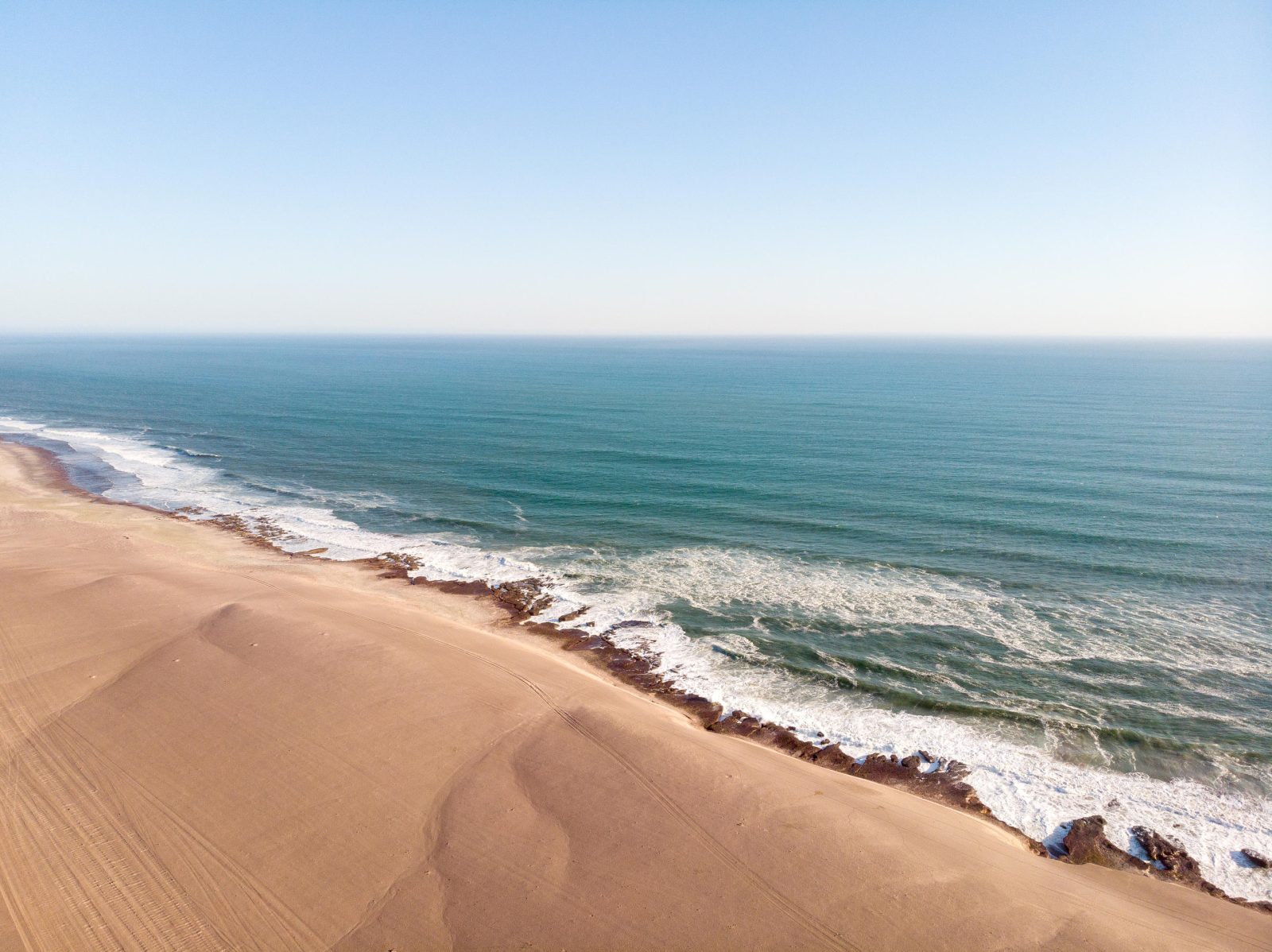

10 night Luxury Flying Safari
£13,950per person
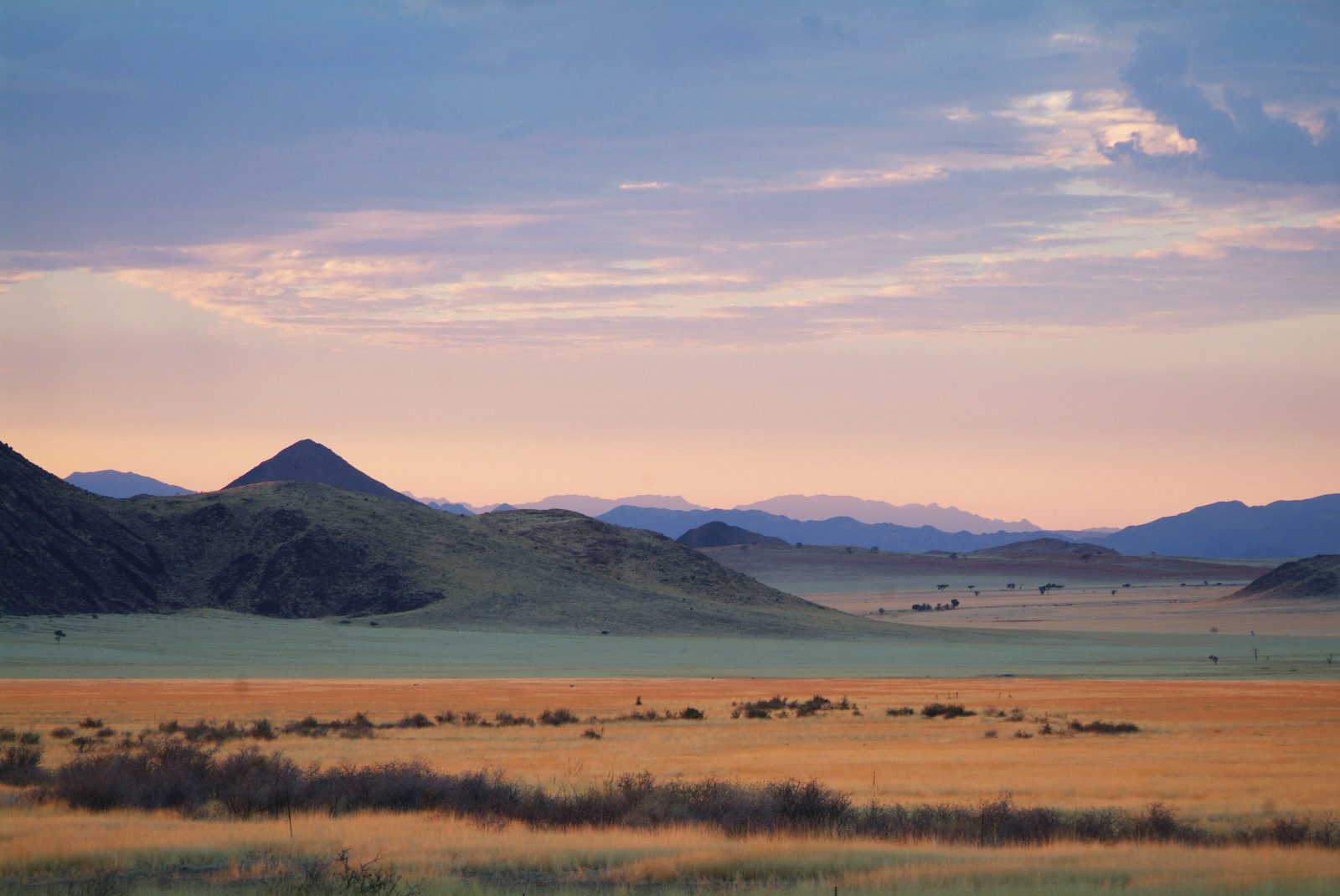
12 Days Namibia Self-Drive
From £3,300per person
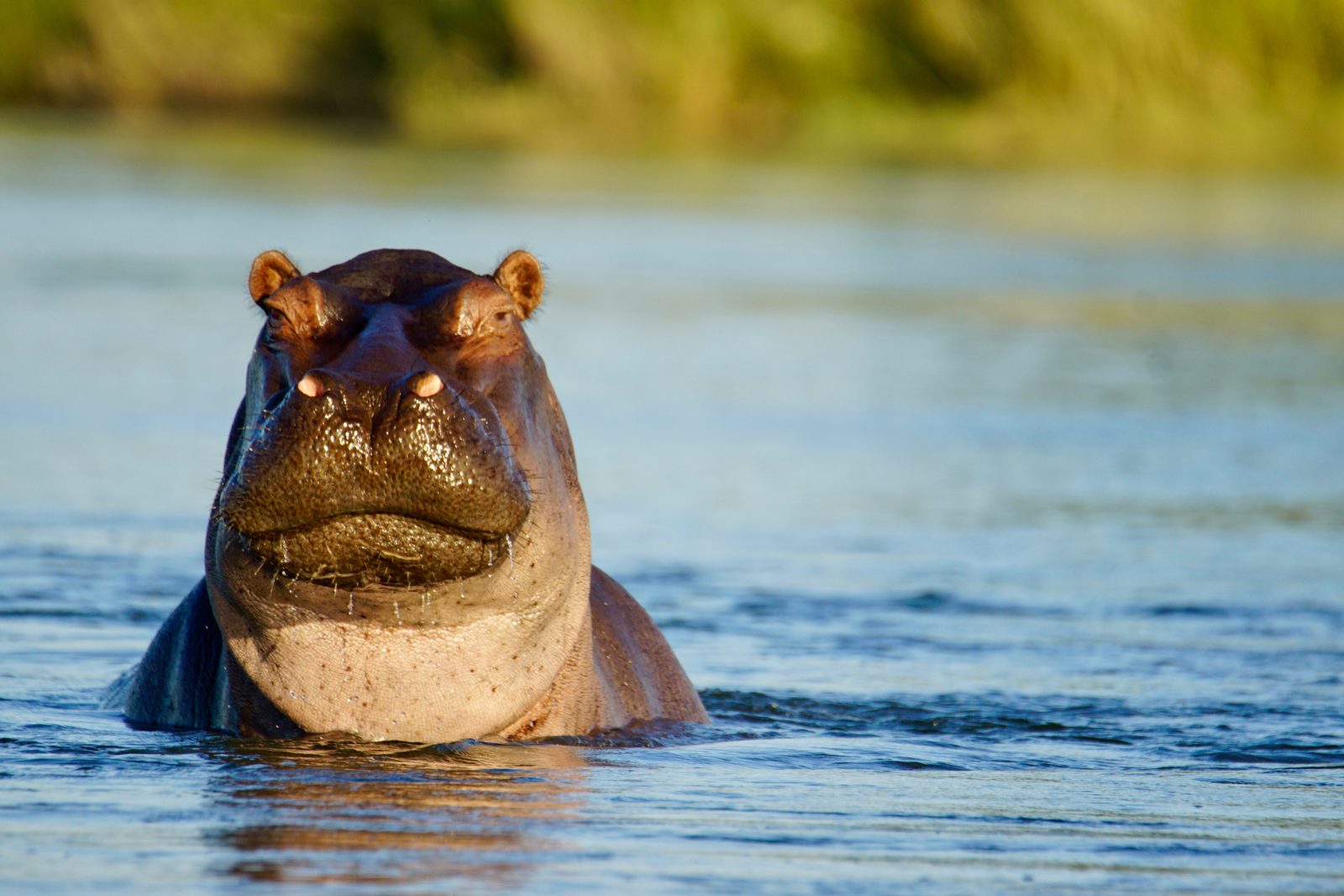
16 Days Namibia Self-Drive
From £5,536per person

13 day self driving across Namibia
From £3,905per person





We are incredibly lucky to witness it all from a nice air conditioned car during the day and fancy lodges in the evenings.
Most of the local rural population living in simple huts, still don’t have electricity or running water but somehow always manage a smile and a wave despite the obvious gulf between them and rich tourists. We’ve often felt out of place but never unwelcome or unsafe.
We covered 4,350 km, mostly on dusty gravel and stone roads/tracks and slept in 13 different beds, one without a roof but a great view of the night sky instead. I’ve enjoyed eating exceptional oryx, elan, springbok and even kudu steaks (“when in Namibia” as the saying goes).
We saw so many animals and came home with nearly 1,000 photos to prove it, but most of all we are coming home with plenty of great memories of two very welcoming Sub-Saharan African countries (only 46 to go).


Johnny’s organisation was outstanding. Every detail had been carefully thought through, which meant we could completely relax and enjoy the experience without having to worry about a thing. The safari itself was magical. The guides were excellent, and we were lucky enough to see almost every animal we had hoped for.
Three nights felt like the perfect length of stay. The food was exceptional, and we felt thoroughly looked after from start to finish.
It was truly a once in a lifetime trip that we will never forget. Thank you again to Johnny for organising everything so beautifully and taking such good care of us.
I couldn't recommend Johnny enough and hope to book another trip through him sometime in the future

From the flights, hotel stay and tour in Nairobi, safaris in Nairobi National Park and Mbulia Hills and beach resort in Diani, Mombasa as well as all flight, train and other connections, everything was superbly organised and the attention to detail by Jonny was second to none.
The trip proved to be everything we had anticipated, expected and more. One family from our party is returning in June 2027 - that’s how wonderful it was!
Thank you Jonny from us all.


Jodi - Canada Sept. 2025


Why Book with Us




Speak to an expert
We love designing African adventures. Get in touch and we can help you create yours.
Email: adventure@wild-paths.co.uk or send us a WhatsApp on +447568161707


Namibia Accommodation
Namibia’s safari lodges combine comfort with eco-consciousness, dedicated to protecting landscapes and supporting local communities. From luxury lodges in the Namib Desert to remote tented camps in private reserves, our accommodation offer incredible wildlife experiences while maintaining a minimal ecological footprint.


Sossusvlei area

Damaraland
What We Love About Namibia
Namibia Wildlife
Namibia’s wildlife is an example of incredible adaptation to desert life. In Damaraland, track desert-adapted rhino as they move across rocky landscapes. Desert elephant roam dry riverbeds in search of water. Along the Skeleton Coast, brown hyena patrol the foggy shores, while bat-eared fox scans the plains for prey. Namibia’s animals embody the resilience required to survive in these harsh conditions.
Best Time to Visit Namibia
Namibia is a year-round destination, but avoiding January and early February is ideal due to high temperatures and potential rainfall. From March to May, the country blooms with greenery, offering quieter, scenic landscapes. The dry season from July to October is perfect for safari, as wildlife gathers at water sources, particularly in Etosha National Park, making it the prime time for game viewing.
Namibia People and Culture
Namibia’s cultural diversity mirrors its vast landscapes. Meet the Himba, who maintain age-old traditions, or explore ancient San rock art. Urban areas reflect a blend of African and European influences. Travelling with us supports conservation efforts that protect both the natural environment and Namibia’s cultural heritage, ensuring these traditions continue for future generations.
Namibia FAQs
We answer a few common questions we often receive on Namibia Safaris. Please just get in touch if anything you want to know isn’t answered below.
Is Namibia safe for self driving?

Namibia is incredibly safe to self-drive. Big open roads with very little traffic make it simple to drive and the epic scenery which seems to constantly change ensures it is one of the best road trips in the world.
How long do you need in Namibia?
Most visitors to Namibia spend around 12 days in the country. A classic Namibia trip features Sossulsvlei, Swakopmund, Damaraland and Etosha, which can be done in 12 days. We’ve also organised trips to Namibia for much longer – if you have the luxury of time then we can help you really get under the skin of this beautiful country.
When is the best time to go on a Namibia safari?
Namibia is a year-round safari destination, but the best time really depends on what you want from your trip.
The dry season (roughly May–October) is usually considered the best for wildlife viewing. Water is scarce, so animals gather around waterholes, making sightings more predictable — especially in places like Etosha National Park.
The green season (November–April) brings dramatic skies, lush landscapes, and incredible birdlife. It’s also when you’ll see newborn animals, which can be very special — just expect wildlife to be more spread out.
If you want a balance of good wildlife viewing, fewer crowds, and beautiful scenery, May and June are often a sweet spot.
Have a read through our guide: Best time to visit Namibia
What wildlife can I expect to see on a Namibia safari?
Namibia isn’t about dense wildlife like parts of East Africa — it’s about unique, desert-adapted species and extraordinary landscapes.
You can expect to see:
Elephant (including desert-adapted populations in the northwest)
Lion (including desert-adapted lions in remote regions)
Black and white rhino (especially in private reserves and Damaraland areas)
Giraffe
Zebra
Oryx (gemsbok — Namibia’s national animal)
Springbok
Hyena
Cheetah (in some regions and reserves)
In places like Damaraland, sightings feel particularly special because wildlife survives in such harsh conditions.
Have a read through our guide on Namibia’s wildlife: Best Places to see wildlife in Namibia
Is Namibia a good destination for a first-time safari?
Yes — especially if you love big landscapes, photography, and a sense of space and wilderness.
Namibia is:
Easy to navigate (good roads, well set up for travellers)
Politically stable
Low population density (so it never feels crowded)
It’s slightly less “classic safari” than Kenya or Tanzania — fewer huge herds — but the overall experience can feel more raw and adventurous. For many first-time safari travellers, that’s actually a huge positive.
Is it better to self-drive or book a guided safari in Namibia?
Both can work — it depends on your travel style and confidence.
Self-drive works well if you:
Are comfortable driving long distances
Like independence and flexibility
Are confident planning logistics
Guided safaris are better if you:
Want deeper wildlife interpretation
Prefer everything handled for you
Want access to private reserves or specialist experiences
Want to avoid long drives on gravel roads
Many Wild Paths guests choose self-drive trips, it’s such a fantastic way of seeing Namibia.
Are safaris in Namibia suitable for families with children?
Yes — Namibia can be brilliant for families.
Key reasons:
Low malaria risk in many areas (depending on season and region)
Less intense wildlife density can feel less overwhelming for younger children
Huge open landscapes and varied experiences (desert, coast, wildlife, culture)
Some camps and lodges have minimum age limits, but there are excellent family-friendly options — especially if you plan well in advance.
Do I need a visa to travel to Namibia from the UK?
Yes, you need a visa to enter Namibia. It can be purchased online or on arrival – we will provide you with the information you will need.
Is Namibia safe for travellers?
Yes — Namibia is generally considered one of the safest countries in Africa for travellers.
Like anywhere:
Be sensible with valuables in cities
Avoid walking alone at night in urban areas
Follow local advice and camp/lodge guidance
In remote safari areas, safety risks are usually environmental rather than crime-related — heat, distance, wildlife.
Namibia Regions
Sossusvlei
Sossusvlei is famous for its towering red sand dunes and otherworldly landscapes in the heart of the Namib Desert. Visitors can hike up the massive dunes, like the iconic Dune 45, or explore the striking Dead Vlei, where ancient, sun-scorched trees stand against a white salt pan. Sunrise and sunset tours offer breathtaking views of this surreal region. Lodges here focus on eco-friendly practices, ensuring the preservation of the delicate desert ecosystem while providing unique and comfortable stays. A visit to Sossusvlei offers an unforgettable journey into one of the world’s most dramatic desert landscapes.

Damaraland
Damaraland offers a raw, rugged wilderness perfect for adventurous travellers. Known for its desert-adapted elephant and rhino, the region is also home to ancient rock art at Twyfelfontein, a UNESCO World Heritage Site. Visitors can enjoy guided wildlife tracking and cultural experiences with local communities. The landscape is marked by towering granite mountains and open plains, making for dramatic scenery. Lodges in this area work closely with local conservancies, promoting sustainable tourism that benefits both wildlife and people. Damaraland’s combination of natural beauty and cultural significance makes it a unique stop on any Namibian safari.

Etosha
Etosha National Park is Namibia’s top wildlife destination and is a centre-piece for most Namibia safari packges. Centred around the vast Etosha pan, where, during the dry season, animals like elephant, rhino, and lion gather at the park’s waterholes, providing incredible game viewing. Visitors can self-drive or join guided game drives to explore this diverse landscape. Birdwatching is also popular, with flamingo and pelican often seen near the pans. Accommodations range from luxury lodges to camping, catering to all types of travellers. Etosha’s unique mix of semi-arid savanna and salt pans provides one of the best wildlife experiences in Southern Africa.

Skeleton Coast
The Skeleton Coast is one of Namibia’s most remote and hauntingly beautiful areas. Known for its fog-shrouded beaches, shipwrecks, and vast dunes, this region offers a unique safari experience. Visitors can see Cape fur seal colonies, spot desert-adapted wildlife, and explore the eerie remains of stranded ships. Luxury flying safaris provide spectacular aerial views of the coastline’s dramatic landscape. Lodges here are designed for low-impact tourism, ensuring that this fragile ecosystem remains protected. A visit to the Skeleton Coast offers an exclusive look at one of the world’s most untamed and untouched wildernesses.

Swakopmund
Swakopmund is Namibia’s adventure capital, offering a wide range of activities for thrill-seekers and nature lovers. Visitors can try sandboarding or quad biking on the towering desert dunes, or skydive over the striking Namib Desert. The Atlantic coast also offers plenty of excitement, with dolphin and seal cruises, kayaking, and fishing. For a more relaxed experience, explore Swakopmund’s German colonial architecture, visit local markets, or enjoy fresh seafood at coastal restaurants. Whether you’re seeking adrenaline-pumping adventures or cultural excursions, Swakopmund provides a perfect balance of outdoor fun and seaside charm.


Our Impact
We choose our local partners, safari camps and guides based on their ability to offer incredible experiences and their commitment to people, the planet, and wildlife. We’ve worked with many of them for years.
- Every holiday we create aligns with our purpose to support conservation through the power of travel
- We measure the carbon cost of each trip and invest in projects that remove emissions and celebrate the wild
- 30% of profits are donated to charities, supporting conservation, communities and biodiversity.
Our Other Safari Destinations


Namibia Blog Posts
African Safari Packing List
I've driven from Cape Town to Cairo, crossed the Sahara, and slept in everything from remote community huts to private tented camps deep in the Okavango...

Stargazing in Africa: A Guide to the Continent’s Night Skies
I remember the exact moment stargazing in Africa properly stopped me in my tracks. I was at Noka Camp in the Lapalala Wilderness Reserve in South Africa's...
The Complete Namibia Self-Drive Guide
The Complete Namibia Self-Drive Guide Everything you need to plan a self-drive safari in Namibia | Wild Paths Namibia is one of the world's great...