
African Safari Packing List

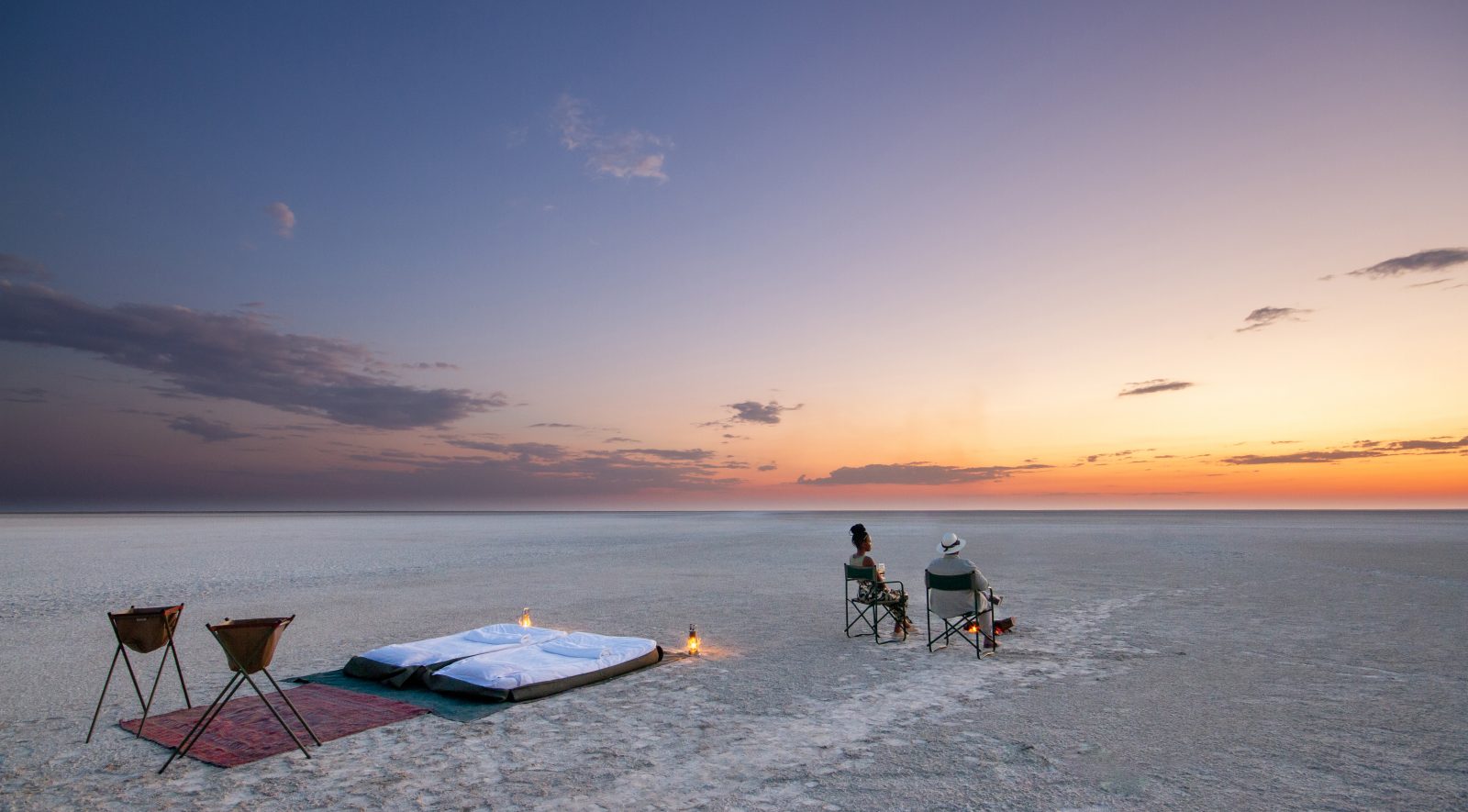
I’ve driven from Cape Town to Cairo, crossed the Sahara, and slept in everything from remote community huts to private tented camps deep in the Okavango Delta. In fifteen years of travelling and working across Africa, I’ve packed and repacked a duffel bag more times than I can count.
This list is what I actually take. Not a generic round-up cobbled together from other generic round-ups — but the real, considered kit of someone who has ruined a camera to Namibian dust, frozen on a pre-dawn game drive in the Mara in what I thought was a warm enough jacket, and learned the hard way that not all insect repellents are equal.
If you’re heading on your first African safari from the UK, this is the packing list I’d hand you before you left.
The one rule that changes everything: bush flight luggage limits
Before we get into what to pack, we need to talk about how to pack it — because this surprises almost every first-time safari traveller and it shapes everything else.
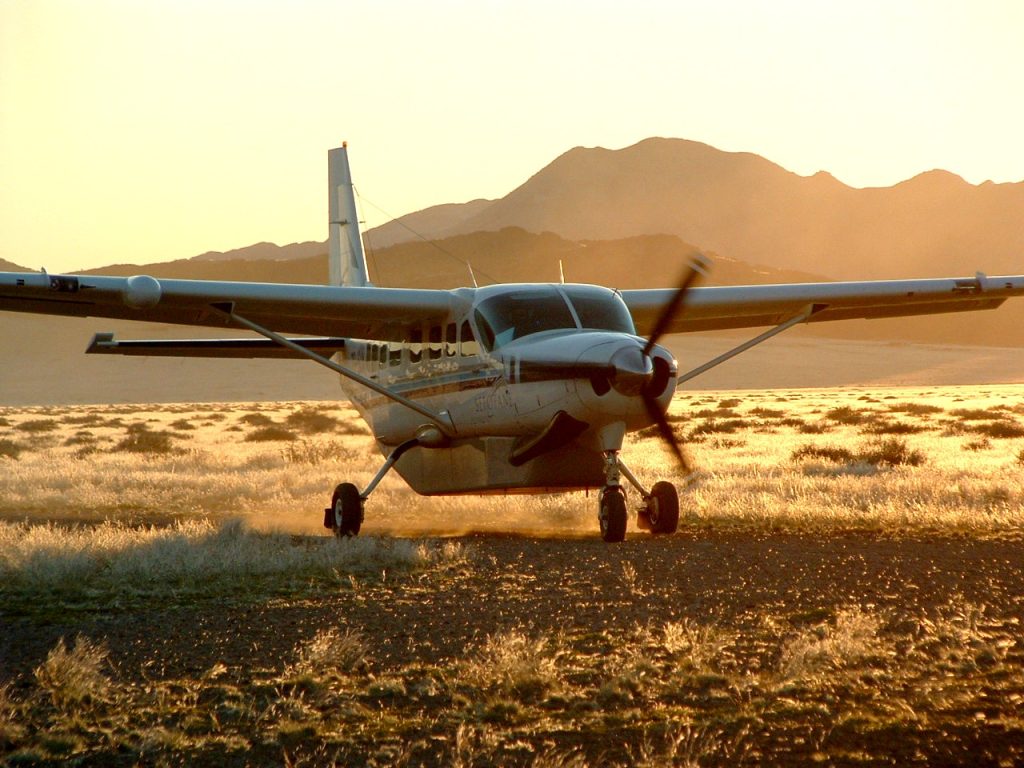
If your itinerary includes moving between camps (and most of our trips do, whether that’s hopping between Mara conservancies in Kenya, island camps in the Botswana Delta, or remote lodges in Tanzania), you will almost certainly board a small charter aircraft at some point. These are small, beautiful, slightly bumpy planes — and they have strict baggage rules.
Most bush charter flights allow 15–20kg total, including hand luggage. Hard-sided suitcases are not permitted. Full stop.
Your luggage goes in the nose or belly of the aircraft, and it needs to be soft and squashable. A good quality soft duffel bag — 60–70 litres — is what you need. Many of our travellers also bring a small daypack for the flight itself and for game drives.
Pack light. Virtually every camp and lodge we work with offers same-day or overnight laundry, usually at no extra charge. You do not need two weeks of clothes for a two-week trip.
Clothing: what to wear on an African safari
Don’t get too focussed on colour unless you’re on walking safari
Many first timers book their safari and then go and buy a new wardrobe full of khaki outfits. Aside from the environmental issues of buying brand new clothes for a holiday – you look silly. Yes, natural colours are good, greens, grey, brown reduce your visibility, however – it’s worth remembering you’re in a vehicle which smells of diesel and is loud. Point being – the animals are aware that something is in their environment which is not normal.
It’s worth avoiding extremely bright colours, but if you only have white or dark blue clothes – then you will be fine. We’ll cover walking safaris further down the line.
What to actually pack
- Tops: 3–4 lightweight, long-sleeved shirts in neutral tones. Long sleeves protect against sun, insects and the early morning chill of a game drive. Merino wool or technical fabrics that wick moisture are ideal.
- Trousers: 2–3 pairs of lightweight trousers, ideally zip-off convertibles so they double as shorts when the heat picks up mid-morning.
- Fleece or light down jacket: Non-negotiable. The Masai Mara at 5:30am in July can feel genuinely cold. The Okavango Delta in winter (June–August) can be extremely cold. Some parts of South Africa get below freezing in the dry season overnight.
- Warm outer layer: For night drives in South Africa and Zimbabwe. A lightweight softshell jacket packs small and earns its weight.
- Casual evening wear: Most camps have a casual dinner atmosphere. One light linen shirt or a simple dress will do. Even a t-shirt and shorts is completely fine.
- Swimwear: Many lodges have pools. Definitely bring if you’re adding heading to the beach after.
- Underwear and socks: Quick-dry, moisture-wicking. Merino wool socks are excellent for walking safaris.
Footwear
- Walking shoes or lightweight boots: Closed-toe with ankle support for walking safaris in Zimbabwe or Tanzania. Broken in before you leave home.
- Comfortable trainers: For moving between camps, lodge evenings and general use.
- Sandals or flip-flops: Most evenings at camp you’ll want something light and easy.
What not to bring: high heels, brand new unbroken-in shoes, or open-toed shoes for bush walks.
Sun and skin protection
Africa’s sun is serious. At altitude — the Kenyan highlands, the Tanzanian plateau — it’s fiercer than you expect, and some camps have open roof game viewing vehicles.
- Suncream: SPF 50, reef-safe formulas where possible. Reapply every two hours on open vehicles.
- Sunglasses: UV-protective, polarised lenses ideal for the Delta or Namibian salt pans.
- Wide-brimmed hat, or baseball cap: from a pure shade perspective, the wide brim wins — but a baseball cap keeps you looking like someone who’s done this before, rather than someone who ordered everything on the list in one panicked Amazon session.
- Lip balm with SPF: Frequently forgotten. Genuinely needed at altitude and in dry climates.
- Insect repellent: DEET-based, at least 30%. Apply in the evenings and before any time in the bush.
- Buff or neck gaiter: On a dusty game drive in Namibia, fine red dust is relentless. A buff makes a real difference.
Health and medical
This is not a medical advice section — please consult your GP or a travel health clinic before any African safari trip. But here’s what you need to think about:
- Antimalarial medication: Essential for most destinations. Start this conversation with your GP at least 6–8 weeks before departure. Boots and Superdrug both have travel health clinics.
- Vaccinations: Hepatitis A and Typhoid are commonly recommended for East and Southern Africa. Yellow Fever vaccination may be required. Book 6–8 weeks before travel.
- Prescription medications: Bring more than you need, in original labelled packaging, with a copy of your prescription.
- Personal medical kit: Antihistamines, ibuprofen and paracetamol, rehydration sachets, blister plasters, antiseptic wipes.
- Diarrhoea medication: Imodium or similar. Dietary changes can cause upset stomachs even at the best lodges.
Photography and optics
A safari is one of the great photographic experiences on earth. Even if you’re not a serious photographer, you’ll want to capture what you see.
- Camera: DSLR or mirrorless with a zoom lens (100–400mm). If investing in one piece of kit, make it the lens.
- Batteries and memory cards: Bring far more than you think you need. Game drives are long.
- Dust protection: African dust gets inside everything. A sealed dry bag or dust-cover camera bag is essential.
- Bean bag: Lightweight, packs flat, transforms your in-vehicle photography.
- Power bank: Keeps your devices topped up between camps.
- Binoculars: 8×42 or 10×42. The most overlooked piece of kit and the one people most wish they’d brought.
Destination-specific extras
- Botswana (Okavango Delta, mokoro): Warm layer essential May–August. Waterproof bags for mokoro transfers.
- Kenya (Maasai Mara conservancies): High altitude, cold early mornings even in summer. Rain jacket for wetter months.
- Tanzania (remote camps): Headtorch essential — remote off-grid camps are in complete darkness.
- Namibia (self-drive, dunes): Best dust protection for camera. Extreme temperature swings — layers essential.
- South Africa (ocean / Cape Town): Light wetsuit or rashguard for ocean activities. Windproof jacket for Cape Town.
- Zimbabwe (walking safaris): Full-length trousers and sturdy shoes for bush walking. Headtorch essential.
What to leave at home
- Hard-sided suitcases (bush flight rules)
- Hair dryers and straighteners (voltage difference; lodges often have them)
- Too many smart clothes (you won’t use them)
- Heavy hiking boots (overkill for most safari walking)
- Cheap sunglasses (you’ll regret it at altitude)
Walking Safaris
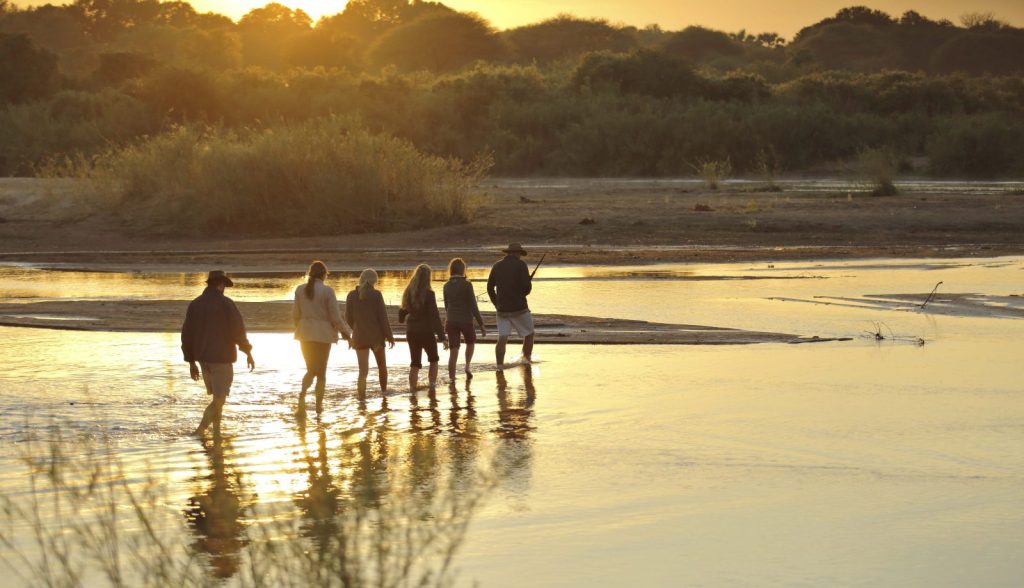
If your trip includes a walking safari — and if it does, lucky you, it’s one of the best things you can do in Africa — then colour does start to matter a little more.
On foot in the bush, you’re no longer inside a diesel-smelling vehicle that announces itself from half a mile away. You’re quiet, slow-moving, and at eye level with the environment. Natural tones — khaki, olive, brown, grey — help you blend in. More practically, they’re what your guide will be wearing, and there’s a reason for that.
You don’t need to buy a new wardrobe. The neutral-toned long-sleeved shirts and lightweight trousers already on this list will do the job perfectly well. Just leave the white linen shirt and the coral pink polo at the lodge.
Footwear matters more on a walking safari than anywhere else. Closed-toe shoes with ankle support are non-negotiable — broken in before you leave home, not on day one of a ten-kilometre walk in Zimbabwe.
A note on travelling with purpose
At Wild Paths, we try to apply our values to every part of a trip — including what we bring to it.
- Bring a reusable water bottle.Every camp and lodge we work with will refill it, usually for free. Single-use plastic is a genuine problem across parts of Africa.
- Choose reef-safe suncream if your trip involves marine or freshwater activities.Conventional suncream chemicals cause real damage to aquatic ecosystems.
- Pack light.Lighter luggage means more efficient travel and less weight on small aircraft.
The Wild Paths essential packing checklist
A quick-reference version you can print and take with you.
Clothing
- 3–4 lightweight long-sleeved shirts (neutral tones)
- 2–3 pairs lightweight trousers (zip-off if possible)
- Fleece or light down jacket
- Windproof outer layer
- 1 smart-casual outfit for evenings
- Swimwear
- Quick-dry underwear and merino wool socks
Footwear
- Comfortable walking shoes or boots (worn in)
- Lightweight trainers
- Sandals or flip-flops
Sun and skin
- SPF 50 suncream (reef-safe if possible)
- Wide-brimmed hat
- UV-protective sunglasses
- Insect repellent (30%+ DEET or Picaridin)
- Lip balm with SPF
- Buff / neck gaiter
Health
- Antimalarial tablets (start before trip)
- All prescription medication (plus extra)
- Antihistamines
- Rehydration sachets
- Pain relief
- Blister plasters
- Antiseptic wipes
Photography and tech
- Camera and zoom lens
- Spare batteries and memory cards
- Dust-proof camera bag
- Bean bag
- Power bank
- Binoculars (8×42 or 10×42)
- Universal travel adaptor
- Headtorch with spare batteries
Bags
- Soft duffel bag (60–70L)
- Small daypack
- Dry bags for valuables
Documents (keep in hand luggage)
- Passport (valid 6+ months beyond travel dates)
- Travel insurance documents
- ATOL certificate
- Vaccination certificates (yellow fever if required)
- Copy of prescriptions
- Emergency contact numbers
Ready to start planning?
This list is a starting point. Every Wild Paths trip is built specifically around you — and when we put together your itinerary, we’ll give you destination-specific packing advice tailored to exactly where you’re going, when, and what you’ll be doing.
If you’re planning your first African safari and want to talk it through with someone who’s actually been there, get in touch at wild-paths.co.uk/contact-us — we’d love to help you find the right trip.
Jonny May
Founder
Wild Paths
About the Author:
Wild Paths was founded by me, Jonny May, a passionate Africa specialist with a deep-rooted desire to transform the travel industry. For the past 15 years, I’ve been fortunate enough to travel extensively across Africa. I’ve driven from Cape Town to Cairo, traversed the Sahara while leading camping safaris, and stayed in everything from community huts to the most exclusive private houses on the continent.

More From The Blog
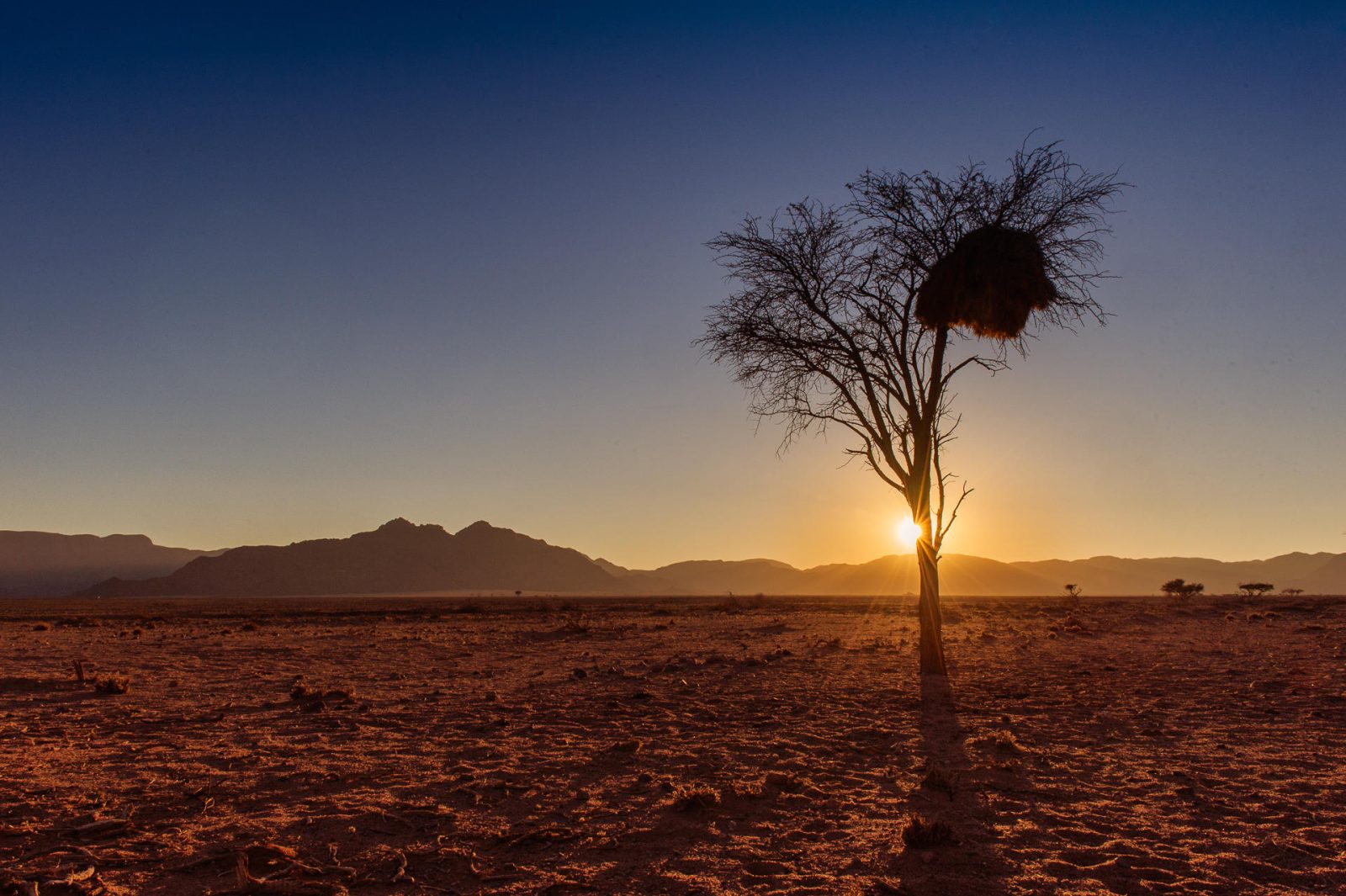
The Complete Namibia Self-Drive Guide
The Complete Namibia Self-Drive Guide Everything you need to plan a self-drive safari in Namibia | Wild Paths Namibia is one of the world's great...
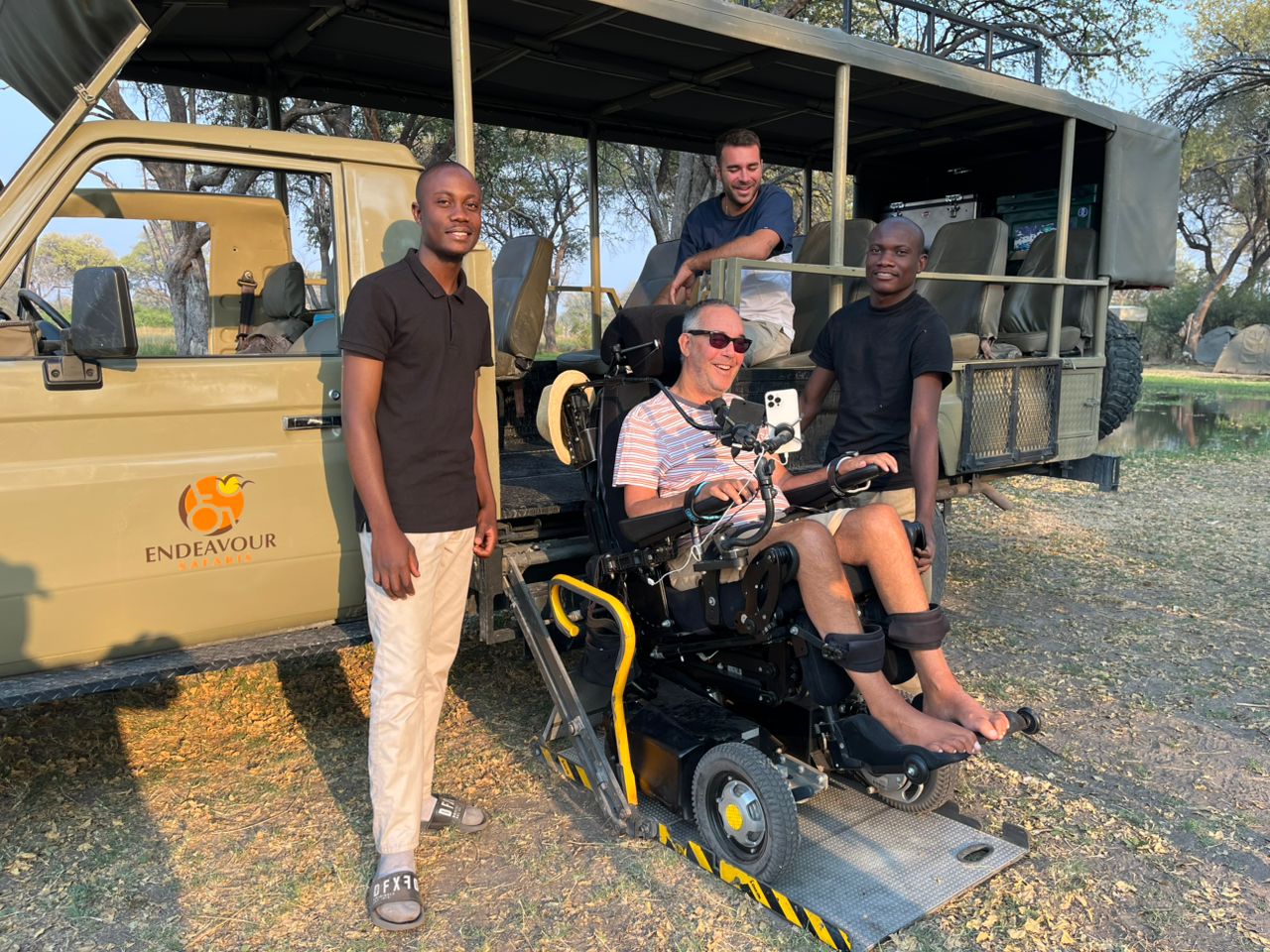
Can wheelchair users go on safari?
It's one of the questions I'm asked most often, and the honest answer is: yes. For most of my career in the safari industry, however, the more truthful answer...

Best Time to Visit Namibia
Month by Month Safari Guide Namibia is one of Africa’s most spectacular safari destinations, offering dramatic desert landscapes, abundant wildlife, and...