
The Complete Namibia Self-Drive Guide

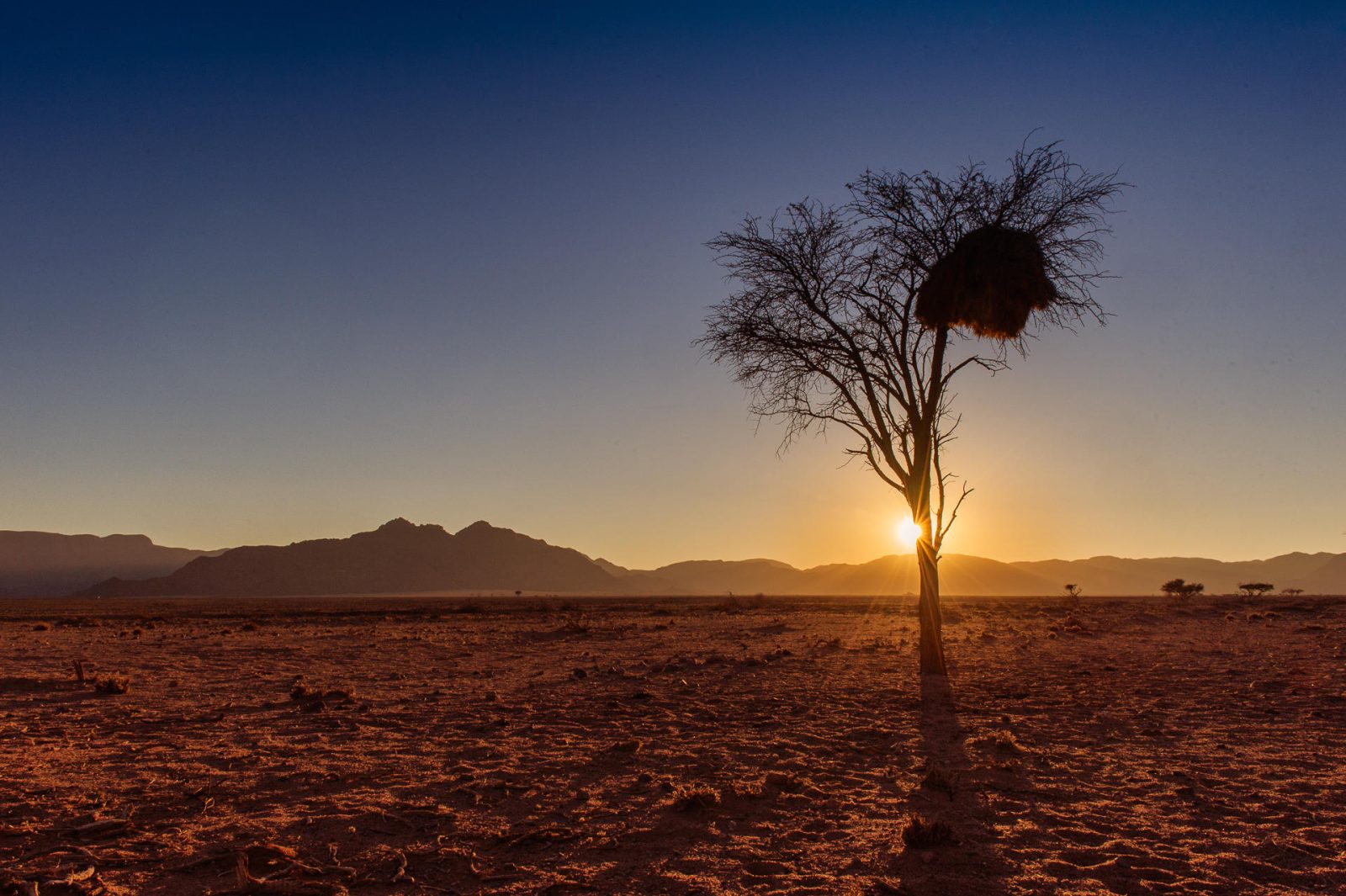
The Complete Namibia Self-Drive Guide
Everything you need to plan a self-drive safari in Namibia | Wild Paths
Namibia is one of the world’s great self-drive destinations. Big open roads, sparse traffic, dramatic landscapes that change by the hour, and an almost total absence of crowds. For independent-minded travellers, it is hard to beat.
I have spent over 15 years travelling across Africa, including driving the length of the continent from Cape Town to Cairo. In that time, I have come to know Namibia’s roads, regions, and rhythms as well as anywhere on the continent. This guide is designed to answer every question you might have before setting off — from which route to take, to what to do if you break down in the middle of the desert.
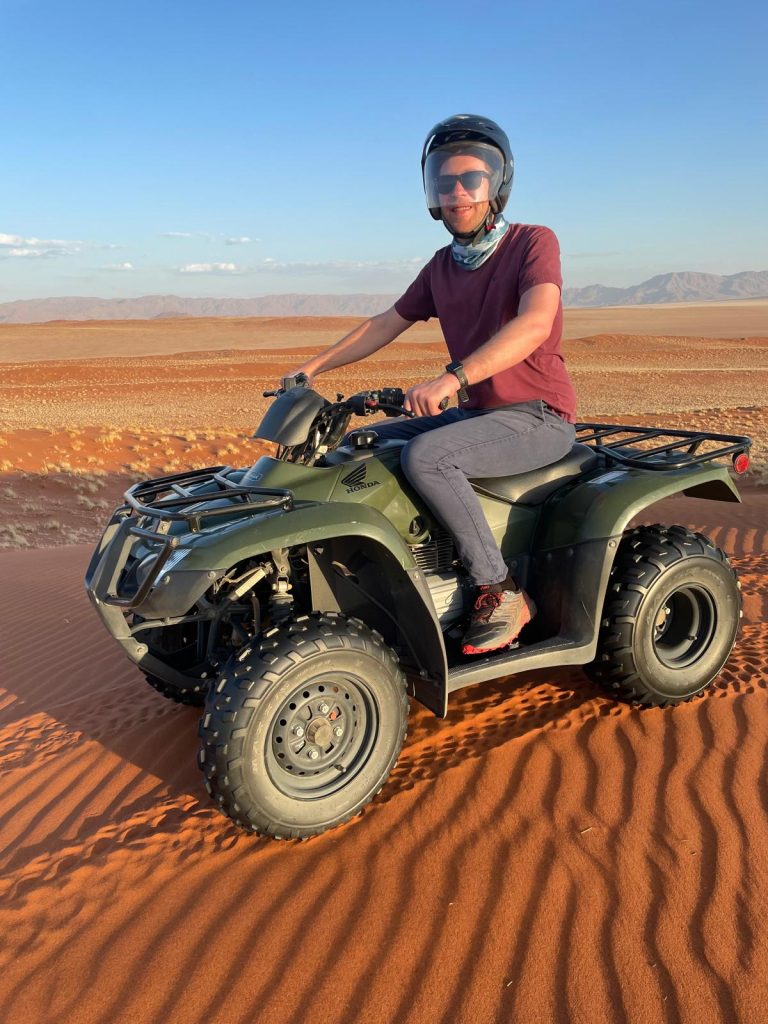
What’s Included in Your Wild Paths Vehicle
Every Wild Paths self-drive itinerary includes a Toyota Fortuner 4×4 Automatic (or similar) — a capable, comfortable vehicle that handles Namibia’s roads with ease. We always provide a 4×4 as standard. Namibia’s landscape is too varied and too spectacular to experience any other way, and we would never recommend anything less.
Your vehicle includes:
- Unlimited kilometres
- Importantly, there is zero excess insurance (unless negligent driving is proven)
- Unlimited additional drivers (over 25 years of age)
- Car fridge — perfect for keeping drinks cold on long drives
- Emergency medical evacuation cover
- Tyre and windscreen cover
- Two spare wheels as standard
- Phone pre-loaded with the numbers of every lodge on your itinerary
- Cross-border charges for approved border crossings
Not included in the vehicle hire:
- Fuel and refuelling charges
- GPS (we recommend downloading offline maps — see practical tips below)
- Fines and fine handling fees
- Lost key call-out fee
- Costs resulting from negligence

Self-Driving in Namibia: What to Expect
Namibia is one of the world’s great self-drive destinations, and one of the easiest and most rewarding countries in Africa to explore independently. Big open roads, almost no traffic outside of Windhoek, and landscapes that change dramatically from one hour to the next — it is a genuinely thrilling experience from the moment you leave the capital.
Here is everything you need to feel confident and well-prepared before you set off.
Road Conditions
Namibia’s main roads (B-roads) are generally tarred and in excellent condition. Secondary roads (C and D roads) are gravel but well-maintained and very driveable in your 4×4. The key is to adjust your speed — 70km/h (43mph) is the recommended maximum on gravel — and to enjoy the pace. Some of the best wildlife sightings happen on these quieter roads.
A few things worth knowing:
- Drive on the left — Namibia follows the same rule as the UK
- Gravel roads require a slower pace — 70km/h is the recommended maximum
- Watch for livestock and wildlife on the road, particularly at dawn and dusk
- Avoid driving after dark where possible — animals on roads are a genuine hazard
- Fill up at every petrol station — distances between towns can be long

Personal Safety
Namibia is a politically stable, peaceful country and one of the safest in Africa for travellers. In remote areas, the things to be mindful of are environmental — heat, distance, and wildlife — rather than anything crime-related. In towns and cities, standard common-sense precautions apply.
Your 4×4: The Right Vehicle for Namibia
All Wild Paths self-drive trips include a Toyota Fortuner 4×4 Automatic (or similar) as standard. We always recommend — and always provide — a 4×4 for Namibia. The country’s roads range from smooth tarmac to rocky riverbeds, and having the right vehicle makes the difference between a comfortable journey and a stressful one. It also opens up the more remote and rewarding routes that a standard car simply could not reach.
If Things Don’t Go to Plan
Namibia is well set up for self-drivers and problems are rare — but it is always worth knowing what to do just in case.
Breaking Down
Your Wild Paths vehicle comes with full tyre and windscreen cover and two spare wheels as standard. In the unlikely event of a more serious mechanical issue:
- Stay with your vehicle — it is far easier for rescuers to find a car than a person on foot
- Your phone is pre-loaded with the numbers of each lodge on your itinerary — call ahead if you are running late
- Your vehicle hire comes with emergency contacts — these are included in your pre-departure pack
- Let your accommodation know your expected arrival time — lodges will raise the alarm if you do not arrive
Getting Lost
Namibia’s remote roads are not always well-signposted, and mobile coverage outside of towns can be patchy. A few tips:
- Download offline maps before you leave — Maps.me and Google Maps both work offline
- A GPS device is a worthwhile investment for longer or more remote routes
- Your Wild Paths itinerary will include detailed driving notes for each leg of the journey and we provide an app which is usable offline.
- When in doubt, ask — Namibians are exceptionally friendly and helpful to travellers
Self-Driving with Wildlife
One of the joys of a self-drive safari in Namibia is the freedom to stop exactly when and where you want. Encountering a herd of oryx crossing the road or a desert-adapted elephant at a dry riverbed from the privacy of your own vehicle is a genuinely special experience.
In Etosha National Park
Etosha is one of the best self-drive wildlife destinations in Africa. The park is well-signposted, roads are good, and the waterhole system lets you park up and simply wait for animals to come to you. A few rules:
- You must stay in your vehicle at all times unless inside a designated camp or rest stop
- Do not approach animals too closely — give them space and let them move at their own pace
- The park gates open at sunrise and close at sunset — you must be inside a camp by nightfall
- Speed limits are strictly enforced inside the park
Outside the Park
In areas like Damaraland, you may encounter desert-adapted wildlife (including elehpants) while driving on open roads. These animals are wild and have right of way — give them a wide berth, switch off your engine, and observe quietly. Never drive between a mother and her young.

Namibia Self-Drive Routes
Below are five of our most popular self-drive routes, ranging from a classic 12-day circuit to an adventurous cross-border journey through Botswana. Each can be tailor-made to suit your pace, interests, and budget.
Route 1: The Classic Namibia Circuit (12–13 Days)
This is the definitive Namibia self-drive trip and the one we recommend most often to first-time visitors. It covers the four essential regions of the country and strikes the ideal balance between iconic landscapes, wildlife, and culture.
Itinerary at a Glance
Day 1: Arrive Windhoek. One night in the capital — a good opportunity to stock up on supplies and get your bearings before heading south.
Days 2–3: Sossusvlei. Drive south to the Namib Desert and spend two nights exploring the iconic red dunes. Dune 45 and Dead Vlei are unmissable at sunrise. We often stay at Desert Homestead Lodge, a superb property that actively supports conservation and is re-wilding the land it sits on.
Days 4–5: Swakopmund. Head north to the Atlantic coast and Namibia’s adventure capital. Two nights in a comfortable guesthouse in town — enjoy fresh seafood, explore the German colonial architecture, or try sandboarding on the dunes.
Days 6–7: Damaraland. Drive inland into one of Namibia’s most spectacular and undervisited regions. This is desert-adapted elephant territory — tracking these extraordinary animals across rocky riverbeds is a highlight of any Namibia trip.
Day 8: Okaukuejo. Drive to the western entrance of Etosha National Park and spend a night at Okaukuejo Rest Camp, famous for its floodlit waterhole where rhino, elephant, and lion come to drink after dark.
Days 9–10: Eastern Etosha. Self-drive across the park, stopping at waterholes along the way, and spend one to two nights at Mushara or one of the excellent private reserves on the eastern boundary of Etosha.
Day 11: Okonjima. Drop down to Okonjima Nature Reserve for a final night — home to the AfriCat Foundation and some of the best leopard and cheetah sightings in Southern Africa.
Day 12: Return to Windhoek and fly home.
This route is suitable for first-time visitors and can be done in a 4WD vehicle on standard roads.
Route 2: The Highlights — With Etendeka Walking Trails (14–15 Days)
A step up from the classic circuit for travellers who want to go a little deeper. The itinerary follows the same route through Sossusvlei, Swakopmund, and Damaraland, but after Damaraland adds two nights at Etendeka Mountain Camp — one of the most remarkable conservation experiences in Namibia.
Etendeka is a remote, unfenced camp set in an extraordinary desert landscape. Days are spent on guided walking trails — this is wildlife on foot, in some of the most dramatic terrain in Africa. The camp works closely with local communities and is a shining example of the positive impact responsible tourism can have.
From Etendeka the route continues to Okaukuejo, two nights in eastern Etosha, Okonjima, and back to Windhoek.

Route 3: Namibia, the Caprivi Strip & Victoria Falls (16-18 Days)
For those with more time, this extended route takes you from the classic Namibia circuit all the way up through the Caprivi Strip (now officially the Zambezi Region), into Botswana’s Chobe National Park, and on to Victoria Falls. It is a genuine African adventure covering three countries in one trip.
Route Overview
Namibia: Windhoek – Okonjima – Etosha – Caprivi Strip
Caprivi Strip: Head east from Etosha along the Caprivi Strip — a narrow finger of land bordered by Angola, Zambia, and Botswana. The Bwabwata National Park and Mudumu area offer excellent birding and wildlife, including hippo and crocodile on the Kwando River.
Botswana: Cross into Botswana and explore the Chobe National Park from Kasane — one of the highest concentrations of elephant in Africa.
Zimbabwe: Continue to Victoria Falls for two to three nights — one of the great natural wonders of the world.
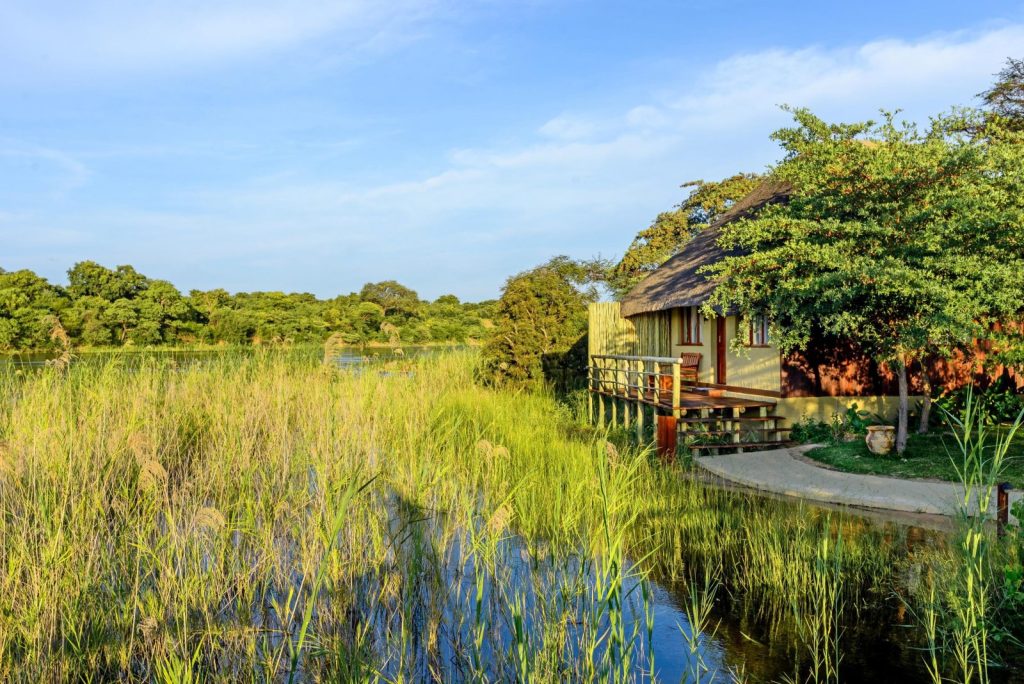
Route 4: The Southern Circuit — Fish River Canyon & Lüderitz (12–13 Days)
Namibia’s south is less visited than the north but every bit as dramatic. This route explores the highlights of southern Namibia before looping back up to Sossusvlei and Windhoek.
Key Stops
- Kalahari — the southern edge of the great Kalahari Desert, excellent for meerkats and dry-country wildlife
- Fish River Canyon — the second largest canyon in the world, and one of Namibia’s most breathtaking sights
- Lüderitz — a remote and eccentric German colonial port town on the Atlantic, with flamingos in the lagoon and ghost towns in the desert
- Sossusvlei — complete the loop with two nights at the dunes before returning to Windhoek
This route suits travellers who want to get off the beaten track and explore a less-visited side of Namibia. Your 4×4 will handle the roads with ease.
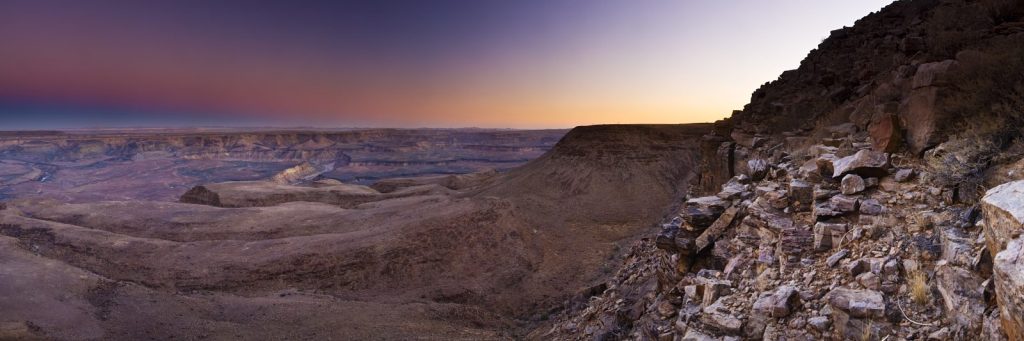
Route 5: Namibia & Botswana — Two Countries, One Adventure (16–18 Days)
This is one of our most exciting emerging itineraries, combining the best of Namibia with a deep dive into northern Botswana — perfect for travellers who want exceptional wildlife alongside rich cultural experiences.
Route Overview
Namibia: Begin in Windhoek and head north through Etosha and Damaraland.
Caprivi: Continue east along the Caprivi Strip towards the Botswana border.
Okavango Panhandle, Botswana: Cross into Botswana and explore the Okavango Panhandle — a spectacular waterway teeming with wildlife. This is also the gateway to the Tsodilo Hills, a UNESCO World Heritage Site and one of Africa’s most sacred landscapes, home to thousands of San Bushman rock paintings dating back tens of thousands of years.
Maun & the Okavango Delta: Head south to Maun, the gateway to the Okavango Delta — one of the world’s great wildlife destinations.
Return to Namibia: Cross back into Namibia via the Buitepos border crossing and return to Windhoek.
This route is as much about culture and people as it is about wildlife. The Tsodilo Hills in particular are a profound and moving experience — one of those places in Africa that stays with you long after you leave.
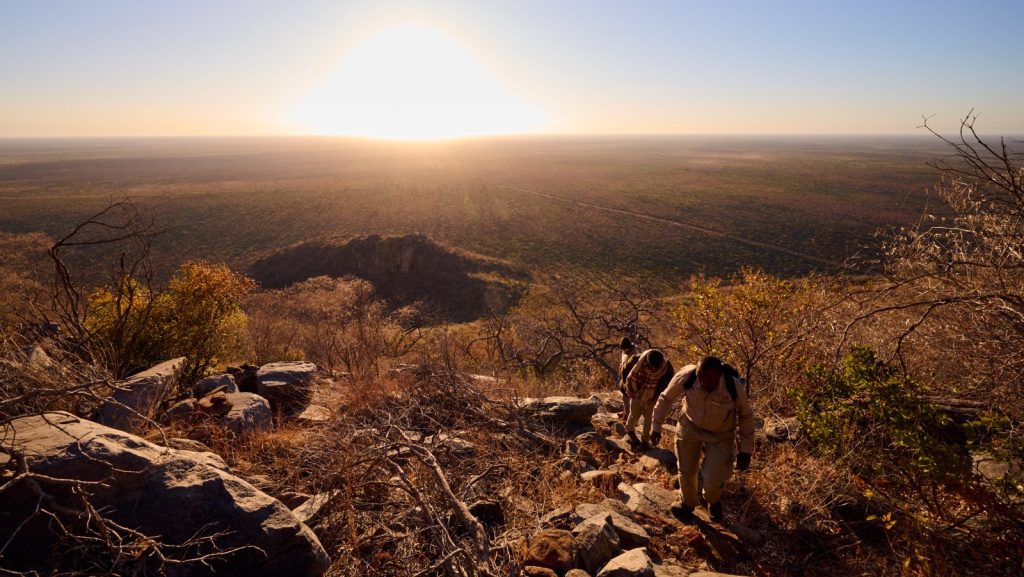
A 4×4 is essential for this route. Allow 16–18 days.
Border Crossings
Several of our Namibia self-drive routes involve crossing international borders. Your Wild Paths vehicle hire includes cross-border charges for all approved crossings. Here is what you need to know for the most common crossings.
Namibia ↔ South Africa
The most common entry point for travellers flying into Johannesburg is the Noordoewer/Vioolsdrift crossing on the Orange River, or the Ariamsvlei/Nakop crossing further east.
- Open daily, generally 24 hours at the main crossings
- UK passport holders do not require a visa for Namibia — a visitor’s permit is issued on arrival
- Cross-border documentation is included and arranged by Wild Paths as part of your vehicle hire
- Vehicle insurance covering both countries is included in your hire
Namibia ↔ Botswana (Caprivi/Kasane)
The main crossing for travellers heading from the Caprivi Strip into Botswana is at Ngoma Bridge, which leads directly into Chobe National Park near Kasane.
- Open daily — check current hours before travelling as these can change
- Botswana visa: UK passport holders receive a visa on arrival free of charge
- Cross-border documentation is arranged by Wild Paths as part of your vehicle hire
- Road permit fees are payable on entry to Botswana
- Note: if you are driving into Chobe National Park, park fees apply
Namibia ↔ Botswana (Buitepos/Mamuno)
The Buitepos border crossing in eastern Namibia connects to the Trans-Kalahari Highway in Botswana — our Namibia & Botswana itinerary uses this crossing when returning to Windhoek from the Okavango region.
- A quieter crossing than Ngoma, generally very straightforward
- Cross-border documentation arranged by Wild Paths — no need to organise separately
- The road from Maun to Buitepos crosses the Kalahari — allow sufficient time and carry extra water
Practical Tips for Self-Driving in Namibia
What to Pack in Your Vehicle
Your Wild Paths vehicle comes pre-equipped with a car fridge and two spare tyres. On top of that, we recommend:
- Minimum 5 litres of water per person — more in summer
- Snacks to top up the cool box — distances between shops can be long
- Downloaded offline maps (Maps.me or Google Maps) — your phone is pre-loaded with lodge contacts but GPS is not included in the hire
- First aid kit
- Torch and spare batteries
- Phone charger / portable power bank
- Sunscreen, hat, and insect repellent
When to Go
Namibia is a year-round destination. The dry season (May–October) is the best time for wildlife viewing, particularly in Etosha, as animals concentrate around waterholes. The green season (November–April) brings dramatic skies, lush landscapes, and exceptional birdlife. May and June offer a sweet spot of good game viewing, comfortable temperatures, and quieter roads. Please read our detailed guide on the best time to travel to Namibia.
How Long Do You Need?
Most self-drive trips to Namibia are 12–15 days. This is enough to cover the classic circuit at a comfortable pace. For extended routes involving the Caprivi Strip, Botswana, or the southern circuit, allow 18–21 days.
Plan Your Namibia Self-Drive with Wild Paths
Every Wild Paths Namibia itinerary comes with detailed driving notes, hand-picked accommodation, and direct support from Jonny throughout the planning process and while you are on the road. We have driven these routes ourselves and work with local partners who we know and trust.
Whether you are planning your first self-drive safari or looking to go further off the beaten track, we would love to help you design a trip that is right for you.
Jonny May
Founder
Wild Paths
About the Author:
Wild Paths was founded by me, Jonny May, a passionate Africa specialist with a deep-rooted desire to transform the travel industry. For the past 15 years, I’ve been fortunate enough to travel extensively across Africa. I’ve driven from Cape Town to Cairo, traversed the Sahara while leading camping safaris, and stayed in everything from community huts to the most exclusive private houses on the continent.

More From The Blog

Stargazing in Africa: A Guide to the Continent’s Night Skies
I remember the exact moment stargazing in Africa properly stopped me in my tracks. I was at Noka Camp in the Lapalala Wilderness Reserve in South Africa's...

Best Time to Visit Namibia
Month by Month Safari Guide Namibia is one of Africa’s most spectacular safari destinations, offering dramatic desert landscapes, abundant wildlife, and...

Where to See Namibia’s Best Wildlife
Namibia is a wildlife lover’s paradise, offering a unique combination of desert-adapted species, abundant national parks, and breathtaking landscapes....