
Mozambique Bush and Beach Safari
From £7,625
Per Person

Average carbon footprint per person
What We Love
A living conservation story
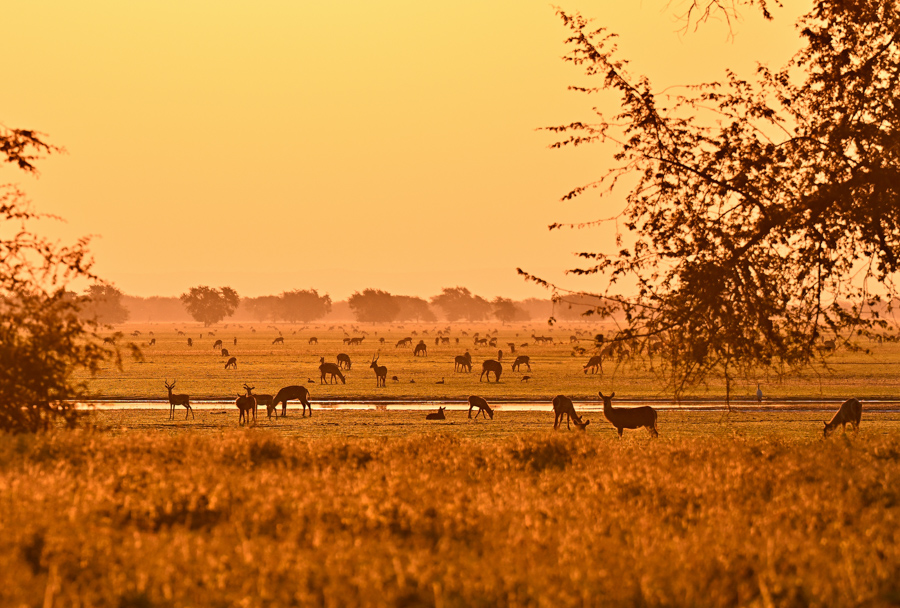
Lions on the floodplain. Elephants moving through the fever-tree forest. Wild dogs, if you’re lucky. Gorongosa was emptied by civil war, and all of this has come back. Your guides lived through the recovery, and your visit helps fund what protects it.
Safari and Beach
Five nights in the floodplains and forests of central Mozambique, then a helicopter transfer to a private beach villa on the Bazaruto Archipelago. Bush and ocean in one trip, the contrast sharp and entirely deliberate. Two places that couldn’t feel more different, and better for it.
Wild, without the crowds
Self-drive isn’t allowed in Gorongosa, so there are no convoys jostling at every sighting. You head out with a park guide who knows the ground. More often than not, whatever you find is yours alone. On safari, that kind of space is rare, and you feel it.
Arrive at Gorongosa
You fly into Beira and connect to the seat-in charter into the park, arriving at Muzimu Lodge by mid-afternoon. The camp sits on the edge of the Mussicadzi River — tents in the treeline, open bush in front. Take time to settle in before heading out on your first game drive. Gorongosa is a place that reveals itself gradually. The floodplains stretch wide, the light changes fast, and the wildlife is there if you’re patient. Sundowners out in the veld, then back to camp for dinner. A quiet start to something that will stay with you.
Wildlife and community
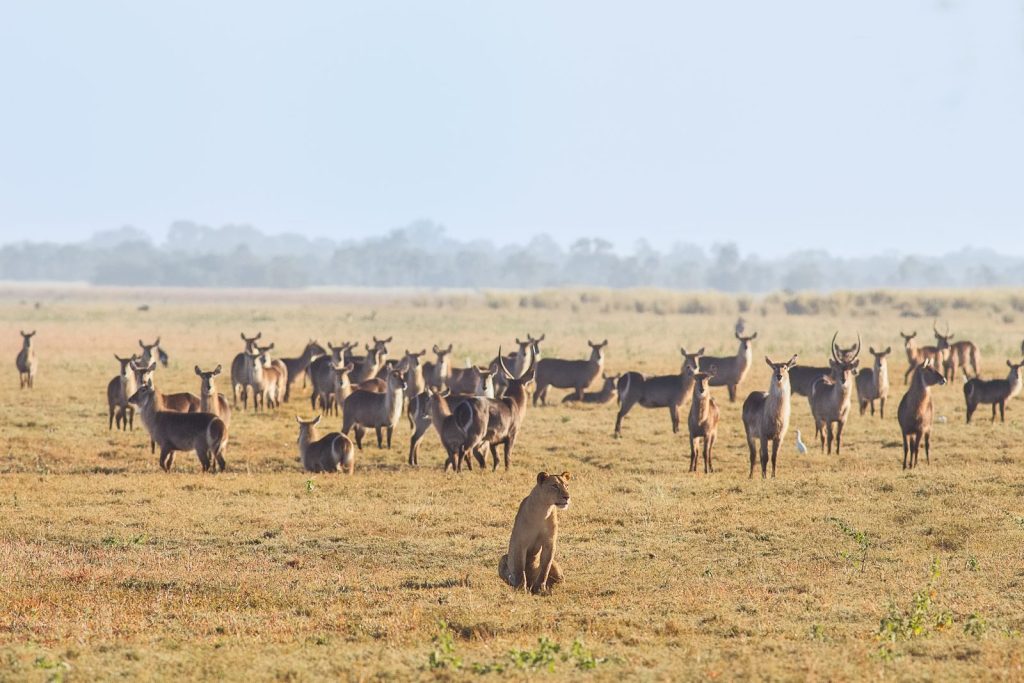
An early drive onto the floodplain first. Waterbuck gather here in their hundreds, one of the largest populations in Africa. Lion follow the herds, and elephant work the tree line. Back for lunch, then the afternoon turns to the human story behind the recovery. You visit community partners in the buffer zone — schools, Girls’ Clubs, farming and beekeeping projects — on foot and by bicycle. The park works because the people around it do. That balance is where the magic lies.
Transfer to Chicari Camp
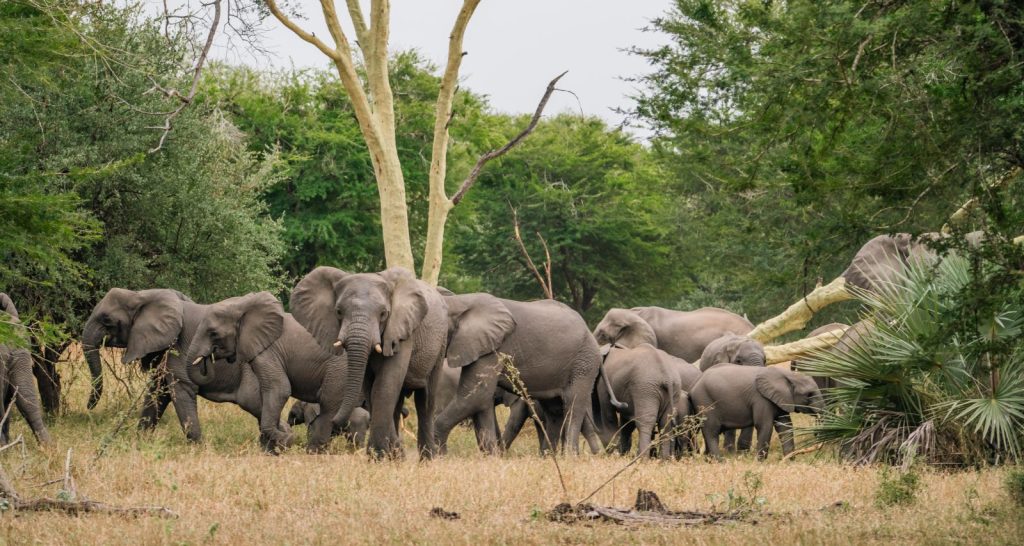
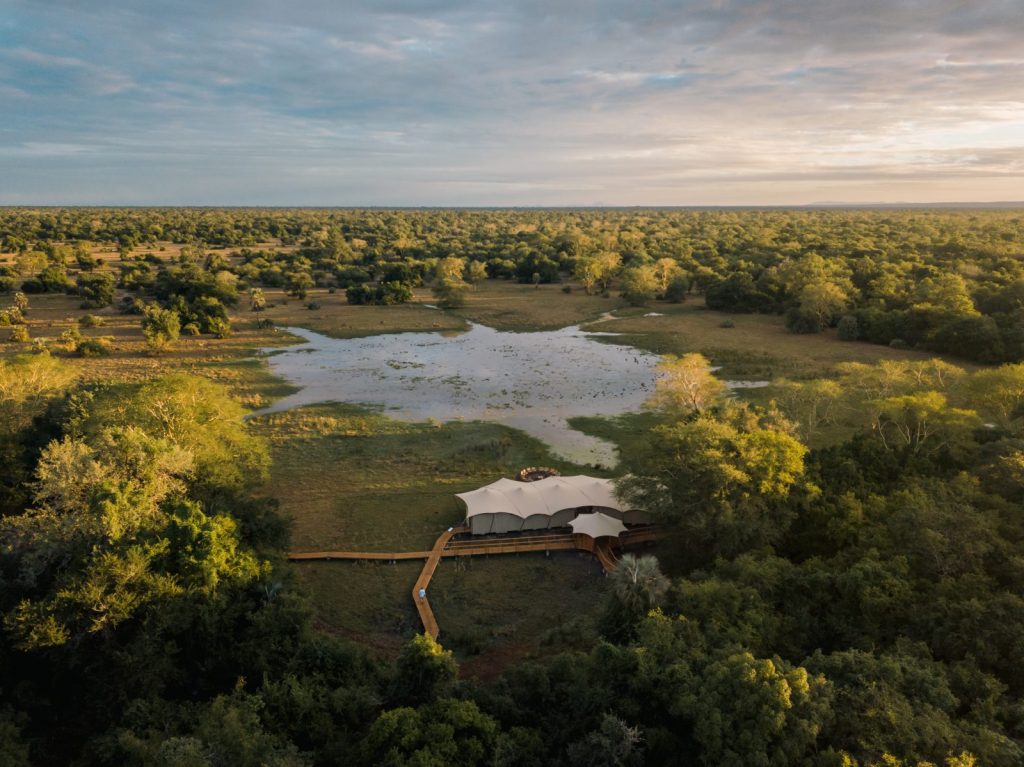
After breakfast you cross the park to Chicari, watching for game the whole way. Elephant and buffalo move through the woodland, and the open plains hold waterbuck with the lion that trail them. Chicari is the newer camp — ten expedition tents around a lounge that looks onto a busy waterhole. Wildlife comes to you here between drives. Keen walkers can take the full-day climb up Mount Gorongosa to Murombodzi Falls. If you’d rather stay with the game, an afternoon drive from camp does the job.
Pangolin conservation
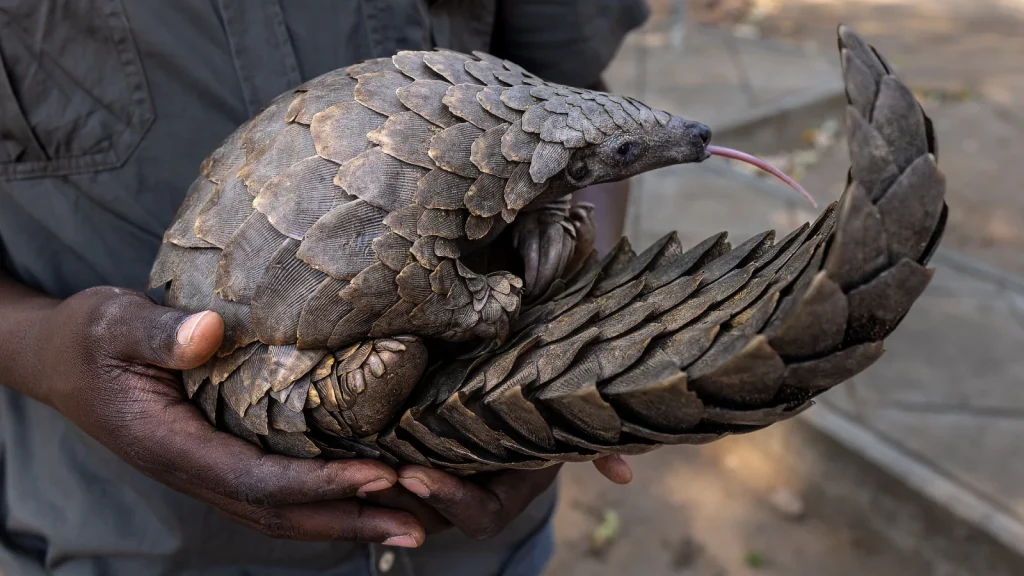
For stays of five nights or more, today brings a wildlife encounter you’ll find in few other places. You join the Pangolin Guardians, shadowing vet Mércia Angela on a foraging walk with a pangolin she’s rehabilitating for release. Watching one dig and feed at arm’s length stays with you. The park doubles as a working research station, and a short visit to the E.O. Wilson lab shows the science behind the recovery. For anyone asking where to see pangolin in the wild, Gorongosa is one of the best answers in Africa.
Last day in Gorangosa
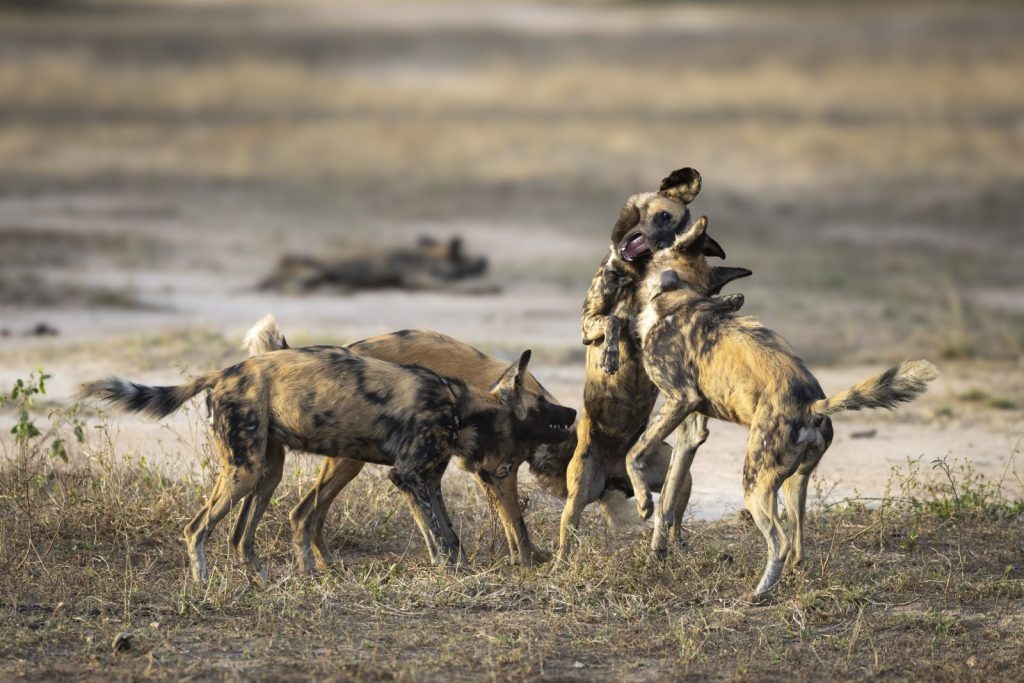
Your last full day, and time to be out in it. Morning drive or walk, then back out in the afternoon. The plains hold huge herds of waterbuck, with elephant, buffalo and hippo alongside them. Lion and wild dog both range here, recovering in numbers that seemed impossible thirty years ago. With no other vehicles around, you find things properly — no radio chatter, no queuing at sightings. Whatever you come across is yours to sit with for as long as you like.
Fly to Azura Marlin Beach
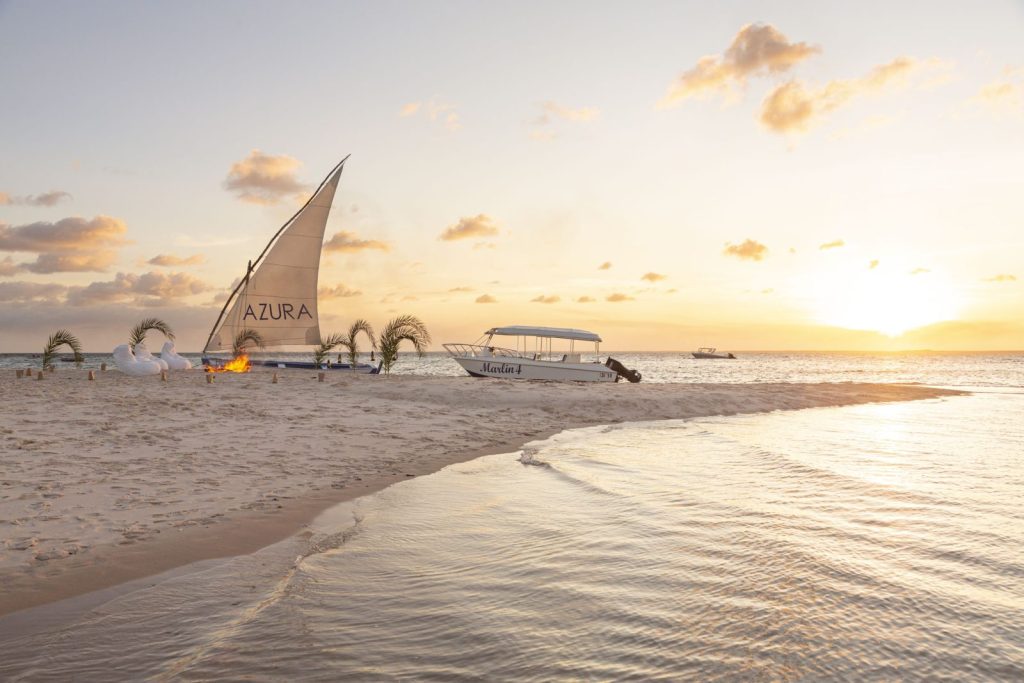
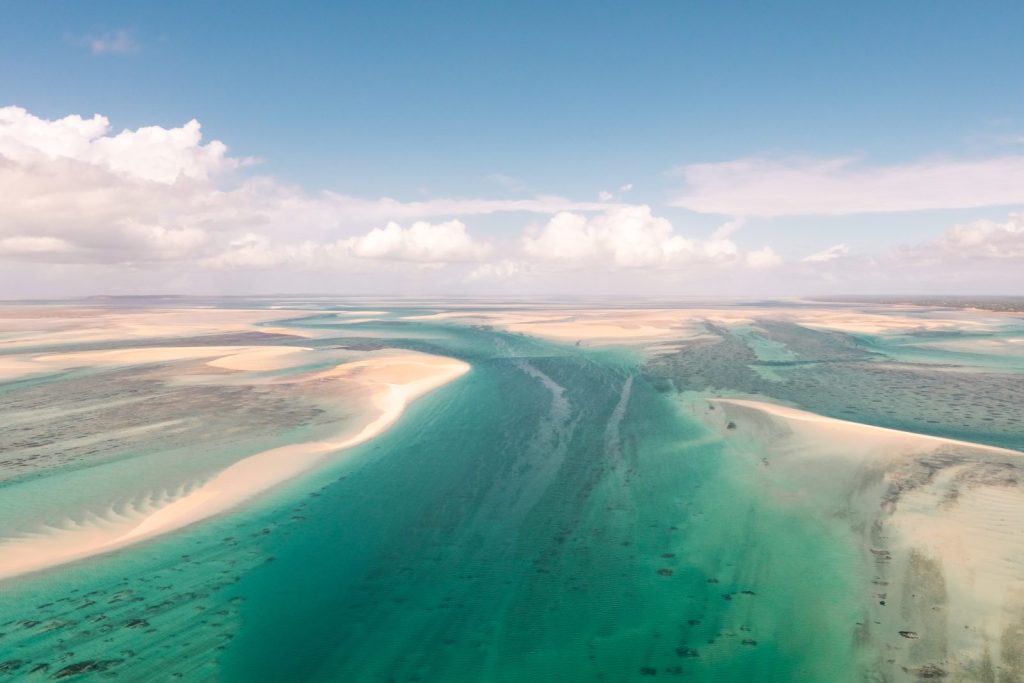
Mid-morning you leave Gorongosa on the charter through Beira to Vilanculos, then transfer by helicopter out to Azura Marlin Beach on Benguerra Island. The shift is total — floodplain and mopane woodland replaced by turquoise water and white sand. Your villa faces the ocean directly. The change of pace is part of the design, not an afterthought. After five days in the bush, arriving by helicopter over the Bazaruto Archipelago is a moment worth pausing for. This evening, a complimentary sunset dhow cruise. Let the place settle around you.
The Bazaruto Archipelago
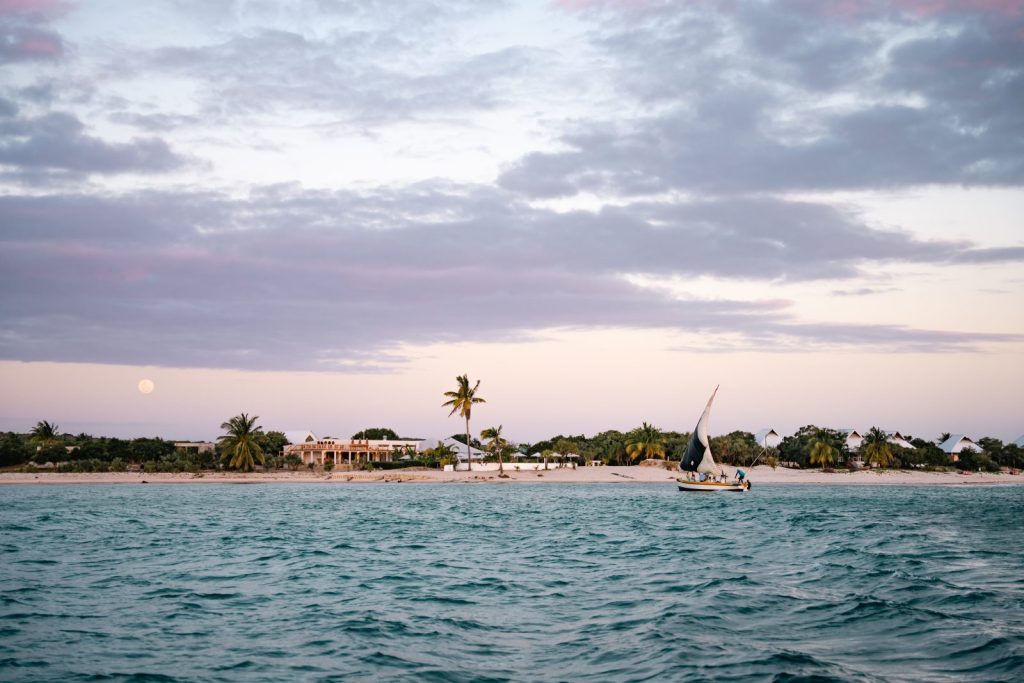
The pace drops here, and that’s deliberate. Azura is genuinely relaxed — there’s no itinerary unless you want one. The archipelago offers some of the best snorkelling in the Indian Ocean, and you can explore by kayak or paddleboard directly from the beach. The guided island-hopping day out to Bazaruto’s dunes and Pansy Island is worth doing. The Peri Peri Beach Club is open to in-house guests on Wednesdays and Saturdays. Evenings are for stargazing with a local guide. After Gorongosa, this is exactly the right gear change.
Ocean, islands and departure
For those who want more from the water, there’s diving, snorkelling at 2-Mile Reef and fishing charters available at additional cost. The seahorse conservation experience in the seagrass beds is quieter and more personal — and connects the ocean side of this trip back to the same ethos that runs through Gorongosa. On your final morning, breakfast on the beach before the helicopter back to Vilanculos for your onward flight. Mozambique has a way of sitting with you after you leave. Most people start planning a return before they’ve even landed home.
Speak to a Safari Expert...


Other Mozambique Itineraries
No itineraries found for this destination.
Why Book with Us





FAQs
Is Mozambique a good safari destination?

Mozambique is one of Africa’s most underrated safari destinations, and that’s precisely why it’s worth considering. Gorongosa National Park has undergone one of the most remarkable wildlife recoveries on the continent. You get genuine wilderness, outstanding conservation credentials, and far fewer visitors than the more established safari circuits.
When is the best time to visit Mozambique?
April through November covers both the bush and beach well. The dry season from July to September offers the best wildlife viewing in Gorongosa as animals concentrate around water. The shoulder months of April to June and October to November are quieter, often better value, and still excellent for both properties.
How do you get to Gorongosa?
Most guests fly into Johannesburg and connect to Beira with Airlink. From Beira, a seat-in charter flies directly into the park three times a week on Mondays, Wednesdays and Fridays. The charter is included in the itinerary price. International flights are arranged separately — get in touch and we’ll advise on the best routing from the UK.
How do you get from Gorongosa to Azura?
By small charter back through Beira to Vilanculos, then by helicopter out to Azura Marlin Beach on Benguerra Island. Both the charter and helicopter transfer are included in the combo price. It sounds involved but it flows well, and arriving by helicopter over the Bazaruto Archipelago is a moment in itself.
Is Gorongosa suitable for first-time safari travellers?
Yes. The guiding is excellent, the camps are comfortable without being over-engineered, and the conservation story gives the experience a depth that first-timers often find more engaging than a straightforward big-five tick-list. It’s a place that makes people think as well as look.
What is the minimum age for this trip?
Gorongosa has a minimum age of 12 at both camps. Azura Marlin Beach welcomes all ages. If you’re travelling with younger children, get in touch and we can look at alternative combinations.
Can I do this trip as a honeymoon?
Azura offers honeymoon packages and can arrange private beach dinners and other touches on arrival. Gorongosa is more expedition in spirit, which many couples find more romantic than a traditional honeymoon property. The combination works well — wild first, then beautifully relaxed.
What is included in the price?
All accommodation, meals, local drinks, game drives, guided walks, community visits, the Pangolin Guardians experience for stays of five nights or more, seasonal boating, internal charter flights between Beira and Gorongosa, the charter to Vilanculos and the helicopter transfer to Azura, sunset dhow cruise, kayaks and paddleboards. International flights are not included.
What is not included?
International flights, premium spirits and wines, gratuities, personal travel insurance, optional activities such as the Mount Gorongosa expedition, night drives, diving, snorkelling excursions and fishing charters.
How much does this trip cost?
The 10-night itinerary starts from around £7,800 per person sharing for 2027. The 12-night version, which adds two further days at Gorongosa, starts from around £8,900. Prices vary by season — July to September is high season. Get in touch for a tailored quote.
Explore Related Accommodation
No accommodations found for this destination.