
Tanzania Safari and Beach in Ruaha National Park
From £5200
Per Person

Average carbon footprint per person
What We Love
Ruaha National Park
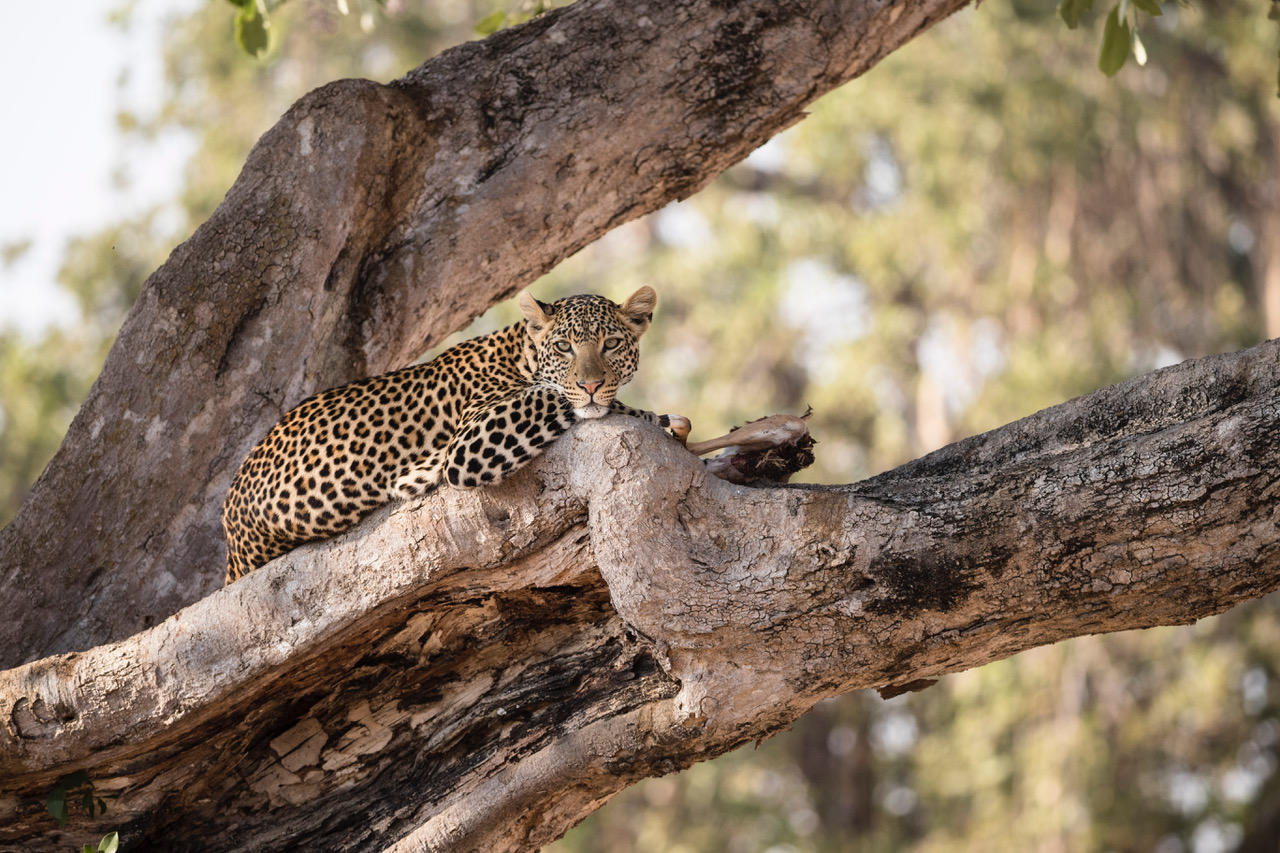
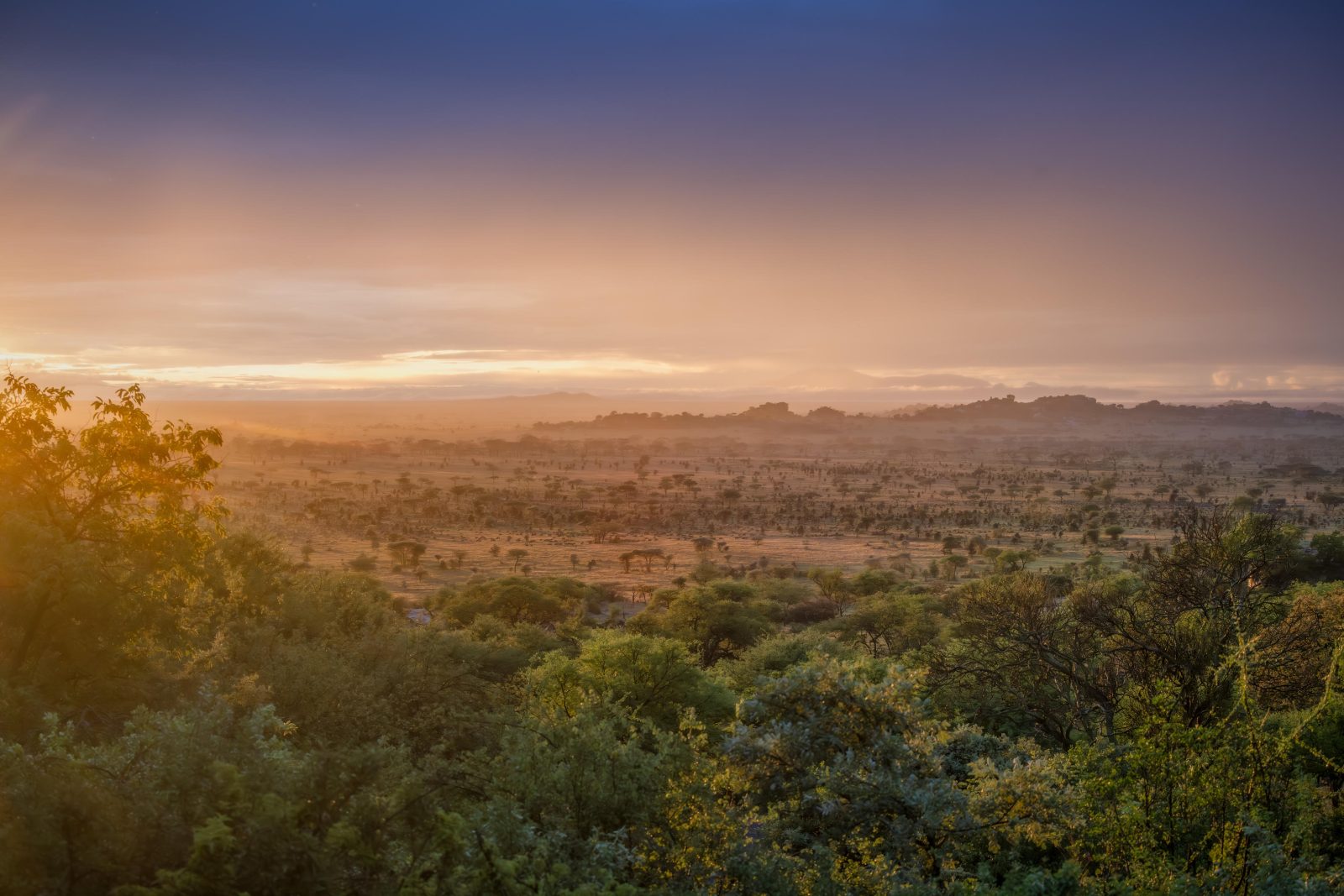
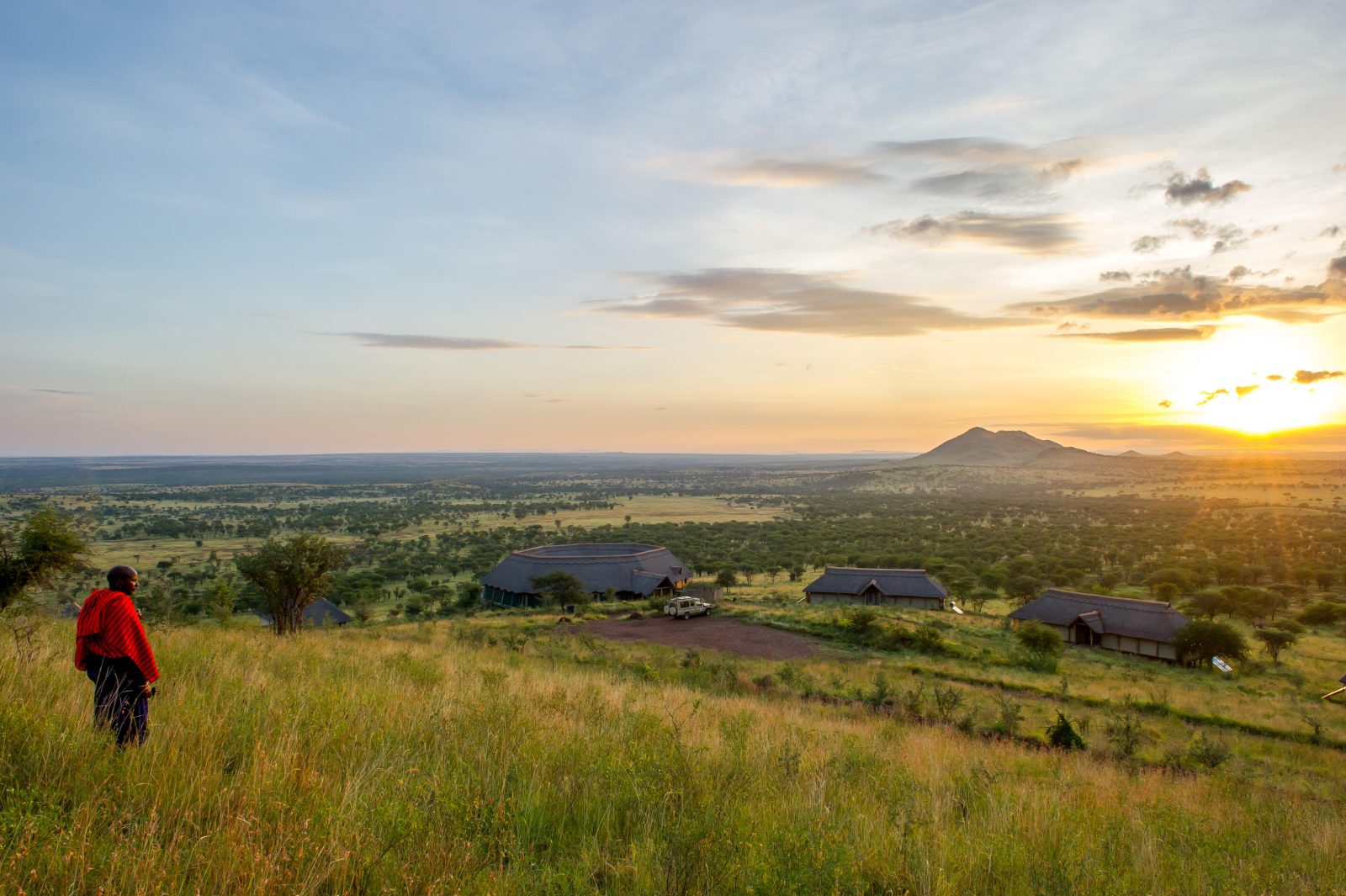
Ruaha National Park is as large as the Serengeti and Maasai Mara combined, yet receives a fraction of the visitors. There are only ten main lodges across the entire park. You won’t share a sighting with a line of vehicles here — just your guide, the bush, and wildlife that has barely learned to notice people.
Special Offers
This itinerary is a wonderful combination of two very special owner run camps in Tanzania. Ikuka Safari Camp and Fundu Lagoon have joined forces to create this special offer to save well over £1,500 per person and enjoy the wilds of Ruaha National Park and the beauty of Pemba Island.
Beach on Pemba Island
Pemba Island sits north of Zanzibar in the Indian Ocean but feels like a different world. Where Zanzibar has become busy and well-trodden, Pemba remains quiet — mangrove-fringed shores, near-empty beaches, and some of the bestdiving and snorkelling in East Africa. The reefs around Pemba drop sharply into deep water, producing extraordinary marine diversity and visibility.
Arrive to Dar es Salaam
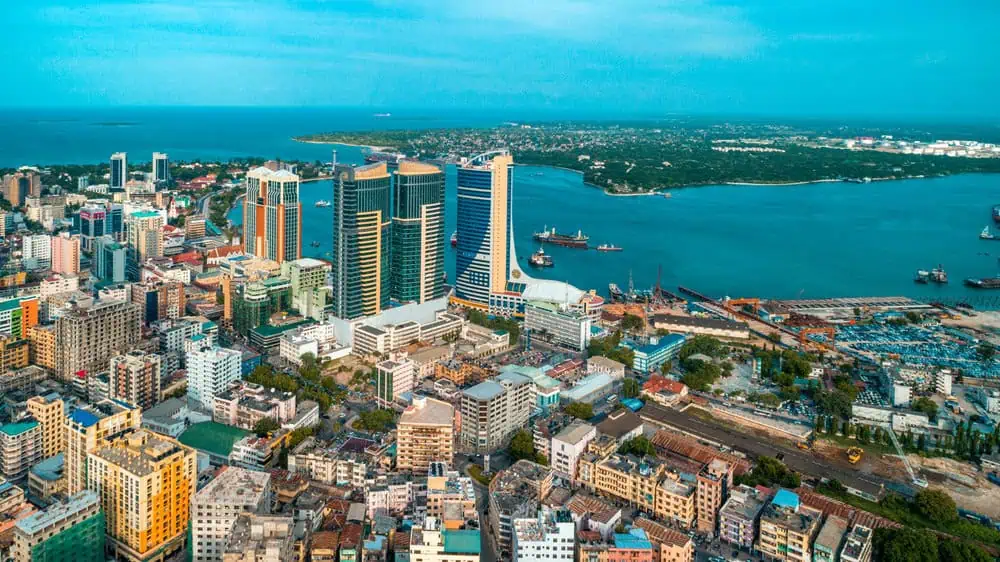
Fly into Dar es Salaam we’ll transfer to your hotel for the night. Dar is a city worth a few hours of your time — the harbour, the Kivukoni fish market, and the National Museum are all within easy reach if you arrive with energy. For most guests this is a straightforward transit night, a chance to rest after a long flight before the journey continues in the morning.
Fly to Ruaha National Park
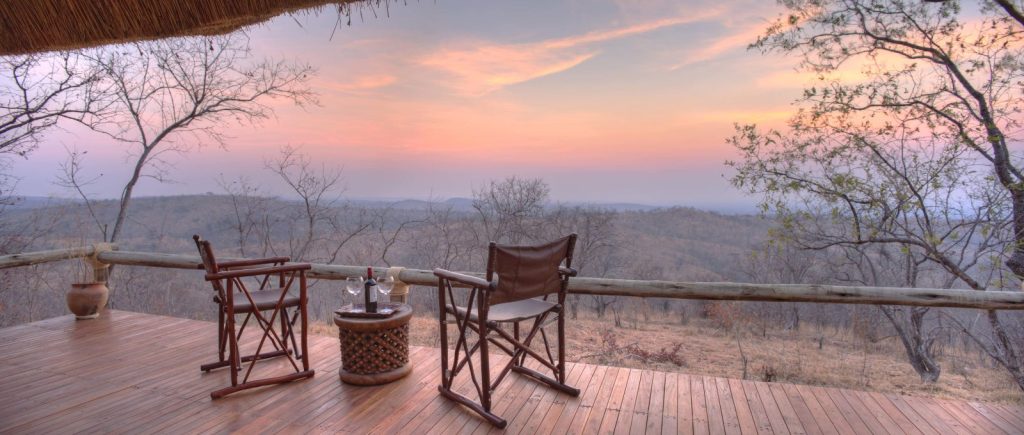
An early morning domestic flight from Dar es Salaam to Msembe airstrip in Ruaha National Park — approximately two hours in the air. It’s a beautiful flight on light aircraft as you leave the city behind, cross the agricultural fields and then enter the wilder parts of Tanzania’s interior On arrival you’ll be met your guide from Ikuka who will take you up to your base for the next 4 nights. The camp sits on a rocky escarpment above the Great Ruaha River, with wide views across the park. This afternoon you’ll head on your first game drive in Ruaha.
On Safari in Ruaha National Park
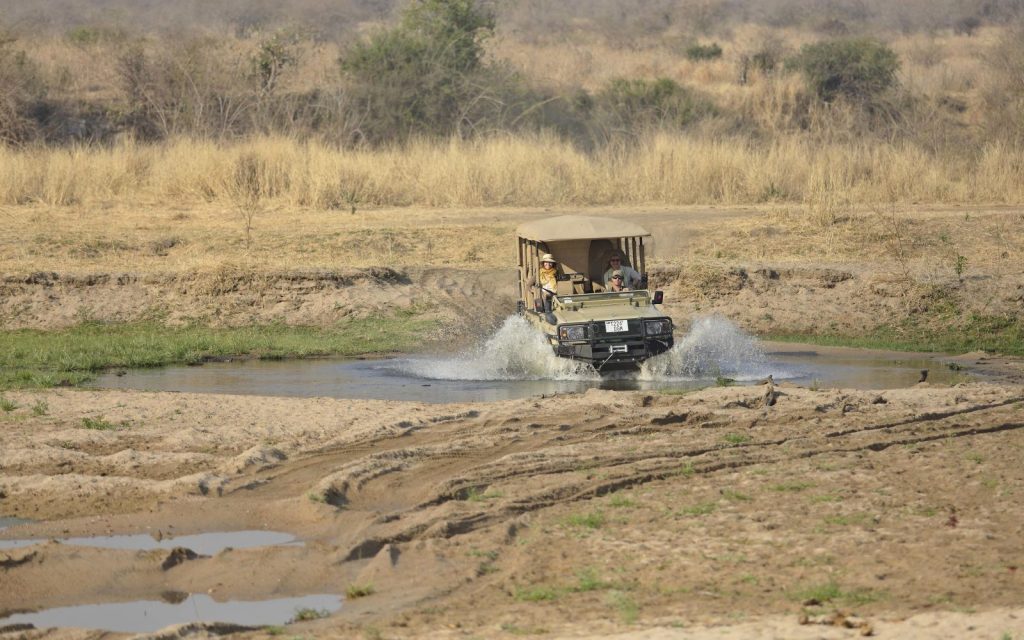
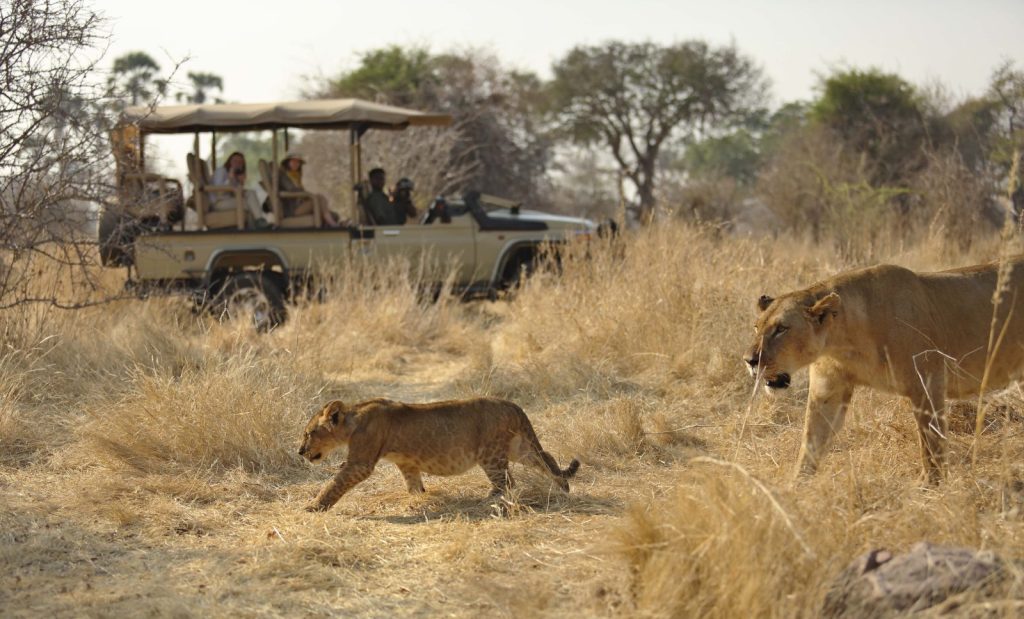
The first full day in Ruaha sets the tone. An early morning game drive departs before sunrise, with the light low across the miombo woodland and the park at its most active. Ruaha’s predator density is exceptional — lion are encountered regularly, and wild dog, leopard and cheetah are all present. Large elephant herds move between the river and the interior, and the diversity of antelope species here — greater and lesser kudu, roan, sable — is unmatched in East Africa. Return to camp for breakfast and a midday rest before heading out again in the late afternoon.
Walking Safari in Ruaha
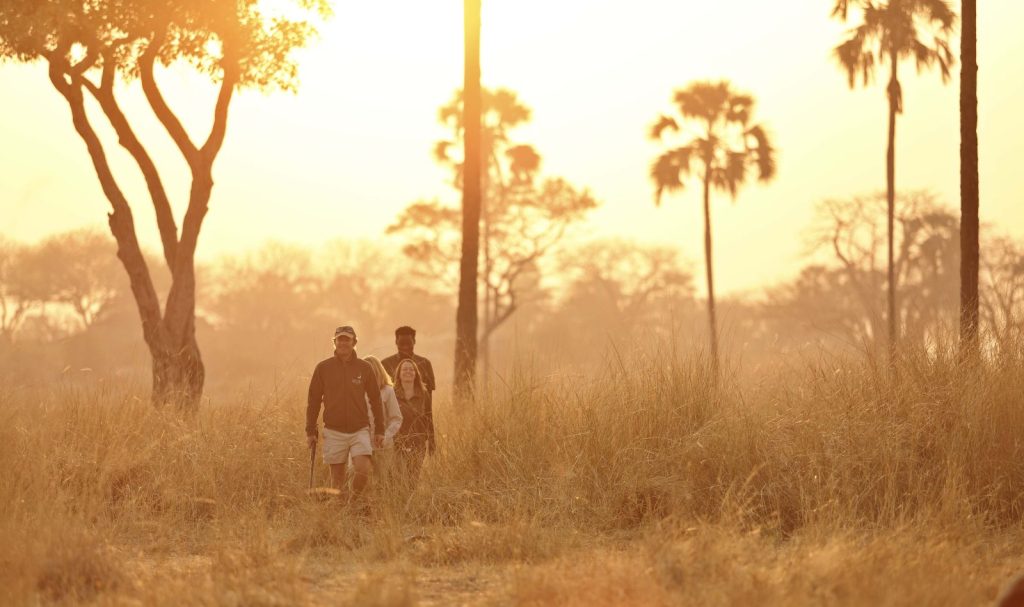
This morning you could take a walking safari withe the Ikuka team. The escarpment terrain around camp is well suited to walking – varied, rocky, and rich in detail at ground level. Your guide reads the landscape as you move through it: tracks in the dust, the behaviour of oxpeckers, the direction of the wind. Walks typically last two to three hours and cover ground that vehicles cannot reach. One of the special experiences at Ikuka is the The Rock House sleep-out. This is a great experience to sleep “out”, though in comfort and security – pre-booking required.
.
Optional Hot Air Balloon Safari
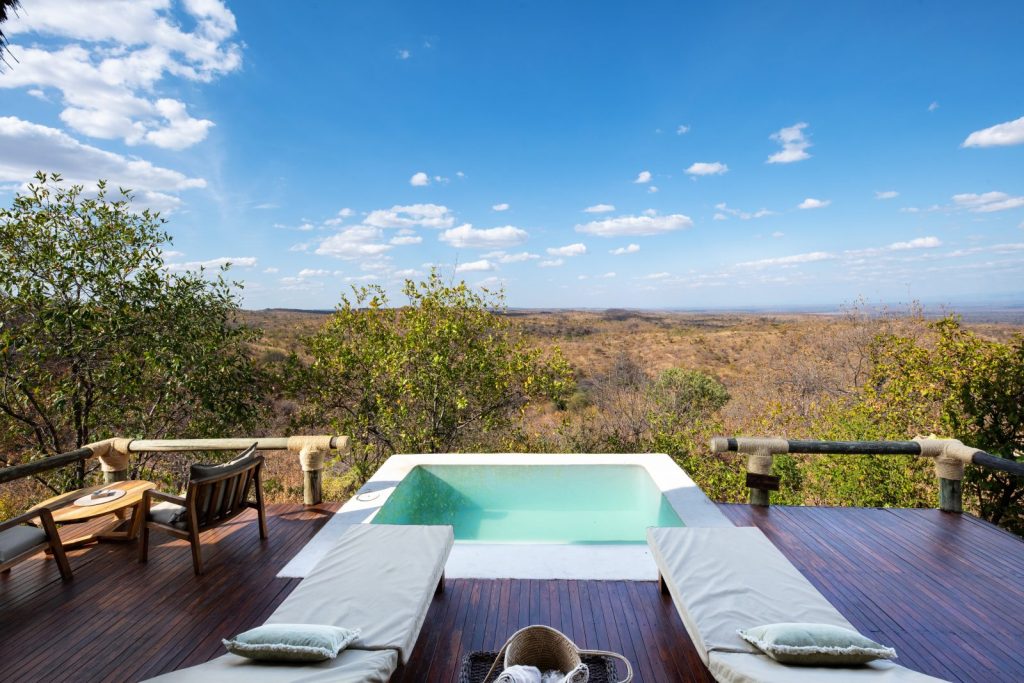
Rise at dawn and take a hot air balloon flight over Ruaha National Park. You’ll drift above the Great Ruaha River, watching elephant and buffalo herds move through the valley below. Ancient baobab trees mark the landscape, some standing for centuries. From the air, you get a real sense of Ruaha’s scale, one of Africa’s largest protected areas, with few visitors and genuine wilderness. Your pilot lands wherever the wind takes you, and the team meets you with a full bush breakfast among the acacias. You can return to camp and sit by your pool.
Ruaha to Pemba Island
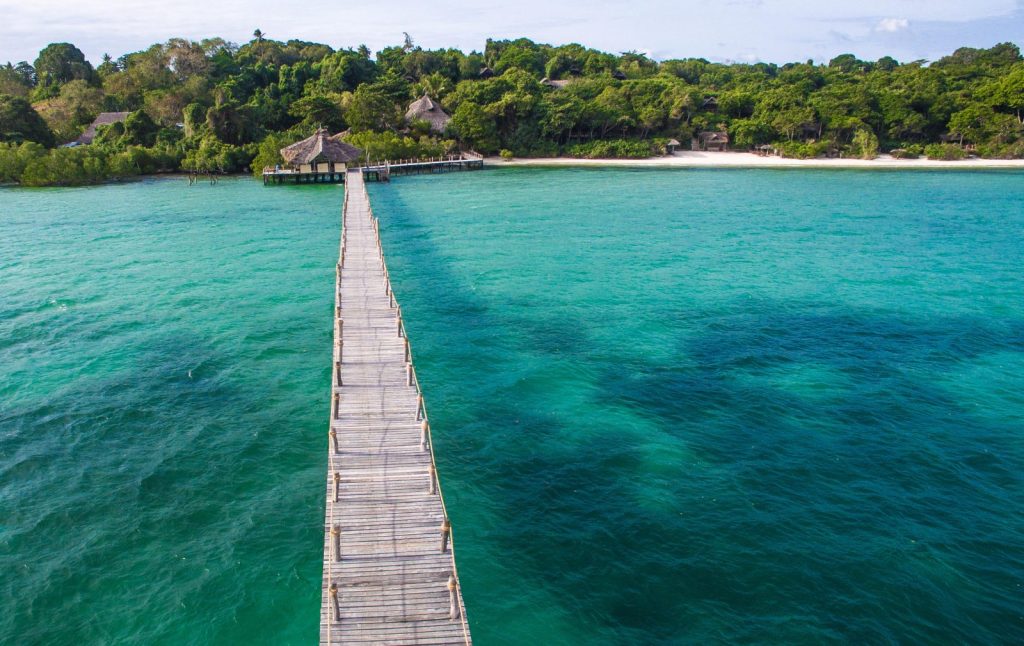
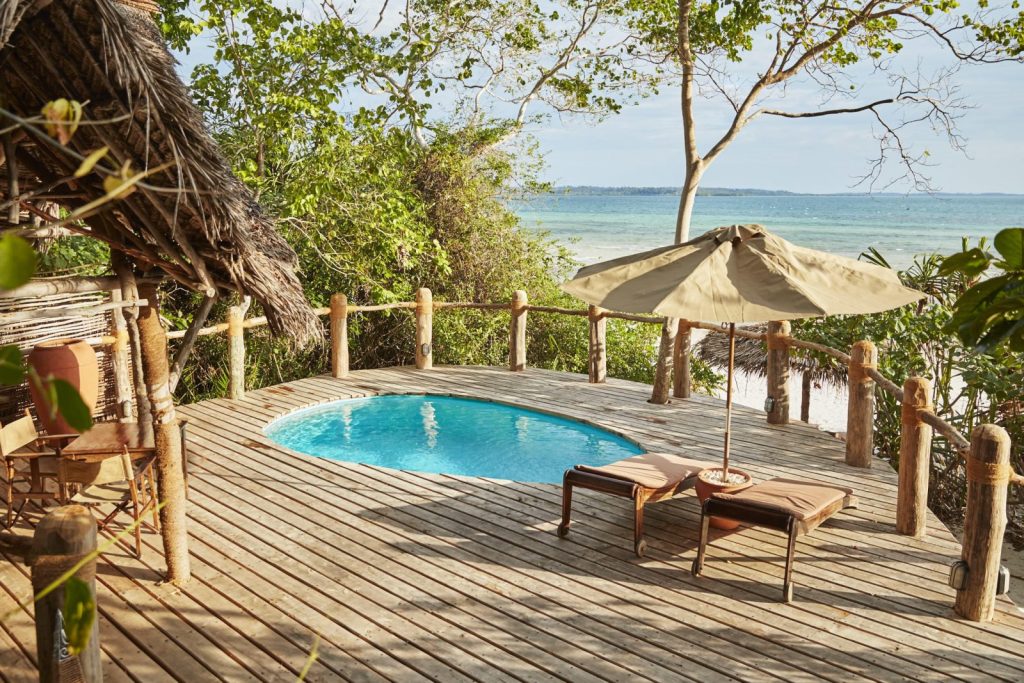
A morning game drive before transferring to Msembe airstrip for the flight back to Dar es Salaam. Connect to your onward flight to Pemba Island. On arrival at Pemba’s Karume Airport, a short transfer brings you to the water’s edge, where Fundu Lagoon’s boat collects guests for the final crossing to the lodge. The journey takes you from open savannah to the calm waters of the Pemba Channel within a single day. The property sits directly on a mangrove-fringed beach on the south-western shore — no roads in, no passing traffic. Settle into your room as the sun drops over the channel, ready to swap dust for sea air.
Relax at Fundu Lagoon
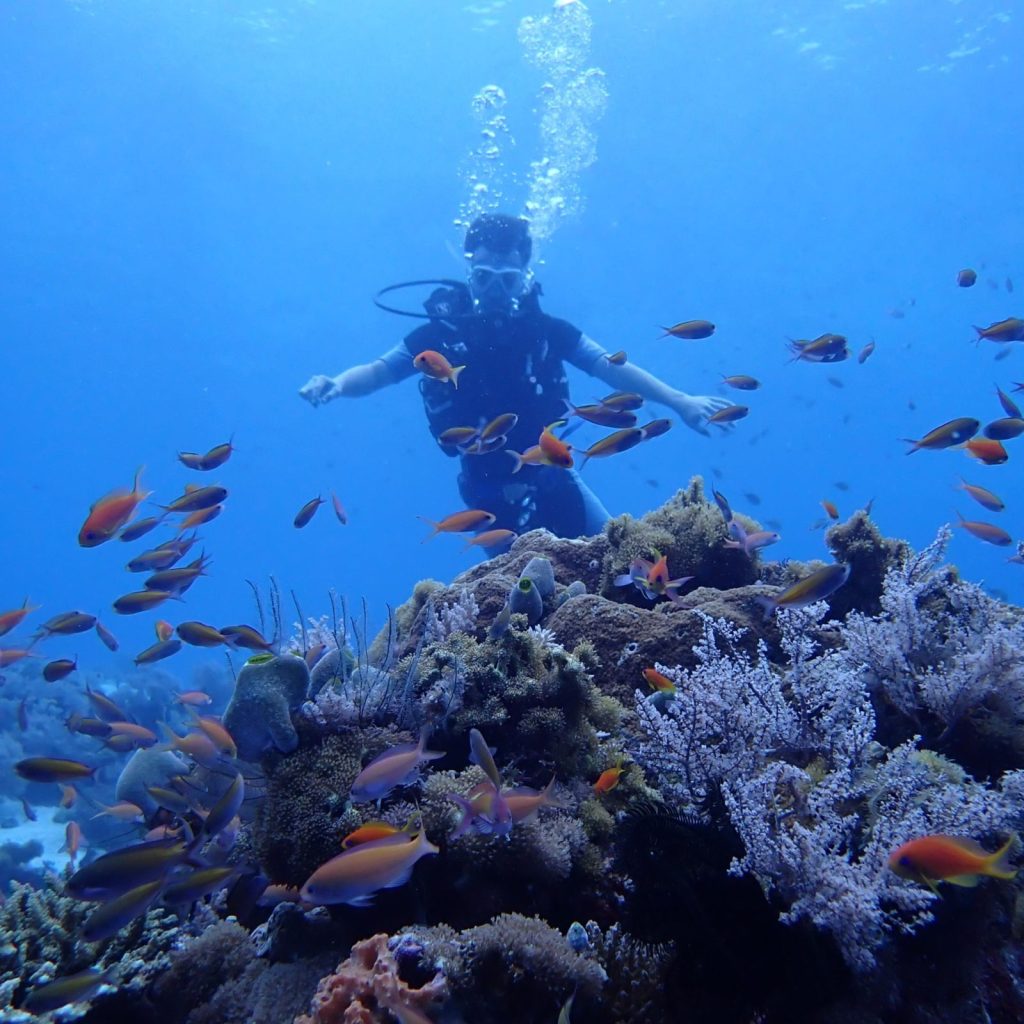
Pemba’s reefs rank among the most biodiverse in the Indian Ocean, and Fundu Lagoon’s five-star dive centre gives you the best access to them. The island borders a deep-water channel, and the upwellings here feed an extraordinary range of marine life. Snorkelling straight off the beach works well if you’re not diving. Village treks and unguided mangrove canoe safaris let you explore the island itself. Take the day at your own pace — swim, snorkel, walk, or simply settle into the lodge. After a long journey south, today gives you space to properly arrive.
Diving at Pemba
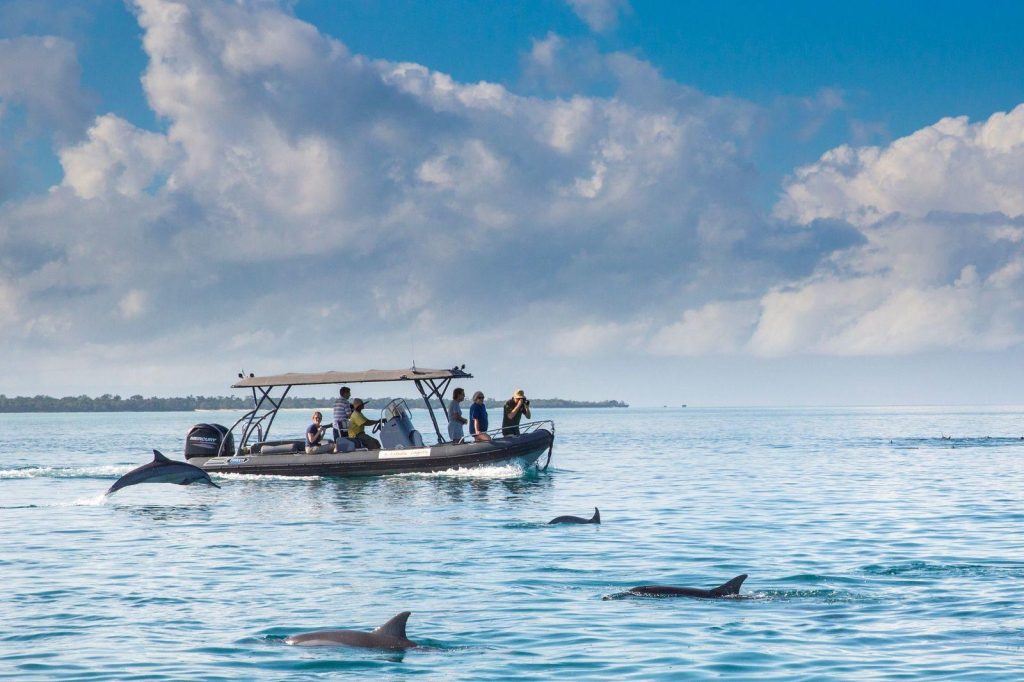
A full day built around the water. Fundu’s dive team runs two boats daily, covering wall dives, drift dives, and reef dives across every level of experience. A dolphin safari leaves from the jetty and explores the bays and channels south of the island, where spinner and bottlenose dolphins turn up regularly in open water. Non-divers can join the boat or stay closer to shore with a guided snorkel. Back at the lodge, swap stories over dinner as the day’s sightings sink in. Few places combine this quality of diving with this level of seclusion.
Final Day on Pemba
A morning dive or snorkel, then a slower final afternoon at the lodge. Fundu’s beach holds a quiet that most Indian Ocean properties have lost — Pemba hasn’t followed Zanzibar’s path, and that seclusion is a large part of what the island offers. Spend the afternoon reading on the sand, paddling the lagoon, or simply doing nothing at all. A private beach dinner can be arranged on request, set up away from the main lodge as the sun goes down. Book this ahead, since spots fill quickly. It’s a fitting close to nine days that moved from bush to ocean.
Leaving Pemba
A boat transfer takes you to the airstrip for the flight back to Dar es Salaam and your onward international connections. Over nine nights, this itinerary has covered one of Africa’s greatest and least-visited national parks, then one of the Indian Ocean’s most unspoilt islands. From Ruaha’s wide plains and balloon flights over the river valley, to Fundu Lagoon’s reefs and mangroves, the trip pairs two very different landscapes without losing its sense of place. Few itineraries manage both wilderness and seclusion this well, and Pemba sends you home with the kind of quiet that’s increasingly hard to find.
Speak to a Safari Expert...


Other Tanzania Itineraries

Luxury Tanzania safari for wheelchair users
From £5,816per person
Tarangire, Ndutu, the Serengeti and the Ngorongoro Crater
From £4,119per person

10 day adventure including time with the Hadza
From £5,895per person
Why Book with Us





FAQs
Is Ruaha National Park good for a first Tanzania safari?

Ruaha is excellent for any safari-goer, not just experienced travellers. The wildlife viewing is as good as anything on
the northern Tanzania safari circuit — lion, elephant, wild dog, leopard and cheetah are all regularly encountered —
and the absence of crowds makes every sighting feel personal.
How does Ruaha compare to the Serengeti?
This answer could be very long and is a classic conversation amongst lovers of Tanzania! Ruaha is actually bigger than the Serengeti but has a fraction of the visitors. Serengeti has the Great Migration and gets all the plaudits and attention – but it can get very busy. Ruaha is special, the wildlife is incredible, scenery is dramatic and it’s quieter! For us at Wild Paths it’s a no-brainer. Ruaha every time!
What is the best time to visit Ruaha National Park?
The best game viewing is from June to October, when the dry season concentrates wildlife around the Great Ruaha
River. The green season from December to April brings excellent birdlife. We avoid March, April and May for this itinerary.
Are walking safaris in Ruaha safe?
Walking safaris are conducted by licensed guides and Ikuka is one of a small number of camps in the park with a fully
licensed walking programme. Groups are small and walks are tailored to guest fitness and interest.
Why visit Pemba Island rather than Zanzibar?
Pemba offers a quieter, more unspoilt alternative with better diving and snorkelling. Visibility averages 20 to 40 metres,
water temperature runs at 27–28°C year-round, and the reefs remain largely uncrowded.
How do you get to Pemba Island?
By light aircraft to Chake Chake airport (PMA), then a 25-minute road transfer to Mkoani ferry port, then a 25-minute
private boat to Fundu Lagoon. Note: no flights accepted after 17:00. Luggage must be soft-sided, max 15–20kg including hand luggage.
How many nights do you recommend in Ruaha?
Four nights is the minimum to get a genuine feel for the park — covering game drives, a walking safari, the river circuits, and different areas of the park. Three nights is possible but rushed.
What is included in this itinerary
1 night Dar es Salaam
4 nights Ikuka Safari Camp – All inclusive
4 nights Fundu Lagoon – All inclusive
Internal flights from Dar es Salaam to Ruaha and Rauha to Pemba.
All park fees, safaris, meals and most drinks
Explore Related Accommodation


Zanzibar Archipelago

Serengeti National Park

Serengeti National Park