
Tanzania Classic Accessible Safari
From £4,119
Per Person

Average carbon footprint per person
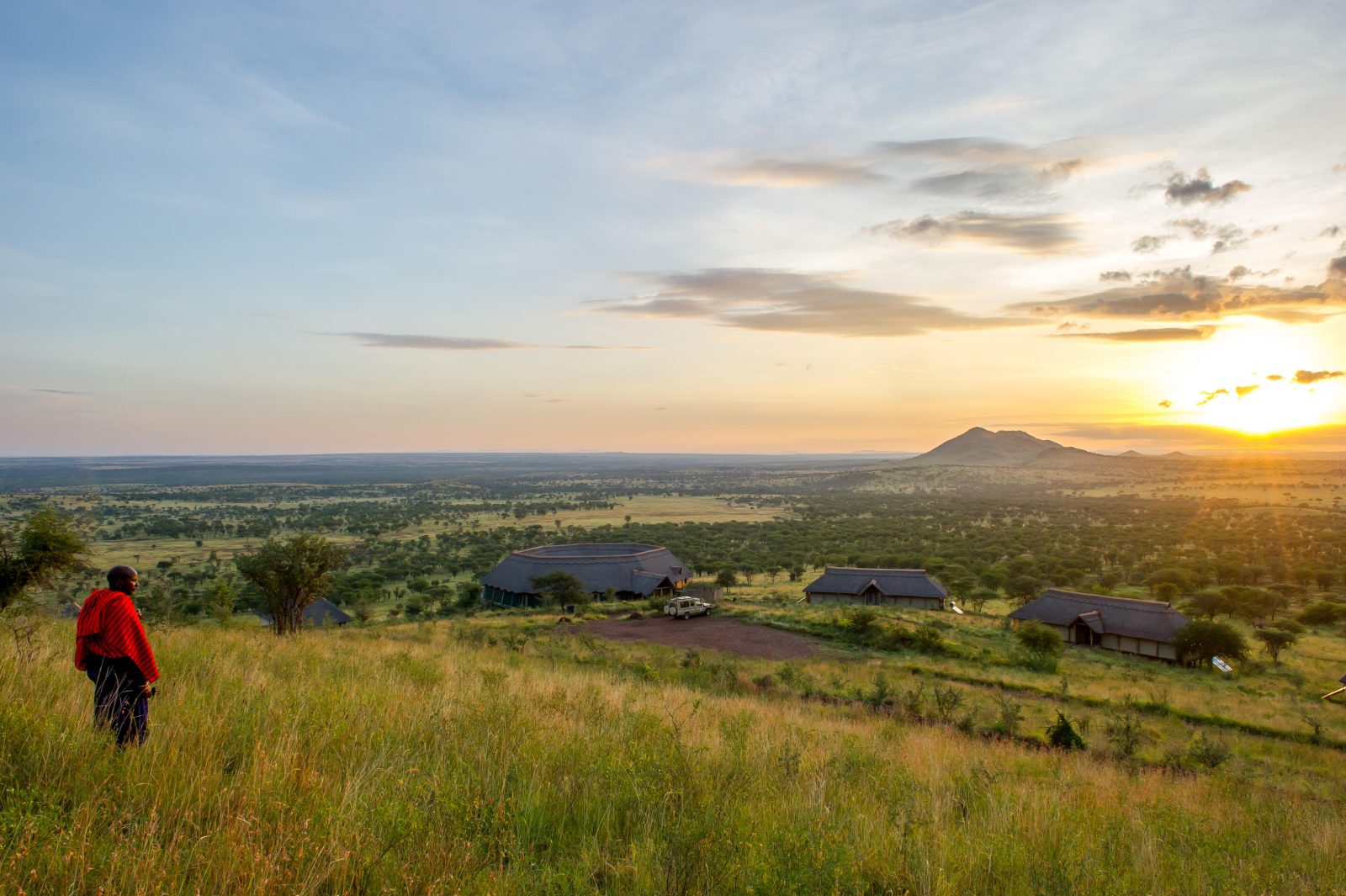
What We Love
The Vehicle
The same adapted Toyota Land Cruiser we use on every wheelchair accessible safari in Tanzania, private throughout. Rear seating removed for a secure wheelchair space, with a wide ramp that travels on board, so boarding works at every stop. Stay in your chair with a four-point strap system or transfer to a seat — your choice. Your guide assists with boarding, airport to airport.
Serengeti Safari
Lion and leopard along the Seronera river lines, cheetah on the open plains, and two full days to find them at your pace. The drive in from Ndutu counts as safari in its own right, and everything happens from the vehicle — no walking, no terrain transitions. Morning drives, a hot lunch back at the lodge (or a picnic on safari), out again in the afternoon. The rhythm of the day is up to you and your guide.
Accessible Lodges
Every lodge comes from a verified accessibility portfolio, and we give you the caveats as readily as the selling points. Ndutu’s paths are sandy. Kubu Kubu’s walkways sometimes need an assisting push. Farm House has gravel between some cottages and the farmhouse. Grab rails and shower chairs are arranged on request (at some properties), and your specific room is confirmed with each lodge before you travel. That honesty is what makes it work.
Arrive in Arusha
Your guide meets you at Kilimanjaro International Airport for a private accessible transfer to Moivaro Lodge, a coffee-estate property with ground-level bungalows and short garden paths. Time to rest comes first if you need it. Then the afternoon is yours: a seated Tingatinga painting workshop with a Tanzanian artist, sunset drinks at a rooftop bar reached by lift with views of Mount Meru, or a visit to Shanga — a social enterprise where artisans with disabilities craft glassware and jewellery from recycled materials. All three options are step-free. Dinner is at the lodge.
Tarangire and Karatu
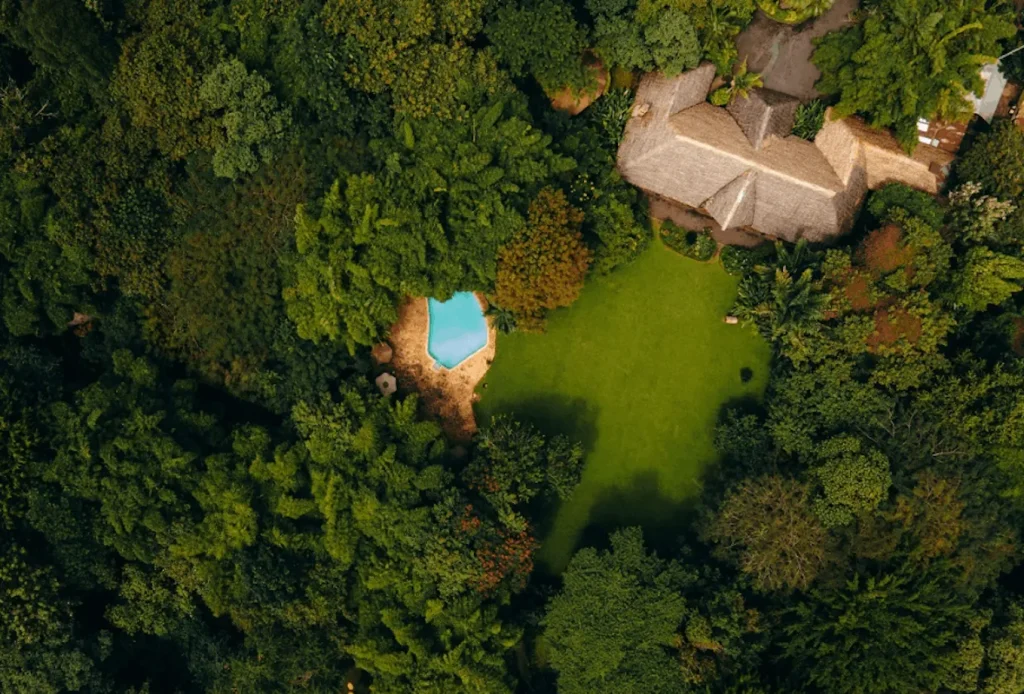
This morning you’ll visit the beautiful Tarangire National Park. We love Tarangire at Wild Paths due to its elephant numbers, beautiful baobabs, fewer visitor numbers and big wild spaces. The elephants move between the river and the baobab plains in numbers you’ll struggle to count, with lion, giraffe and buffalo sharing the park. Game viewing happens entirely from the vehicle, the ramp on board for any stop. In the late afternoon, drive on to Ngorongoro Farm House in Karatu — a flat coffee estate with ground-floor cottages and easy access from vehicle drop-off to room. Grab rails and adapted bathroom setups are available on request.

The Ndutu Plains
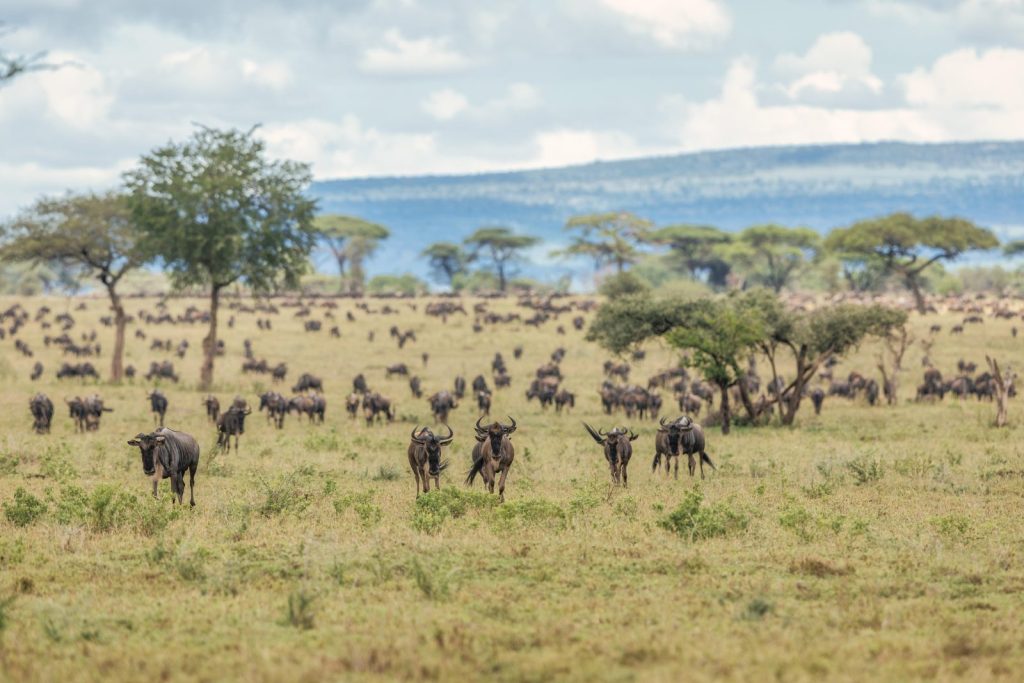
Wildebeest and zebra own Ndutu for part of the year. In January and February the migration herds gather here to give birth, and predators follow close behind. Outside those months the plains still hold resident game — this is fine cheetah country. The drive from Karatu takes 3.5 to 4.5 hours through the Ngorongoro Highlands, entirely vehicle-based, with comfort stops arranged as needed. Ndutu Safari Lodge sits inside the wildlife area itself: stone cottages on level ground, dining and lounge close by. Paths between cottages are sandy rather than paved, and staff assist. In the evening, sundowners by the campfire, a few level metres from the lounge.
Ndutu to Central Serengeti
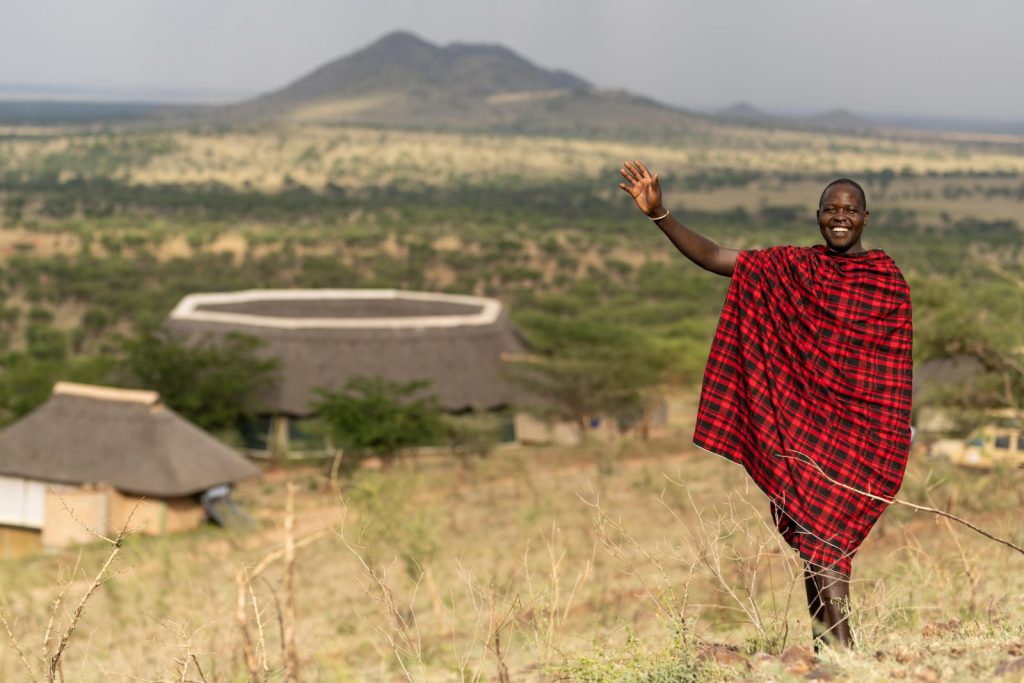
Game viewing starts the moment you leave Ndutu. The drive into the central Serengeti is a safari in its own right — gazelle and giraffe on the open grassland, big cats where the kopjes break the plains. Stops for rest and viewing are made at safe, accessible points. Kubu Kubu Tented Lodge is the night’s base: tented suites with ramp-assisted access and tents placed close to the pool, bar and dining hub. Raised walkways connect parts of the camp, and staff assist where a push is needed. Terrain between sections is natural, not paved — we’d rather you know.
The Serengeti National Park
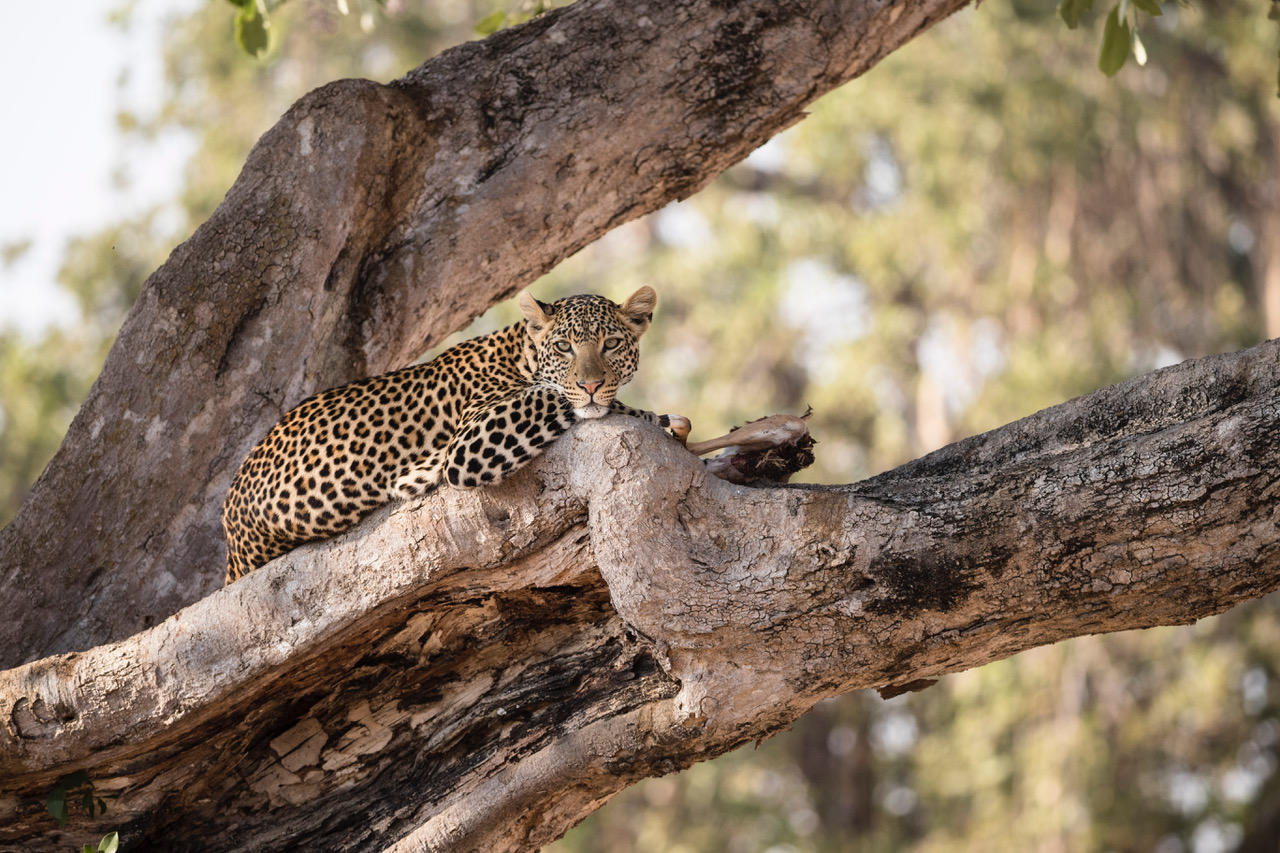
Lion and leopard headline the Seronera area, the leopard draped in sausage trees along the river lines, cheetah hunting the open plains. The day is built around your pace: a morning game drive while the light is low, back to Kubu Kubu for a hot lunch and a rest, out again in the afternoon. Or a single longer drive. Or a slower day entirely. Your guide reads your energy as closely as the wildlife and adjusts hour by hour. The lodge’s central layout makes pausing easy — suites sit close to the shared spaces, so a rest doesn’t cost you the afternoon.
Ngorongoro Crater
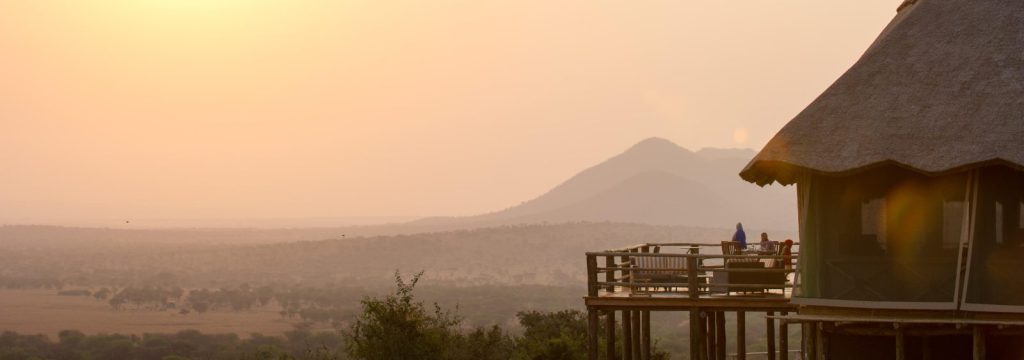
The Ngorongoro Crater floor holds one of the densest concentrations of wildlife in Africa — lion, elephant, hyena and, with luck, black rhino, all viewed from the vehicle on a road network well suited to accessible travel. The drive from the Serengeti to the crater gate takes 3.5 to 4.5 hours. A private picnic permit can be arranged at a reserved, ranger-approved site away from the crowded public stops, with a table-and-chairs setup where possible. In the afternoon, ascend the crater rim and return to Ngorongoro Farm House, back to its flat grounds and ground-floor cottages.
Coffee and Departure
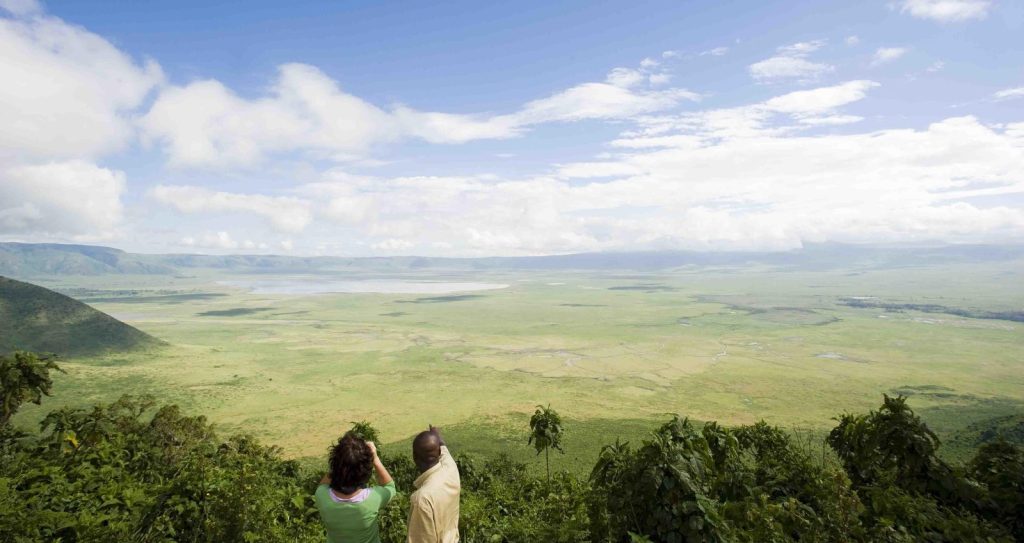
A slow start. After breakfast, visit a family-owned coffee farm near Karatu for a seated tasting and a look at how Tanzanian Arabica is grown, harvested and roasted. One honest note: the farm paths are slightly uneven for the first 50 to 100 metres from the vehicle; after that, everything is enjoyed seated. Then a private accessible transfer to Kilimanjaro or Arusha Airport, with an optional step-free lunch stop in Arusha if flight times allow. If you want the beach, the trip extends to Zanzibar — ask us.
Speak to a Safari Expert...


More Tanzania Safaris

Luxury Tanzania safari for wheelchair users
From £5,816per person
Ruaha and Pemba Island Safari and Beach
From £5200per person

10 day adventure including time with the Hadza
From £5,895per person
Why Book with Us




How much does a wheelchair accessible safari in Tanzania cost?

This seven-day itinerary costs £4,119 per person, based on two sharing, excluding international flights. That covers the private adapted vehicle, your guide, all park and conservation fees, accommodation, and meals as listed day by day. Accessible safaris cost more than their standard equivalents — the adapted vehicle and the planning behind it are real costs — but this route keeps the total down with mid-range lodges. The saving is in where you sleep, never in how you travel.
What's included in the price?
- Accommodation at lodges selected against your accessibility requirements
- All meals as listed in the itinerary
- Private transport in the adapted, wheelchair-friendly Toyota Land Cruiser (7-seater)
- A professional English-speaking guide/driver throughout
- Individual safari planning tailored to your mobility requirements
- Room allocation confirmed with each lodge before travel
- National park entrance and conservation fees
- All listed activities and excursions
- Unlimited mineral water on game drives and transfers
- Government taxes and VAT
- 24/7 in-country support
What's not included?
International flights, visa fees, travel insurance (required, with medical and evacuation cover), drinks beyond the bottled water in the vehicle, personal expenses, optional activities, and tips — the guideline is USD 25–30 per day per group, at your discretion.
How do I board the safari vehicle?
Via a wide rear ramp built to a safe slope, with your guide assisting. The ramp travels in the vehicle, so it works at every stop, not just the lodge. Once aboard, you can stay in your wheelchair — secured with a four-point strap system — or transfer to a seat.
Are the lodges fully wheelchair accessible?
Honestly: no bush lodge in Tanzania matches a city hotel standard, and anyone claiming otherwise is selling. These lodges offer ground-floor rooms, level main areas and staff briefed to assist. Some bathrooms are adapted on request — grab rails, shower chairs, raised toilet frames — rather than built in. We confirm your specific room and setup with each lodge before you travel.
Can my companions or carer travel with me?
Yes. The Land Cruiser seats up to four, so a partner, family or a carer travel together in the same private vehicle. Pricing is per person based on two sharing; ask us about solo and group rates.
When should I travel to Tanzania?
Year-round, though we tend to avoid April and May due to the rains.. January and February add the calving season at Ndutu. June to October brings the dry season, when wildlife concentrates around water.
Can I tailor this trip?
Yes — this itinerary is a starting point, not a fixed departure. Add nights, swap lodges, slow the pace, or build in rest days. Every accessible safari we plan is adjusted around your mobility needs, your travel dates and the wildlife you most want to see. Tell us what matters and we’ll shape the route around it.
Can I extend to Zanzibar?
Yes. A few days on the coast is a natural way to finish, and the flight from Arusha is short. One honest note: not all the beach properties we work with currently offer an adapted vehicle, so we’ll guide you towards the ones set up properly for accessible transfers and stays. Ask us and we’ll build the extension in.
Explore Related Accommodation


Zanzibar Archipelago

Serengeti National Park

Serengeti National Park