
Women’s Elephant Conservation Safari
£9,750
Per Person

Average carbon footprint per person
What We Love
Women - Only Conservation Adventure
This truly unique women-only safari to Kenya offers the opportunity to explore some of the country’s most remarkable landscapes while travelling with purpose. Travelling with a group of like-minded women creates a unique atmosphere that is empowering and supportive. Where new friendships become as memorable as the destination itself. For those travelling solo, it’s an ideal way to experience adventure without travelling alone.
Deep Dive into the World of Elephants
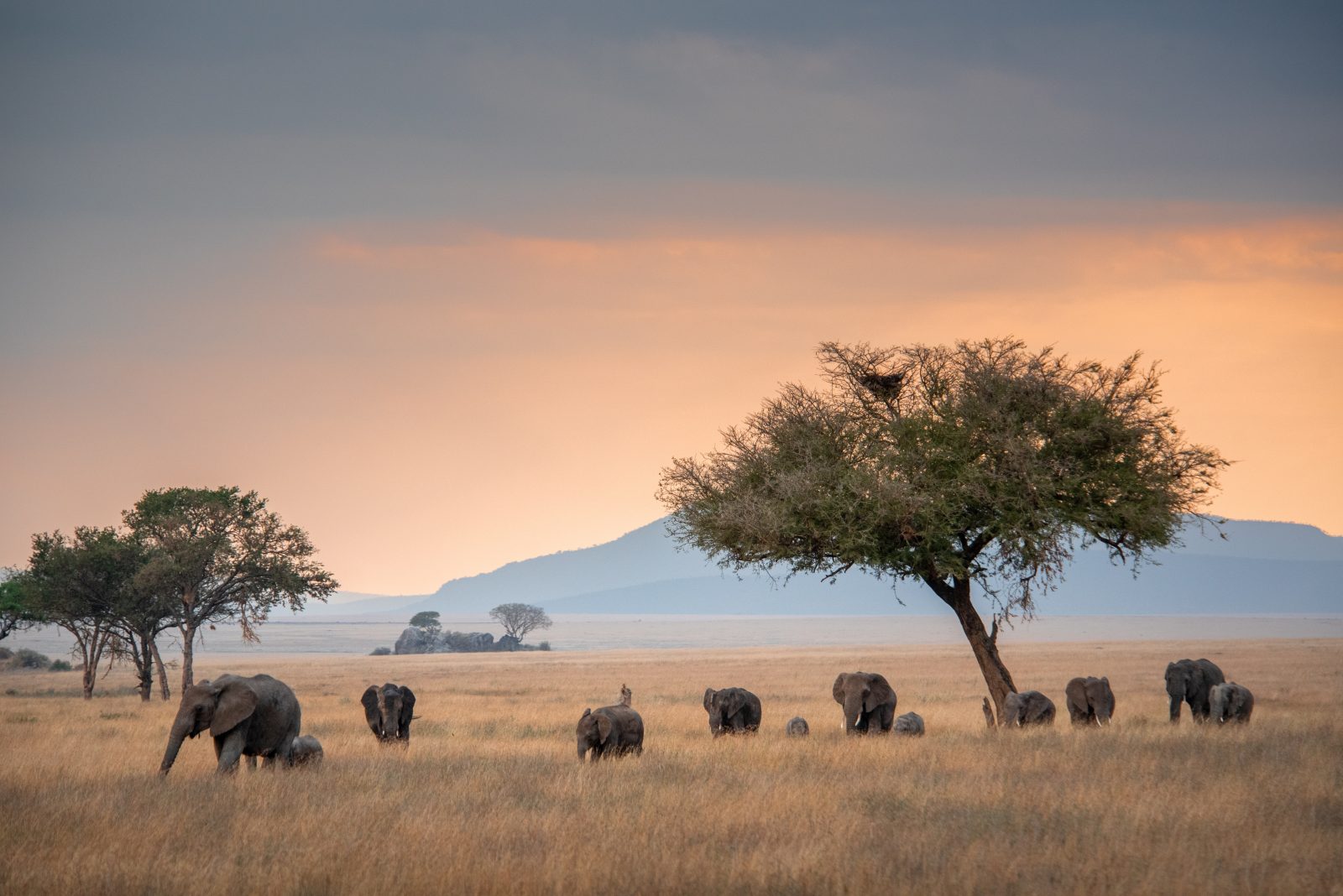
From Samburu to Tsavo East, this adventure offers a rare insight into the lives of Africa’s elephants and their part in the ecosystems we visit. Spend time with expert guides who work closely with researchers, learn about elephant family structures and behaviour, and visit important research and rehabilitation centres where decades of work have helped deepened our understanding of and helped to protect these remarable animals.
Hosted by Kim Messervy-Evans
Our women’s group safaris are hosted by Kim Messervy-Evans, who spent a decade living in Kenya and South Africa, qualifying as a guide in each and managing safari lodges in Masai Mara, Amboseli and Kruger. While the local experts lead the guiding, Kim will host your throughout sharing her deep passion for conservation, animal behaviour and her time in the bush.
Arrive in Nairobi
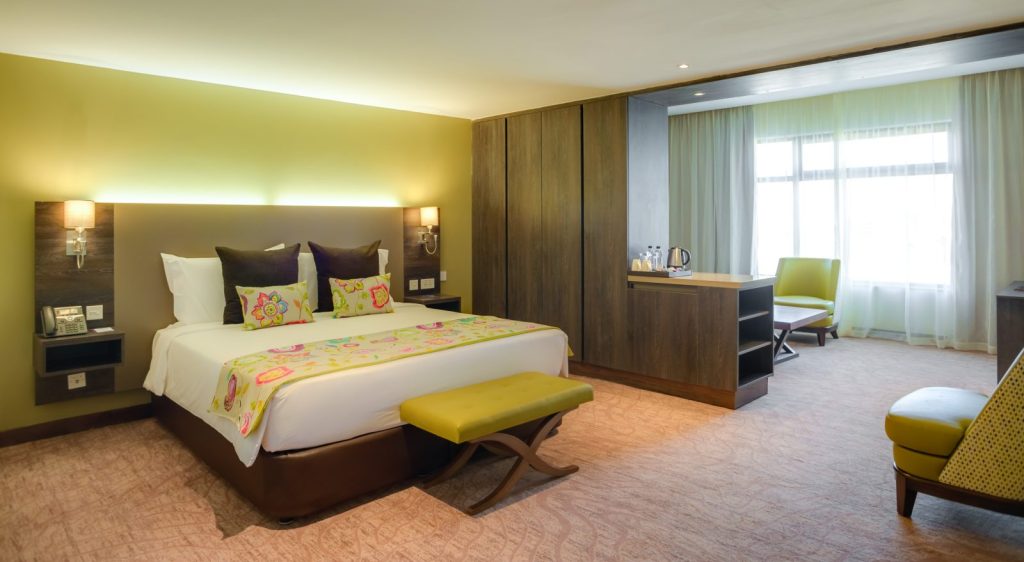
On arrival at Jomo Kenyatta International Airport, you will be met and assisted through immigration before being introduced to your host for the week. Transfer to your hotel, where this evening is yours to relax after your journey and meet the rest of the group before the adventure begins. Enjoy dinner at your leisure, taking time to absorb the anticipation of the days ahead. Overnight at Tamarind Tree Hotel, ideally situated between Nairobi National Park and Wilson Airport, offering a comfortable and convenient base for your onward journey into the wild.
Fly to Samburu National Park
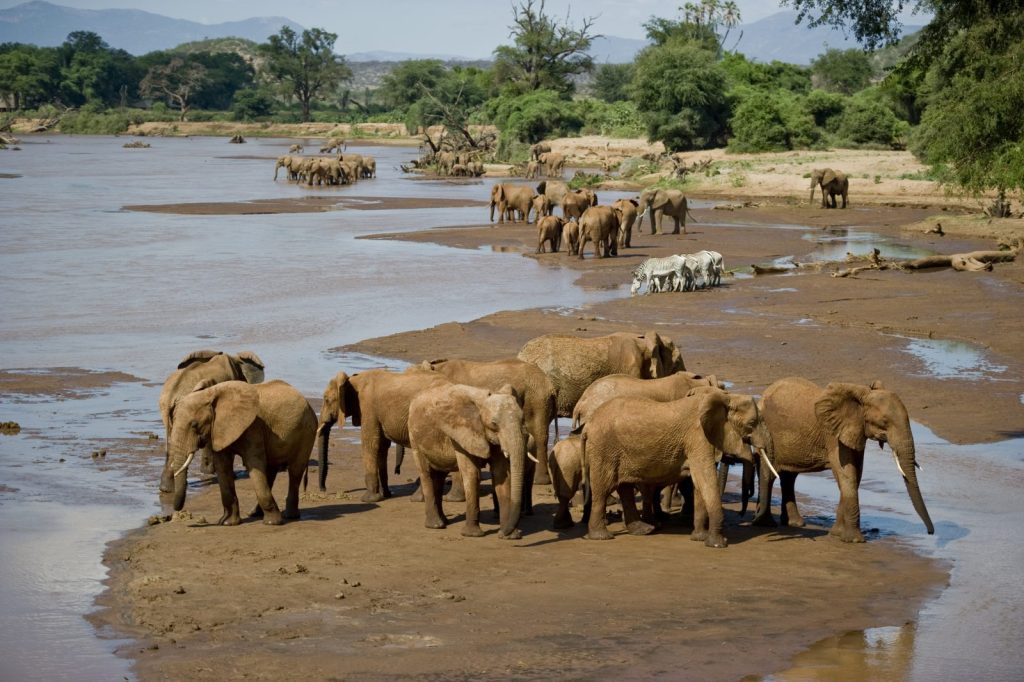
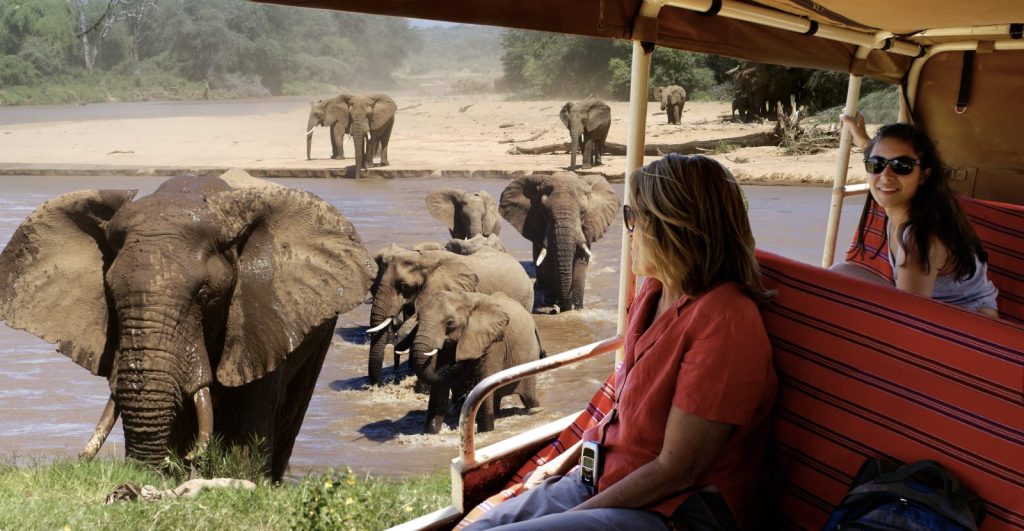
This morning, board a private charter flight for a scenic bush journey to the magical Samburu National Park. On arrival, a representative from Elephant Watch Camp will meet you for the transfer to camp, pausing for any wildlife sightings along the way. Beautifully set beneath acacia trees on the banks of the Ewaso Nyiro River, the camp offers a colourful, immersive experience. After settling in, head out on an afternoon game drive with expert Samburu guides, trained to identify individual elephants by name and family history. Return to camp for sundowners and dinner under the stars.
Game Drives in Samburu National Park
Wake early for coffee before heading out on a morning safari in search of Samburu’s remarkable wildlife. Alongside elephants, the reserve is home to species unique to northern Kenya, including Grevy’s zebra, reticulated giraffe and the long-necked gerenuk. Lunch may be served as a riverside picnic, followed by a leisurely siesta at camp. The afternoon brings further opportunities to explore, with activities such as a guided bush walk or a visit to a local Samburu community, offering a fascinating glimpse into the traditions and daily life of the people who share this extraordinary landscape.
Visit Save the Elephants
Today offers a fascinating behind-the-scenes insight into elephant research and conservation with a visit to the Save the Elephants Samburu Research Centre. Founded by renowned conservationist Iain Douglas-Hamilton, the centre has studied Samburu’s elephant population for decades. Learn how researchers track elephants using GPS collars, monitor their behaviour and movements, and gather vital data used to combat poaching and reduce human-elephant conflict. Afterwards, enjoy a bush game drive before returning to camp for lunch. In the late afternoon, head out for one final game drive through Samburu National Park, soaking in the landscape before moving on.
Visit Reteti Elephant Sanctuary & Fly to Tsavo
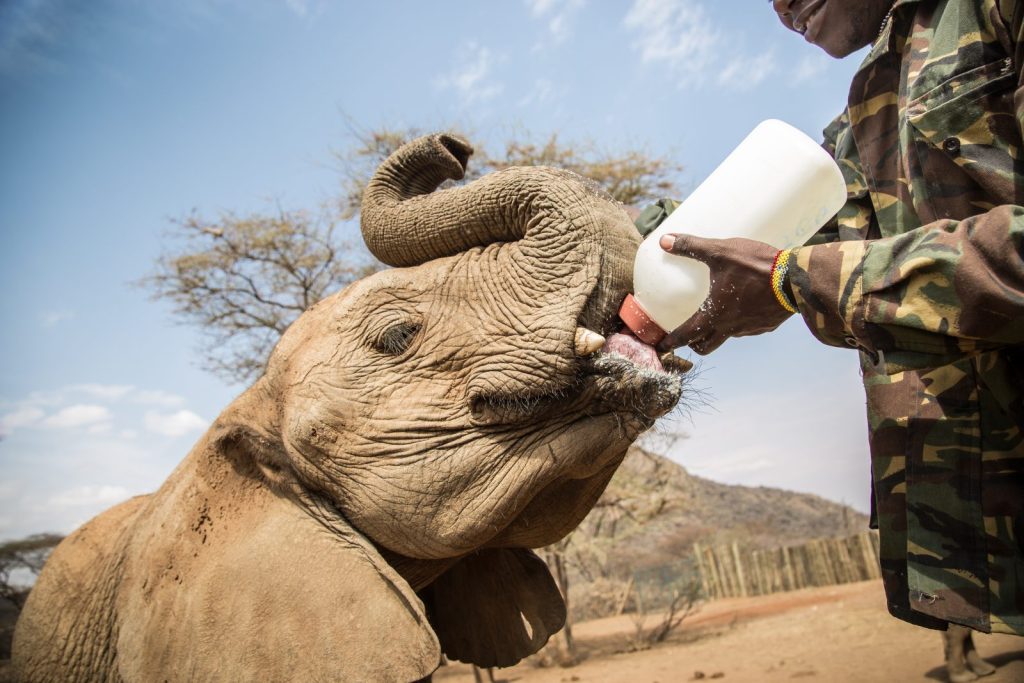
After a leisurely breakfast, transfer to the airstrip for a scenic bush flight south. En route, stop at Reteti Elephant Sanctuary, Africa’s first community-owned elephant orphanage, where rescued calves are rehabilitated before being returned to the wild. Watch the young elephants enjoy their morning milk bottles and mud bath as keepers share each calf’s story. Re-board the plane for the onward flight to Tsavo East, where you’ll be transferred to the stunning Ithumba Hills Camp, a remote Sheldrick Wildlife Trust outpost set amid dramatic scenery in one of Kenya’s wildest and least-visited corners.
Visit the Sheldrick Trust Reintegration Unit
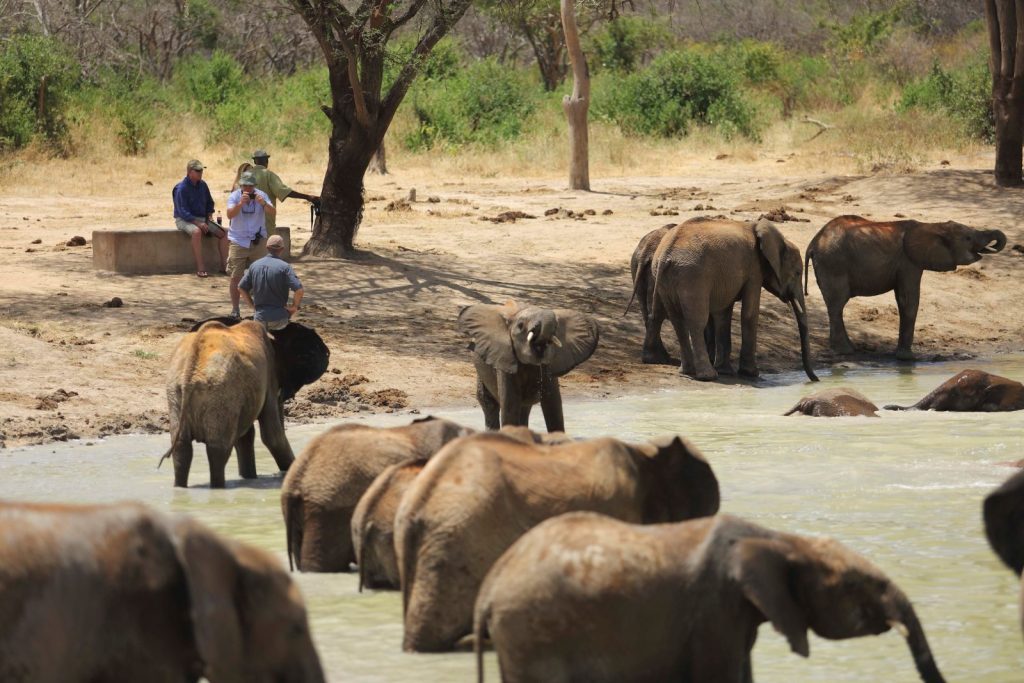
Today brings a rare and deeply moving opportunity to observe older orphaned elephants in the final stages of their journey back to the wild. Watch as they gather for daily milk feeds and mud baths, interacting naturally with wild herds that pass through the area. The Sheldrick Trust’s pioneering reintegration programme offers remarkable insight into elephant behaviour, memory and resilience. Time spent at Ithumba provides an extraordinary window into the bond between the elephants and their dedicated keepers, as well as the patience and care required to successfully return these animals to their natural environment.
Exploring Tsavo East National Park
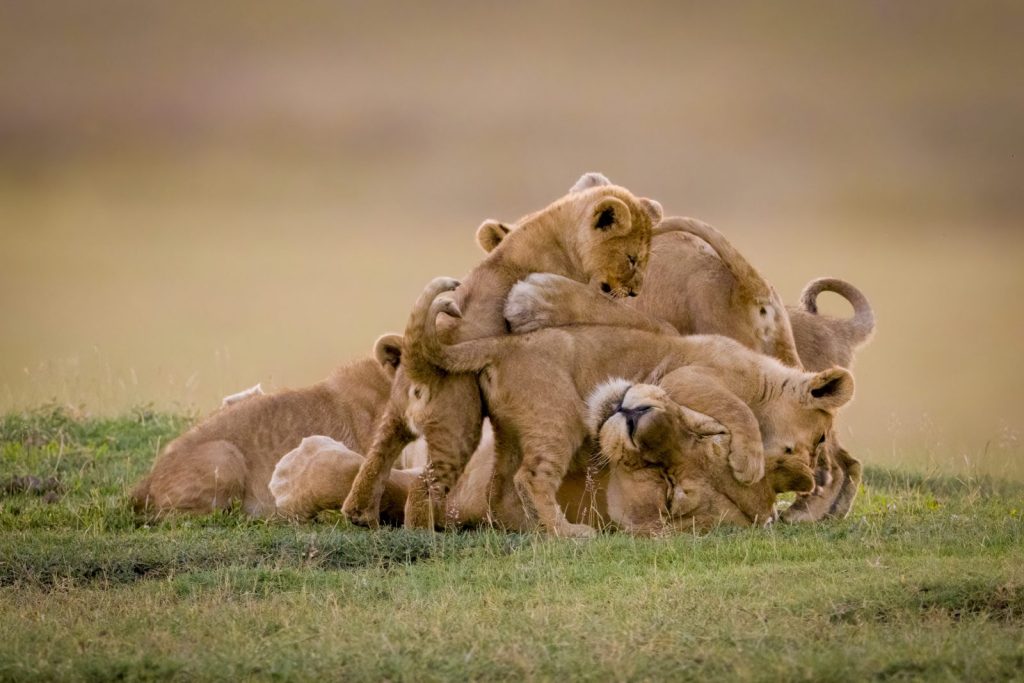
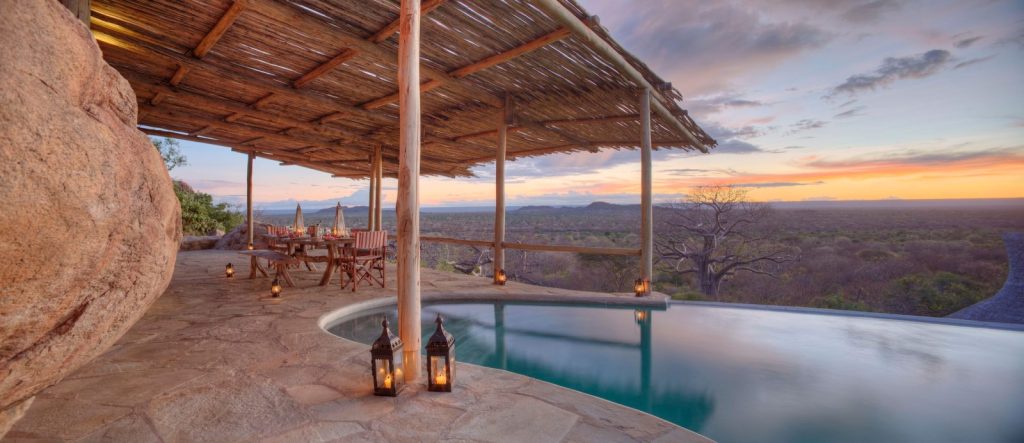
After another morning visit to the elephant orphans’ stockade, spend the day exploring the vast landscapes of Tsavo East National Park. One of Kenya’s largest and most dramatic parks, it is home to lions, giraffes, zebra, buffalo and abundant birdlife, all set against a backdrop of wide open plains and distinctive volcanic hills. The raw, untamed character of Tsavo offers a powerful contrast to the intimacy of the elephant sanctuaries, making for a rich and rewarding final full day on safari. Return to camp as the sun sets over the African bush for a last memorable evening.
Return to Nairobi or Add on a Beach Stay
Enjoy a final breakfast before a relaxed transfer to the airstrip, with time to pause for any last wildlife sightings along the way. Your private charter flight returns you to Wilson Airport in Nairobi, where a short transfer brings you into the city for some last-minute shopping and an early dinner before onward travel. From there, you’ll be transferred to Jomo Kenyatta International Airport for your flight home. Not quite ready to leave? Beach extensions along the Kenyan coast or further safari add-ons can be arranged — please enquire for options and pricing.
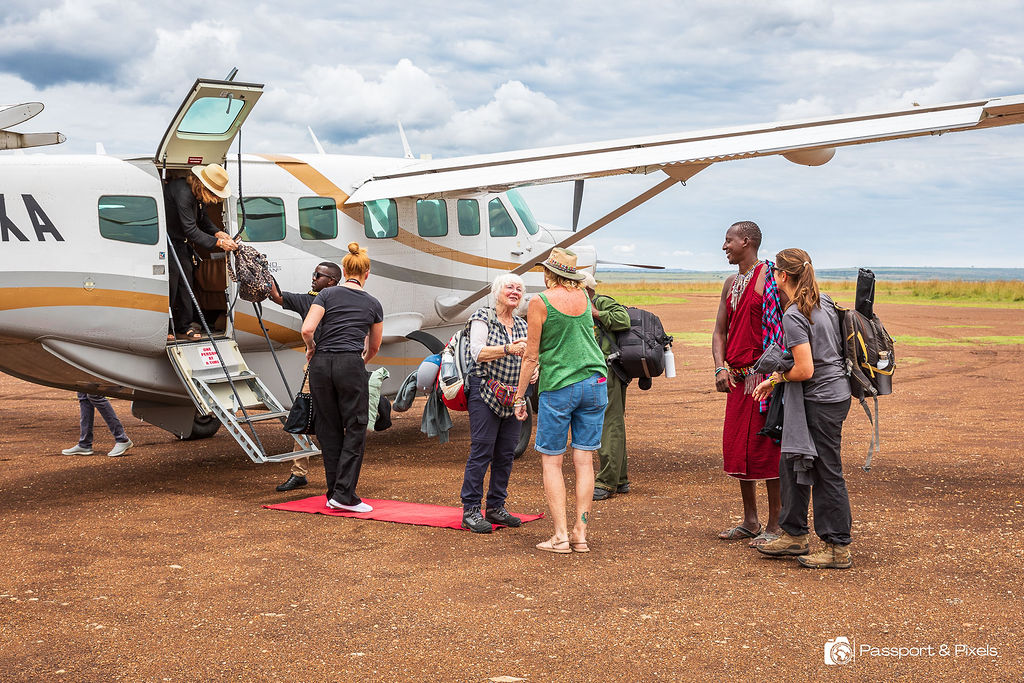
Speak to a Safari Expert...


Other Kenya Itineraries
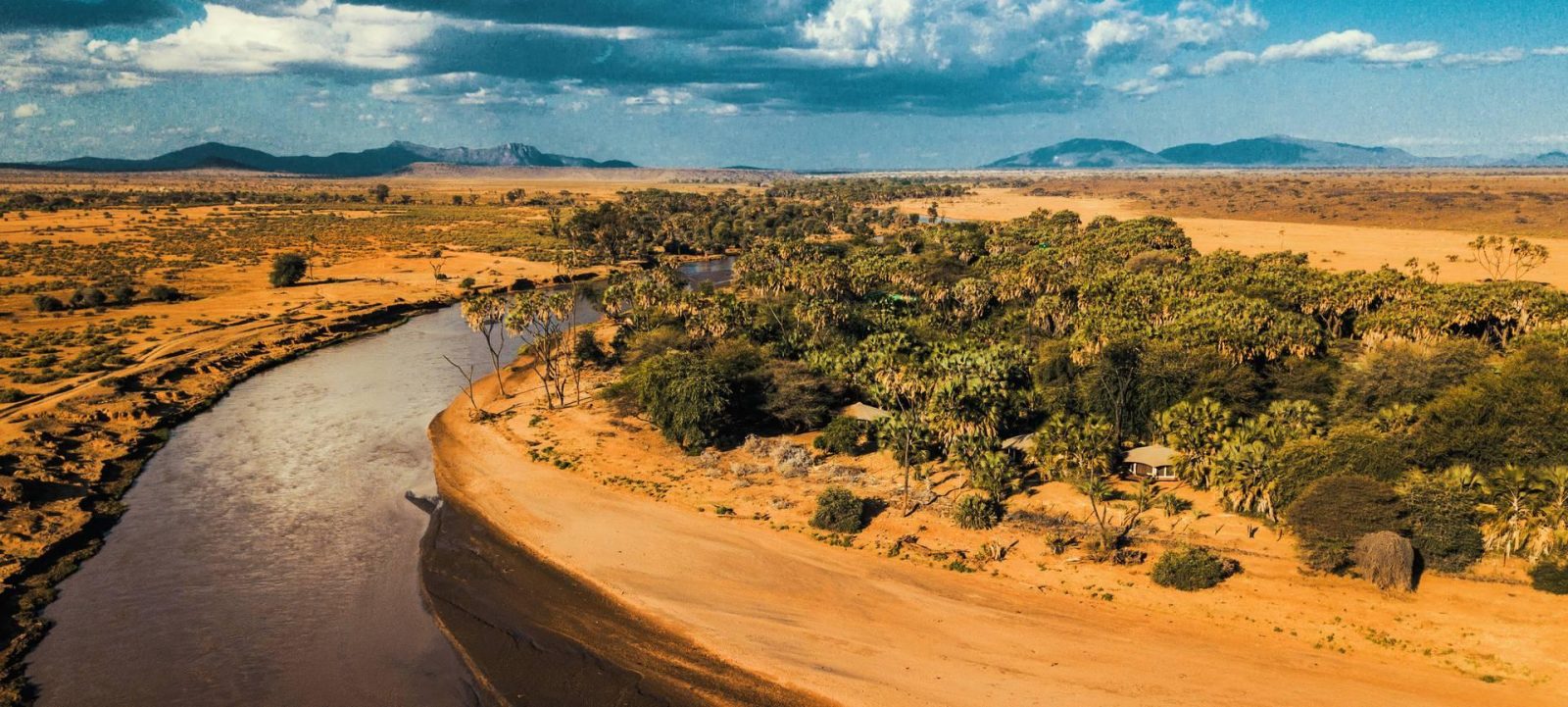

Classic Kenya Safari for wheelchair users
From £4,150per person
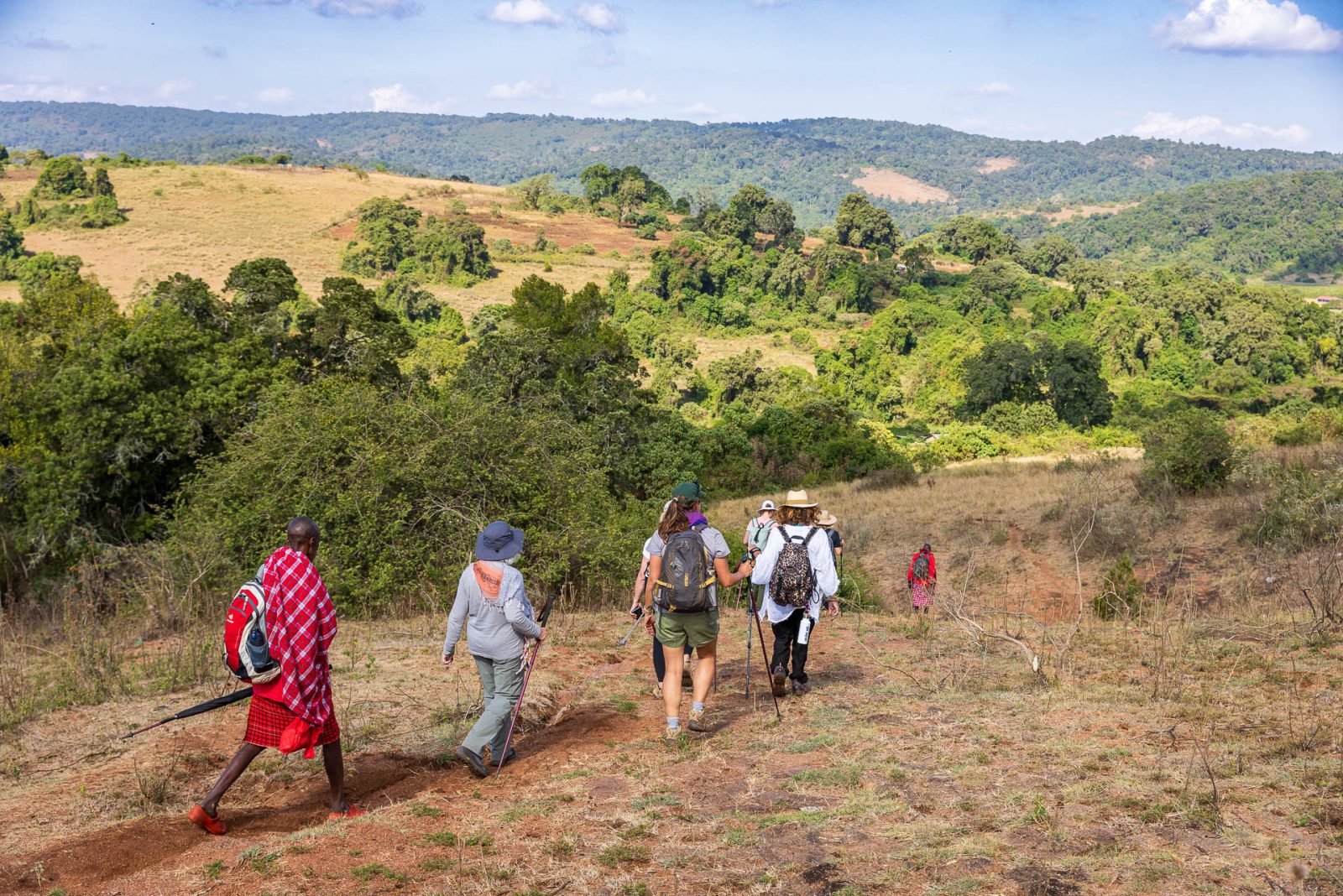
7 night Small Group Walking Safari
£7,850per person

12 Days Family Safari in Kenya
From £6,670per person
Why Book with Us





Frequently Asked Questions
What is included in this Kenya safari itinerary?

This 8-day Kenya safari includes private charter flights between all destinations, accommodation at Tamarind Tree Hotel in Nairobi, Elephant Watch Camp in Samburu, and Ithumba Hills Camp in Tsavo East, plus daily game drives, a visit to Save the Elephants research centre, and experiences at both Reteti Elephant Sanctuary and the Sheldrick Wildlife Trust reintegration unit.
When is the best time to go on a Kenya safari?
Kenya offers excellent safari conditions year-round. The dry seasons (January–March and July–October) are generally considered the best time to visit, as wildlife congregates around water sources and vegetation is thinner, making animals easier to spot. The Samburu and Tsavo regions featured in this itinerary are particularly good during the dry months.
What wildlife can I see in Samburu National Park?
Samburu is famous for its ‘Samburu Special Five’ — species unique to northern Kenya: Grevy’s zebra, reticulated giraffe, Somali ostrich, Beisa oryx, and gerenuk. The reserve is also home to large elephant herds, lions, leopards, crocodiles, and exceptional birdlife along the Ewaso Nyiro River.
What is Save the Elephants and what can I expect on a visit?
Save the Elephants is a world-leading elephant research organisation founded by conservationist Iain Douglas-Hamilton, based in Samburu National Reserve. During a visit, guests learn how scientists track elephants using GPS collar technology, study their behaviour and social structures, and gather data to combat poaching and human-elephant conflict.
What is Reteti Elephant Sanctuary and how is it different from other sanctuaries?
Reteti Elephant Sanctuary is Africa’s first community-owned and community-run elephant orphanage, located in northern Kenya’s Namunyak Wildlife Conservancy. Rescued elephant calves are hand-raised and rehabilitated here before being returned to the wild — making it a pioneering model for conservation that directly benefits local Samburu communities.
What is the Sheldrick Wildlife Trust and what happens at Ithumba?
The Sheldrick Wildlife Trust runs the world’s most successful elephant orphan rescue and rehabilitation programme. Ithumba, in Tsavo East, is a key reintegration site where older orphans take their final steps back to the wild, gradually integrating with wild elephant herds while returning daily for milk feeds — offering guests an incredibly rare and intimate wildlife encounter.
Is this Kenya safari suitable for first-time safari-goers?
Yes. This itinerary is designed to be accessible for first-time visitors to Africa while offering depth and authenticity for seasoned travellers. Private charter flights remove the need for long overland transfers, expert guides are on hand throughout, and the conservation-focused experiences provide meaningful context beyond the game drives.
Can I extend this Kenya safari with a beach holiday?
Absolutely. The Kenyan coast — including destinations such as Diani Beach, Lamu, and Watamu — is easily accessible and makes a natural complement to a safari. Beach extensions can be tailor-made to follow the final day of this itinerary, with private transfers arranged from Nairobi
What airports does this safari use in Kenya?
This itinerary arrives and departs via Jomo Kenyatta International Airport (NBO) in Nairobi. Internal flights operate from Wilson Airport, Nairobi’s dedicated light aircraft hub, connecting to bush airstrips in Samburu and Tsavo East. Wilson Airport is a short transfer from the city.
Explore Related Accommodation


Lolldaiga Hills

Naibosho Mara conservancy

Enonkishu Mara Conservancy