
Where to See Namibia’s Best Wildlife


Namibia is a wildlife lover’s paradise, offering a unique combination of desert-adapted species, abundant national parks, and breathtaking landscapes. From the iconic elephants of Etosha National Park to the desert-adapted lions of Damaraland, each region has its own special highlights. I’ve spent many months in Namibia as a guide and an agent on familiarisation trips. I’ve sweated through the hot summer months and enjoyed the cooler winters. This is my take on where to see wildlife, it’s not an exhaustive list, so please get in touch and I can advise you on all the best spots across Namibia.
This guide breaks down where to see Namibia’s best wildlife, so you can plan your safari with confidence — whether you want close-up animal encounters, birdwatching, or photography in some of Africa’s most dramatic scenery.
Namibia Wildlife – Regional Quick Guide
| Region | Iconic Wildlife | Best Time to Visit | Notes |
|---|---|---|---|
| Etosha National Park | Elephants, lions, rhinos, giraffes | June – Sept | Waterholes concentrate animals; easy self-drive |
| Damaraland | Desert-adapted elephants, black rhinos | May – Sept | Rugged terrain; 4×4 recommended |
| Skeleton Coast | Cape fur seals, jackals, desert-adapted species | May – Oct | Remote, dramatic landscapes |
| Namib Desert / Sossusvlei | Gemsbok (Oryx), Springbok | May – Oct | Scenic dunes; wildlife less dense but photogenic |
| Caprivi / Zambezi Region | Elephants, hippos, crocodiles, birds | Nov – Apr | Lush wetlands; great for birdwatching |
| Waterberg Plateau | Mountain zebra, antelope | May – Sept | Smaller crowds, scenic plateau |
| Fish River Canyon / Southern Namibia | Rare antelope, jackals | May – Sept | Remote; off-the-beaten-path safari |
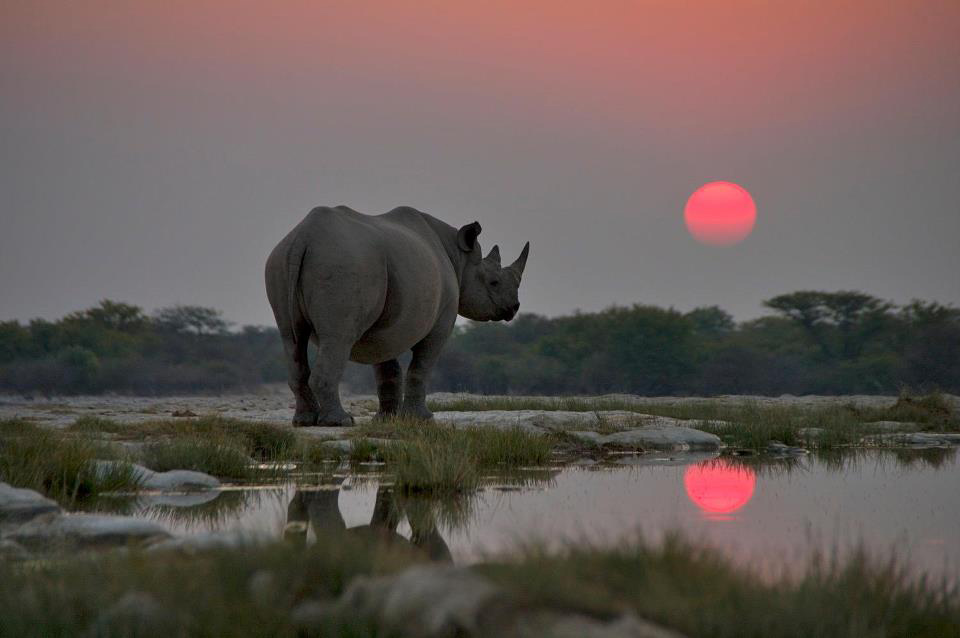
Etosha National Park
Why it’s special: Etosha is Namibia’s flagship wildlife destination, with waterholes that attract large herds of elephants, lions, rhinos, and giraffes, making wildlife spotting almost guaranteed.
Wildlife Highlights:
- African elephants and lions
- Black and white rhinos
- Plains game: springbok, gemsbok, zebra
- Over 340 bird species
Best Time to Visit: June – October (dry season)
Tips:
- Spend a night at Okaukuejo Resort the first night. The service there is average but the wildlife sightings at the waterfall are phenomenal.
- Self drive across the park for a wild experience.
- Carry binoculars for distant waterhole viewing.
Quick Verdict:
| Factor | Rating |
|---|---|
| Wildlife | ★★★★★ |
| Scenery | ★★★★☆ |
| Crowds | High |
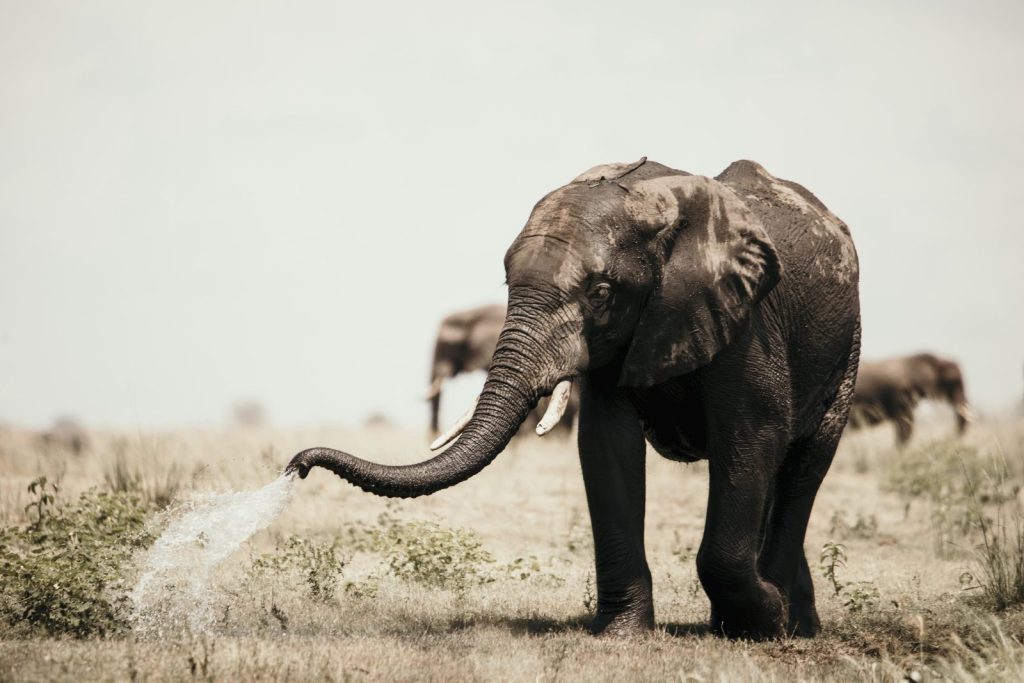
Damaraland
Why it’s special: Damaraland is home to desert-adapted elephants and elusive black rhinos, making it one of the most unique wildlife experiences in Namibia.
Wildlife Highlights:
- Desert-adapted elephants
- Black rhinos
- Oryx, springbok, giraffes
Best Time to Visit: May – September
Tips:
- Hire a guide or join a safari drive; rugged terrain makes self-driving tricky.
- Bring a 4×4 vehicle and plenty of water.
Quick Verdict:
| Factor | Rating |
|---|---|
| Wildlife | ★★★★★ |
| Scenery | ★★★★☆ |
| Crowds | Moderate |
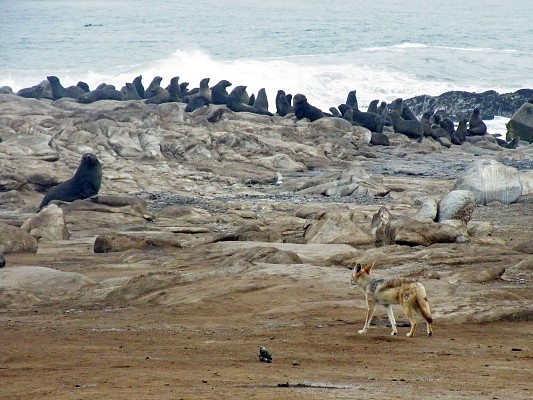
Skeleton Coast
Why it’s special: Famous for its shipwrecks and seal colonies, the Skeleton Coast also has desert-adapted wildlife and offers a remote, cinematic safari experience.
Wildlife Highlights:
- Cape fur seals
- Jackals and brown hyenas
- Rare desert-adapted species
Best Time to Visit: May – October
Tips:
- Guided tours are recommended; the area is remote and road conditions can be challenging.
- Combine with a Damaraland or Namib Desert itinerary.
Quick Verdict:
| Factor | Rating |
|---|---|
| Wildlife | ★★★★☆ |
| Scenery | ★★★★★ |
| Crowds | Low |
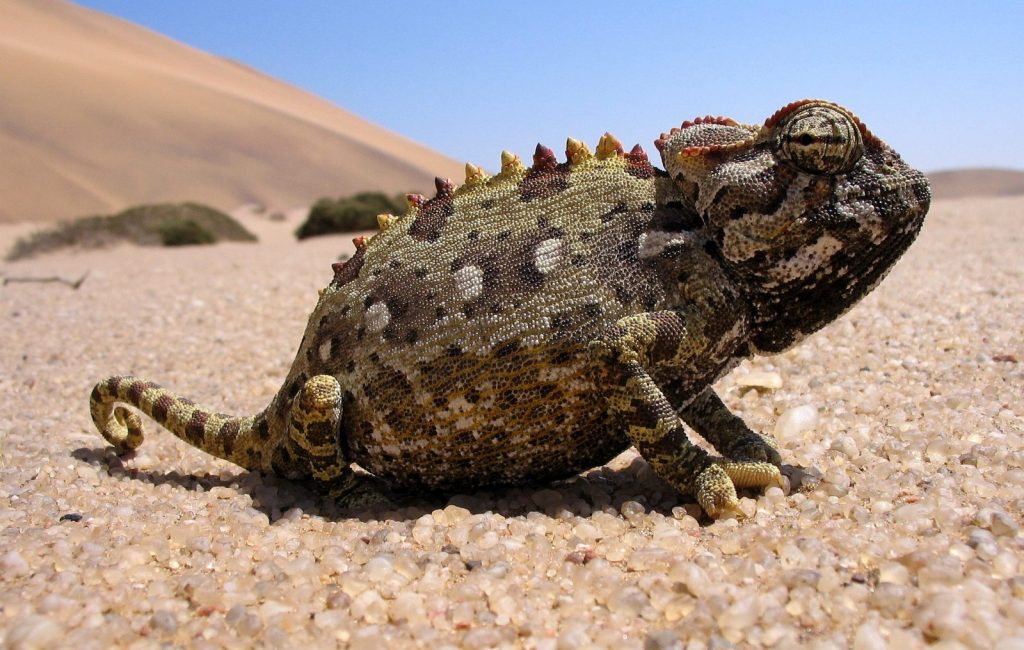
Namib Desert / Sossusvlei
Why it’s special: Iconic red sand dunes are home to gemsbok (oryx), springbok, and other desert-adapted species, offering a photogenic and unique safari experience.
Wildlife Highlights:
- Gemsbok (Oryx)
- Springbok, ostrich
- Occasional predators: jackals, snakes
- Lizards, insects and other reptiles
Best Time to Visit: May – October
Tips:
- Combine wildlife viewing with photography of the dunes at sunrise.
- Short walks and drives; wildlife less dense but very photogenic.
Quick Verdict:
| Factor | Rating |
|---|---|
| Wildlife | ★★★☆☆ |
| Scenery | ★★★★★ |
| Crowds | Moderate |
Caprivi / Zambezi Region
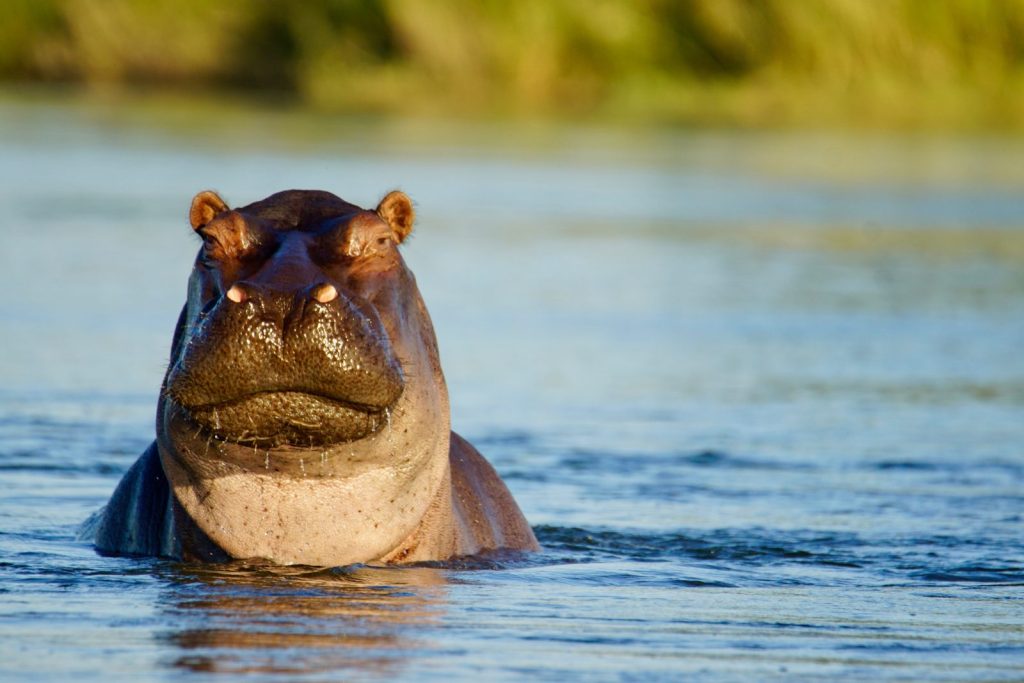
Why it’s special: A wetland safari paradise, offering lush landscapes, abundant elephants, hippos, crocodiles, and over 400 bird species.
Wildlife Highlights:
- Elephants, hippos, crocodiles
- Rich birdlife
- Antelope species along rivers
Best Time to Visit: November – April
Tips:
- Best visited in the wet season; guided boat safaris are highly recommended.
- Combine with Chobe or Victoria Falls if extending your safari.
Quick Verdict:
| Factor | Rating |
|---|---|
| Wildlife | ★★★★★ |
| Scenery | ★★★★★ |
| Crowds | Low |
Waterberg Plateau
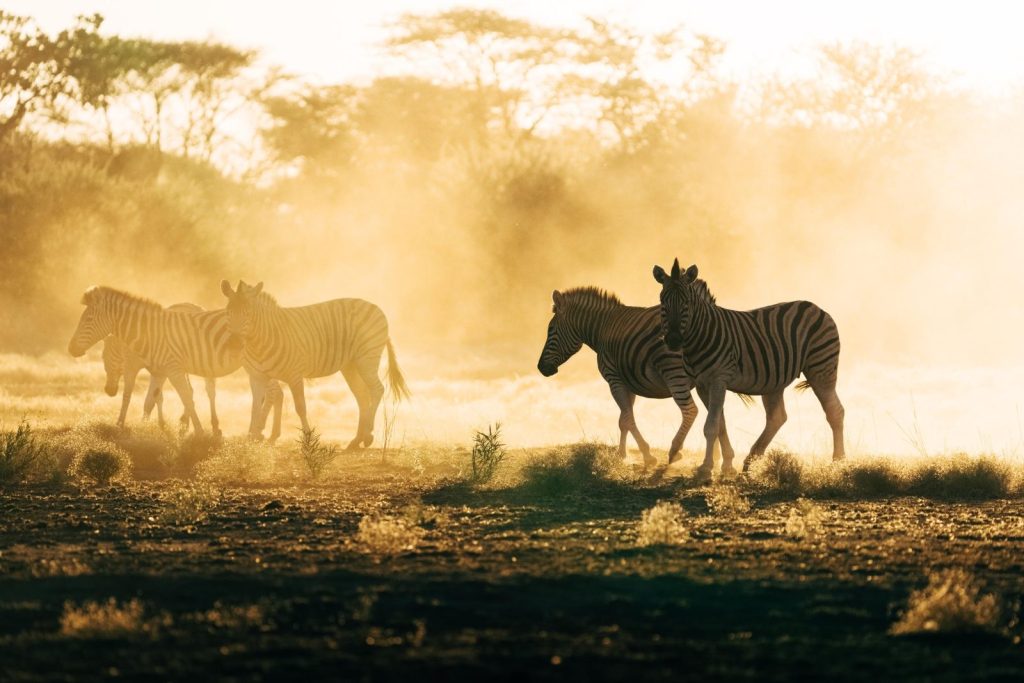
Why it’s special: Offers mountain landscapes with antelope and mountain zebra, plus smaller crowds than the big parks.
Wildlife Highlights:
- Mountain zebra
- Eland, kudu, and other antelope
Best Time to Visit: May – September
Tips:
- Excellent for hiking combined with wildlife viewing.
- Accessible by road; good for families.
Quick Verdict:
| Factor | Rating |
|---|---|
| Wildlife | ★★★☆☆ |
| Scenery | ★★★★☆ |
| Crowds | Low |
Fish River Canyon / Southern Namibia
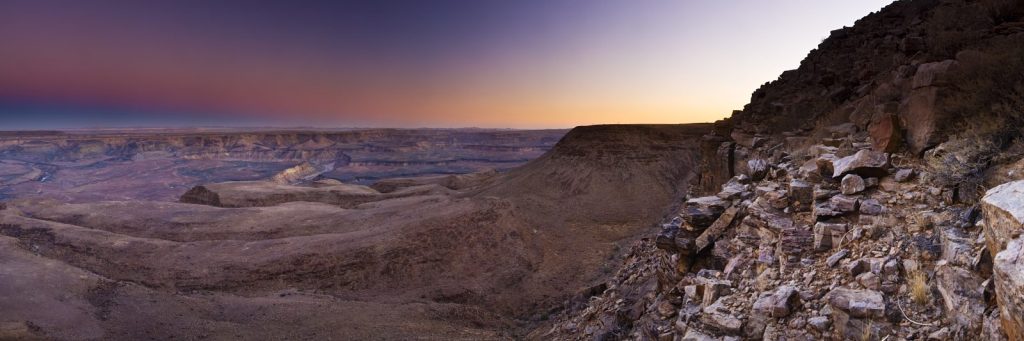
Why it’s special: Remote safari with rare antelope and rugged desert landscapes.
Wildlife Highlights:
- Rare antelope species
- Jackals
- Occasional predators
Best Time to Visit: May – September
Tips:
- Combine with a Namib Desert itinerary.
- Self-drive possible but 4×4 recommended.
Image Block:
Quick Verdict:
| Factor | Rating |
|---|---|
| Wildlife | ★★★☆☆ |
| Scenery | ★★★★★ |
| Crowds | Low |
Tips for Seeing Namibia’s Wildlife
- Early morning and late afternoon drives are best for spotting animals.
- Dry season (May – September) concentrates wildlife at waterholes — perfect for photography.
- Bring binoculars, sun protection, and water.
- Guided safaris often give better access to elusive species, especially in Damaraland and Skeleton Coast.
- Self Drive trips give you great flexibility in combination with some guided safaris.
Jonny May
Founder
Wild Paths
About the Author:
Wild Paths was founded by me, Jonny May, a passionate Africa specialist with a deep-rooted desire to transform the travel industry. For the past 15 years, I’ve been fortunate enough to travel extensively across Africa. I’ve driven from Cape Town to Cairo, traversed the Sahara while leading camping safaris, and stayed in everything from community huts to the most exclusive private houses on the continent.

More From The Blog
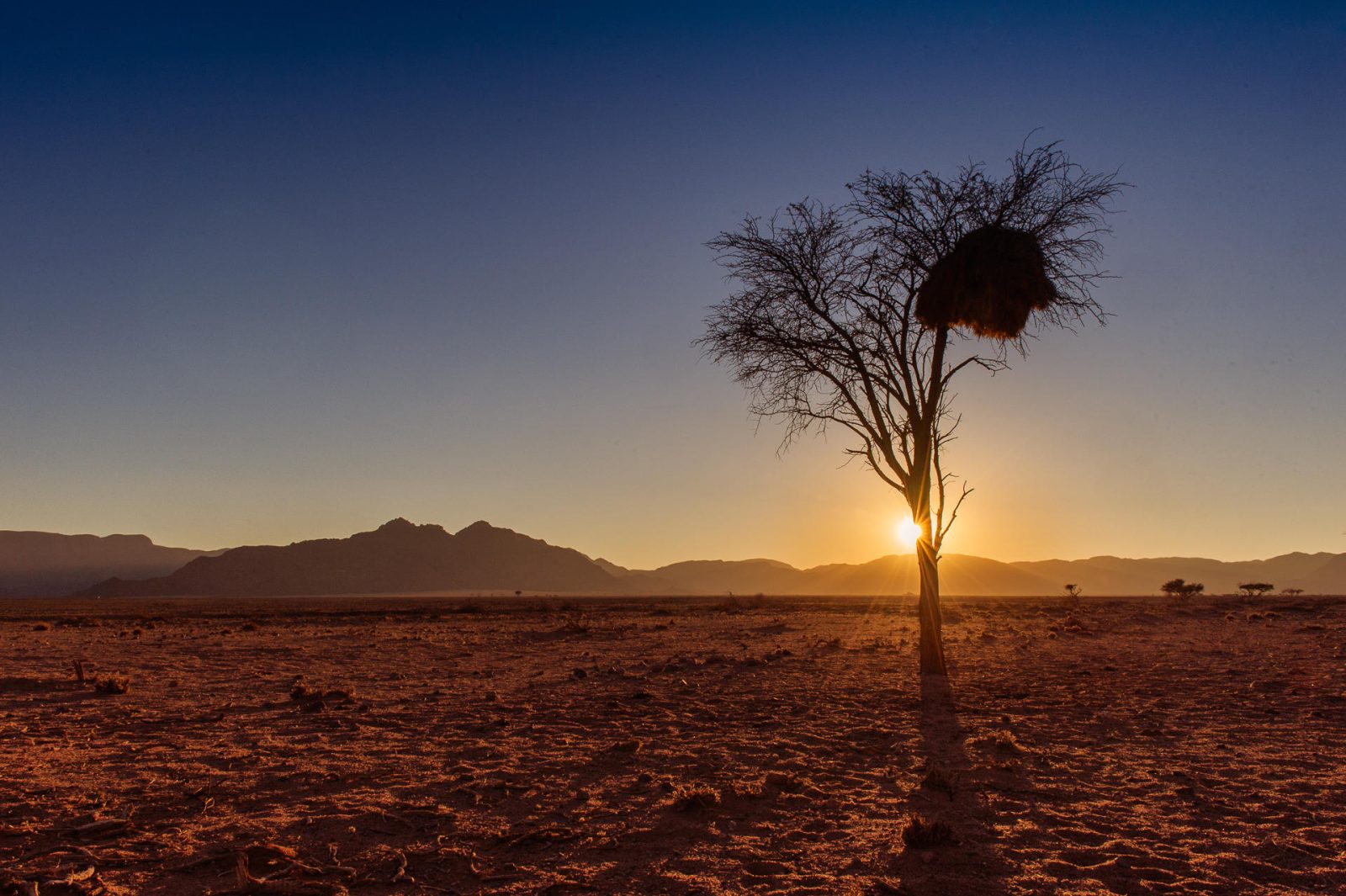
The Complete Namibia Self-Drive Guide
The Complete Namibia Self-Drive Guide Everything you need to plan a self-drive safari in Namibia | Wild Paths Namibia is one of the world's great...
African Safari Packing List
I've driven from Cape Town to Cairo, crossed the Sahara, and slept in everything from remote community huts to private tented camps deep in the Okavango...

Best Time to Visit Namibia
Month by Month Safari Guide Namibia is one of Africa’s most spectacular safari destinations, offering dramatic desert landscapes, abundant wildlife, and...